
Pripyat (river)
A lowland river of Eastern Europe that crosses Ukraine and Belarus into the Dnieper, known for its extensive marshes, ecological importance, and contamination from the Chernobyl accident.
Overview
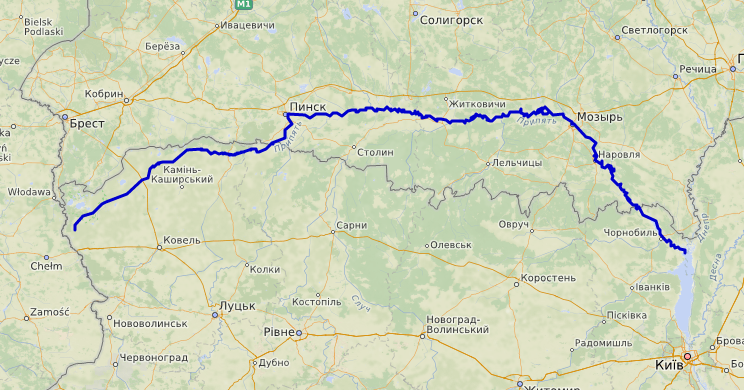
The Pripyat (Prypiat) is a slow, meandering river of Eastern Europe that flows roughly eastward through parts of Ukraine and Belarus before joining the Dnieper. It is commonly cited as about 710 km long and drains a broad lowland basin dominated by peatlands and floodplain forests. The river and its basin form a significant element of the larger Dnieper watershed and have long influenced settlement, transport and ecosystems in the region. Eastern Europe contains the main reaches of the river.
Image gallery
5 Images

Course and physical characteristics
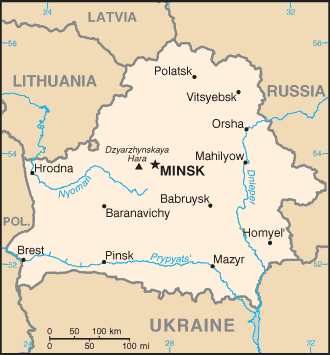
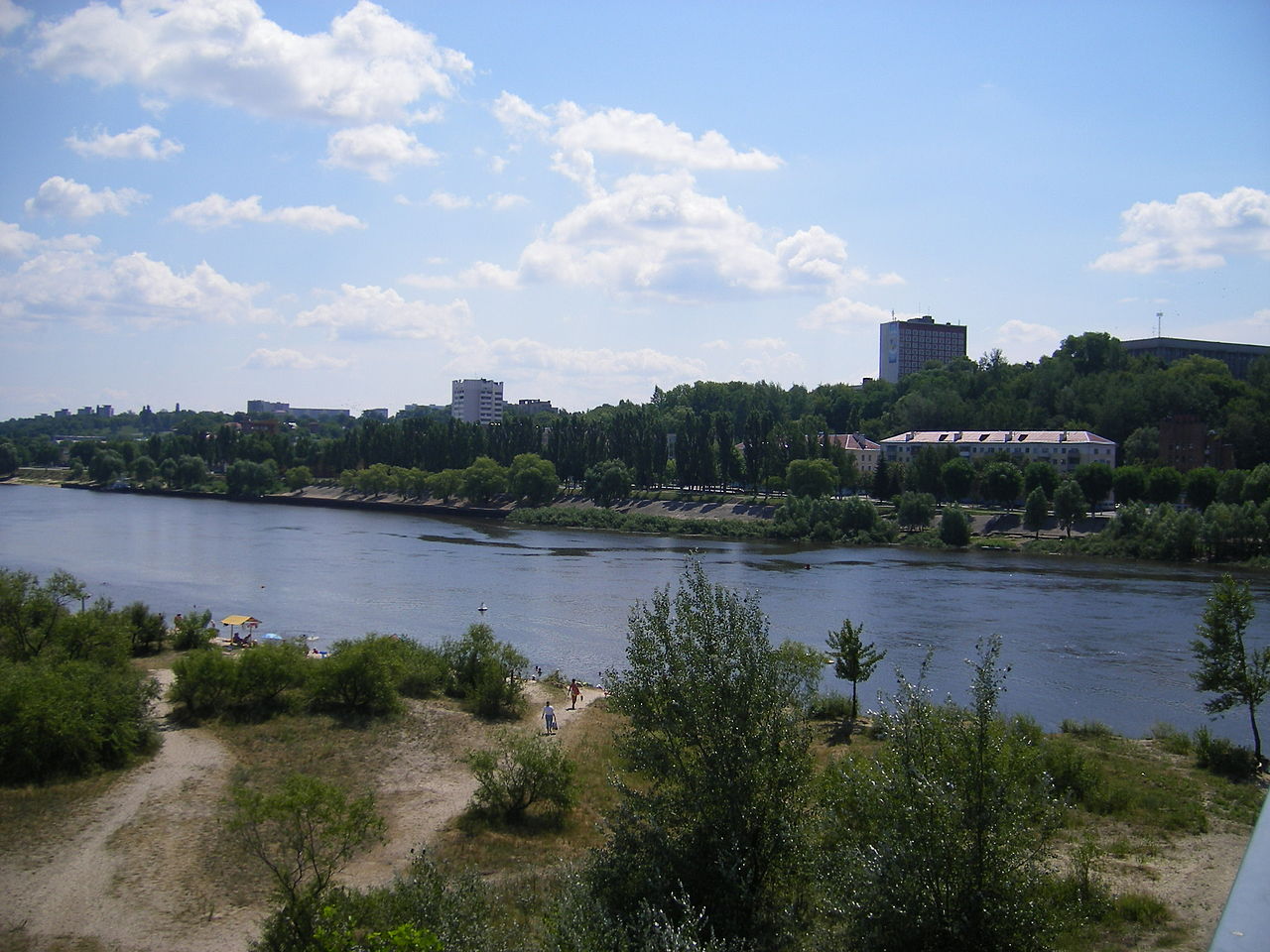
The Pripyat rises in the uplands of northwestern Ukraine and traverses a flat, marshy territory often referred to as Polesia or the Pripyat Marshes. Its gentle gradient produces wide floodplains that swell in spring and after heavy rains. The river flows through and between national territories: stretches run in Ukraine, cross into Belarus, and return to Ukraine before meeting the Dnieper. Numerous small tributaries feed the Pripyat, and the river supports wetlands that act as natural water regulators and carbon sinks.
Ecology and human use
The Pripyat basin supports wetland habitats important for birds, fish and amphibians, and historically supplied local communities with fish, reed materials and fertile floodplain soils. Navigation was possible on some stretches for small craft, and seasonal flooding shaped agricultural patterns. Large tracts of the surrounding marshland remain relatively undeveloped, making the area notable for its biodiversity and peat ecosystems.
Chernobyl, contamination and monitoring
The lower Pripyat flows through the area surrounding the Chernobyl nuclear power plant and the associated exclusion zone established after the 1986 accident. The river and its sediments were exposed to radioactive fallout and continue to be an object of environmental study. Scientists and authorities monitor a range of radioactive contaminants, including radioactive contaminants and specific isotopes such as caesium-137, to assess long-term distribution in water, soils and biota. The city of Prypiat was evacuated after the Chernobyl incident that is commonly referred to as the 1986 disaster.
Notable facts and distinctions
- The river is the chief artery of the Pripyat Marshes, one of the largest wetland complexes in Europe.
- Its slow flow and wide floodplain make it vulnerable to seasonal flooding but valuable for groundwater recharge and peat formation.
- Long-term radiological impacts concentrate in sediments and floodplain soils; remediation and monitoring remain ongoing tasks.
Further reading
Researchers consult hydrological surveys, conservation assessments and long-term environmental monitoring reports to follow changes in the Pripyat’s flow regime, wetland health and contamination levels. For regional context see general resources on Eastern European rivers and wetland conservation. Regional overview and specific national pages for Ukraine and Belarus provide additional background.
Related articles
Author
AlegsaOnline.com Pripyat (river) Leandro Alegsa
URL: https://en.alegsaonline.com/art/79251