
Province of A Coruña
A Coruña is the northwestern, Atlantic-facing province of Galicia in Spain, noted for its rugged coastline, historic ports, Galician culture, and the pilgrimage city of Santiago de Compostela.
Overview
The Province of A Coruña (Galician: A Coruña; Spanish: La Coruña; historically known in English as Corunna) occupies the most northwestern, Atlantic-facing corner of Spain. It is one of four provinces in the autonomous community of Galicia, and combines a long maritime tradition with inland agricultural and cultural life. Its position on the Iberian Peninsula gives it a strong Atlantic climate and distinctive coastal character (northwestern, Atlantic-facing).
Image gallery
1 Image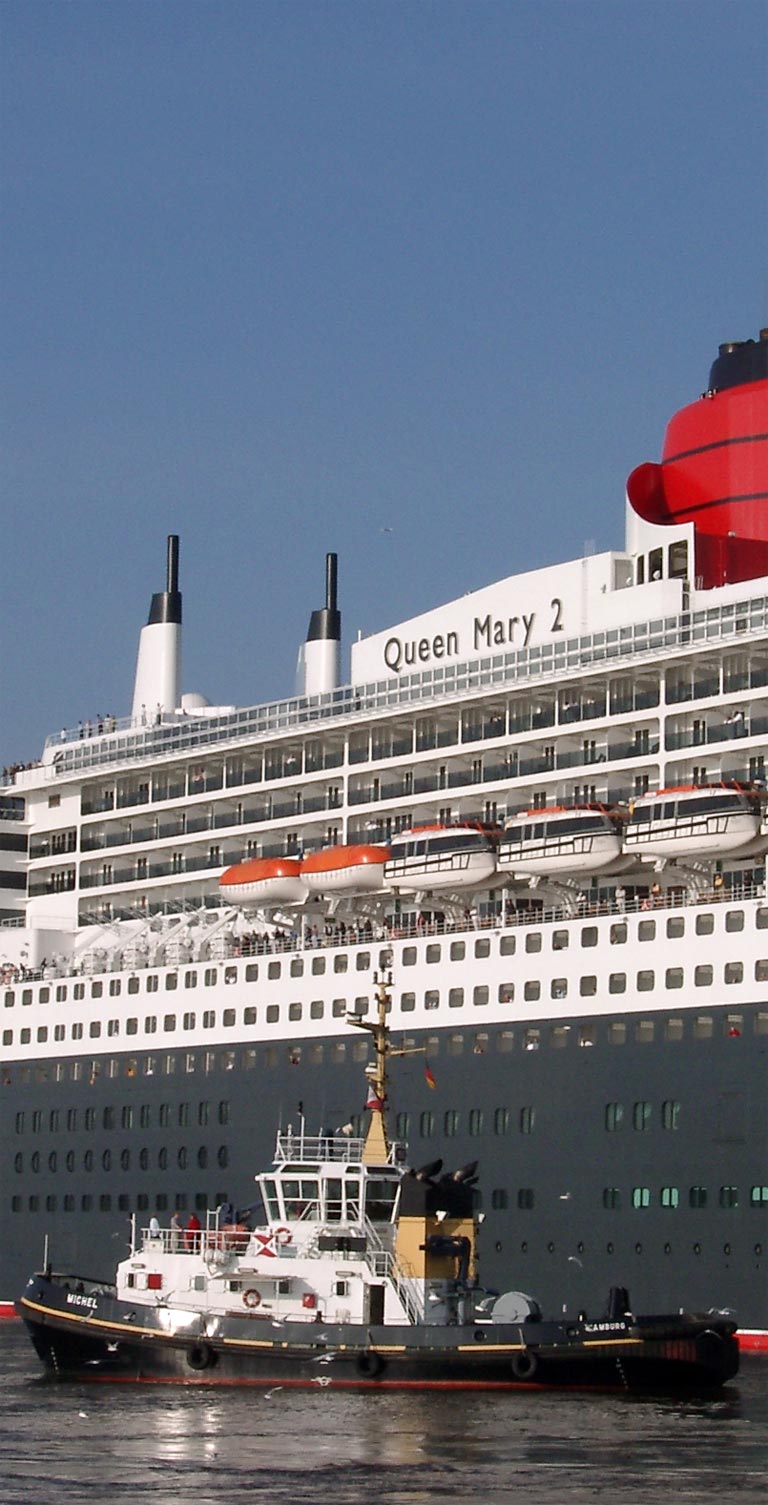
Geography and borders
The province is bounded by the Atlantic Ocean to the west (west) and north (north), with a deeply indented coastline of rías, headlands and sandy beaches. To the south it meets the Province of Pontevedra, while to the east it borders the Province of Lugo. The landscape includes coastal cliffs, estuaries, low mountains and fertile valleys that support diverse habitats and traditional agriculture.
History and development
Human presence in the area dates back to prehistoric times, and the province later became part of Roman and medieval trade networks. Throughout history, its ports and shipyards have been important for fishing, naval activity and commerce. The city of A Coruña and nearby towns developed as commercial and military harbors; the region also has a strong connection to maritime exploration and Atlantic trade.
Economy, settlements and culture
Economic activity in the province mixes maritime industries (fishing, shipbuilding, ports) with agriculture, forestry and tourism. A prominent cultural feature is the Galician language and music, including Celtic-influenced traditions. Major cities and towns include:
- A Coruña (provincial and maritime center)
- Santiago de Compostela (historic pilgrimage and regional capital)
- Ferrol (naval shipbuilding and port)
- Betanzos and smaller coastal, estuarine communities
Attractions and notable facts
The province contains notable landmarks such as Romanesque and baroque churches, medieval urban cores and the ancient Tower of Hercules lighthouse. It is also the destination of the Camino de Santiago pilgrimage, which culminates in Santiago de Compostela and brings cultural and religious visitors from around the world. The coastal rías are valued for seafood, scenic drives and biodiversity, and local festivals celebrate Galician language, cuisine and music.
Practical notes
Travelers reach the province by road, rail and air; maritime links remain important for fishing and commerce. Visitors are encouraged to explore both the coast and inland towns to appreciate the combination of seafaring heritage, historic architecture and living Galician traditions.
For administrative and geographic context see Galicia, for maritime geography see the Atlantic, and for regional relations consult links for Pontevedra and Lugo. Additional resources: Spanish name and references, regional position, western coast, northern coast, and general country context at Spain.
Related articles
Author
AlegsaOnline.com Province of A Coruña Leandro Alegsa
URL: https://en.alegsaonline.com/art/79571
Sources
- en.wikisource.org : "Corunna (province)"
- commons.wikimedia.org : Province of A Coruña