
Provence: geography, history, culture and economy of southeastern France
Provence is a historic region of southeastern France known for its Mediterranean climate, varied landscapes, Roman heritage, Provençal culture, lavender and olive agriculture, and the port city Marseille.
Overview
Provence is a traditional region in southern France that occupies much of the Mediterranean-facing territory between the mouth of the Rhône and the Italian border. It forms the principal portion of the modern administrative region Provence-Alpes-Côte d'Azur. The area mixes coastal cities, rolling plains, vineyards and the lower Alps, and it has been a crossroads of Mediterranean cultures for millennia.
Image gallery
10 Images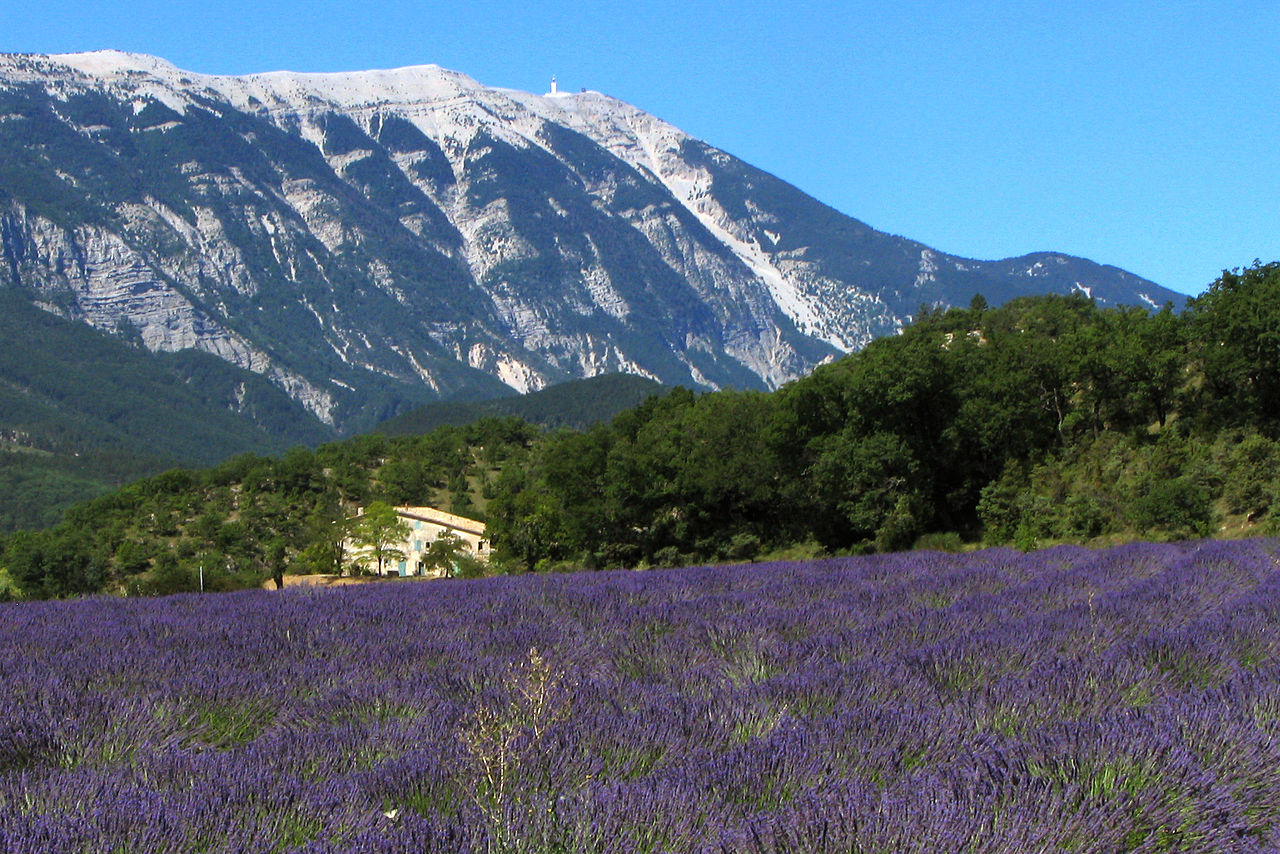


Geography and landscape
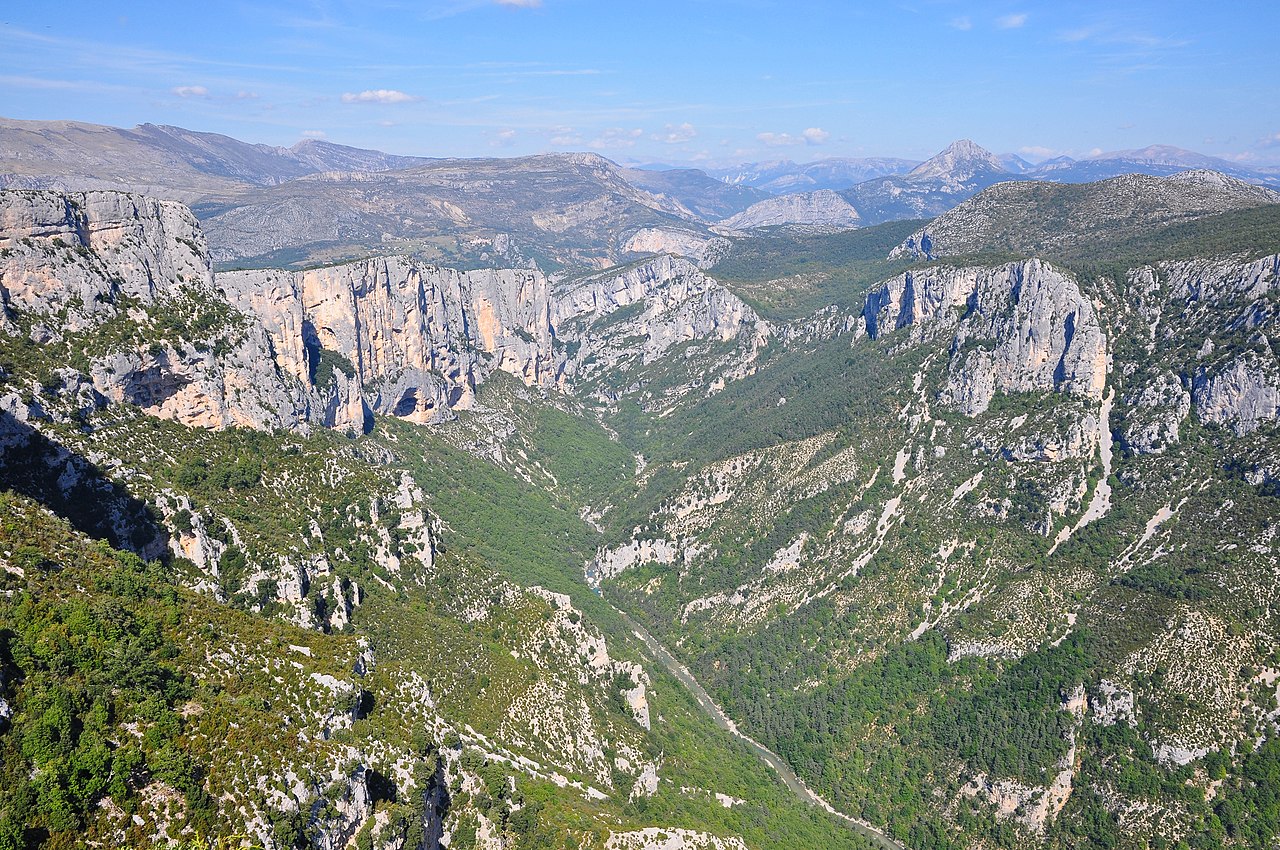
The western limit is commonly taken as the Rhône River and the eastern reaches extend to the frontier with Italy. Provence includes a long Mediterranean coastline with bays and promontories, limestone plateaux and gorges, and upland terrain that rises toward alpine foothills. The region's climate is predominantly Mediterranean, with hot, dry summers and mild, wet winters, though elevation and inland distance create local variations.
History and development
Settled in prehistoric times and later colonized by Greeks and Romans, Provence has a layered history visible in towns, roads and ruins. Cities such as Arles and Aix-en-Provence preserve Roman monuments and medieval architecture. In the later Middle Ages the area was distinct as a county and experienced international connections, including the 14th-century papal presence in Avignon. Over centuries Provence became integrated into the French kingdom while keeping strong regional traditions.
Culture, agriculture and economy
Provençal identity rests on language, cuisine and crafts. The Occitan dialect historically spoken here underlies folk songs and place names. Agriculture emphasizes olives, grapes for wine, lavender for perfume and honey, and market gardening near the coast. Tourism is a major economic factor: visitors come for beaches, historic sites, festivals and gastronomy, while Marseille's port remains an active commercial and cultural hub (Marseille).
Cities, administration and transport
Important urban centers include historical capitals and modern prefectures. Former seats of power are Arles, Aix-en-Provence and Avignon, while today administrative and departmental centers include Marseille, Digne-les-Bains, Gap, Nice and Toulon. The region is connected by road, rail and a number of airports serving both domestic and international travel.
Notable facts and distinctions
- Provence has inspired artists from the Impressionists to modern painters, attracted by its light and landscapes.
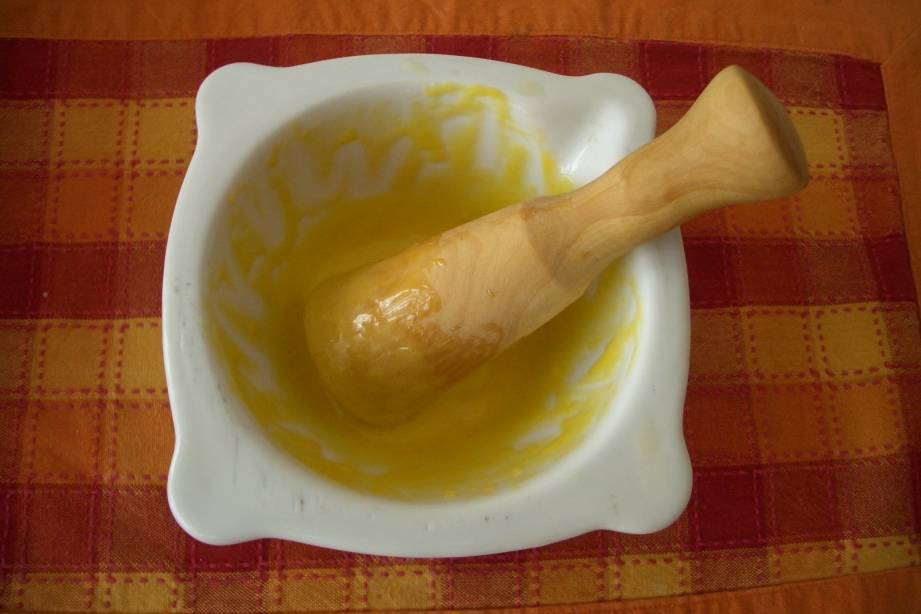
- Local cuisine favors olive oil, herbs (herbes de Provence), seafood along the coast and hearty mountain dishes inland.
- Traditional festivals, markets and crafts keep strong links to regional history while contemporary industries—tourism, perfumery and shipping—shape the economy.
For further reading on specific sites, cultural practices and administrative arrangements, consult regional guides and histories that treat Provençal language, Roman remains and modern development in more detail.
Related articles
Author
AlegsaOnline.com Provence: geography, history, culture and economy of southeastern France Leandro Alegsa
URL: https://en.alegsaonline.com/art/79561