
Chernobyl: city, nuclear disaster, exclusion zone, and legacy
Chernobyl (Chornobyl) is a Ukrainian city near the Belarus border best known for the 1986 nuclear accident; its damaged reactor, exclusion zone, environmental and social consequences remain internationally significant.
Overview
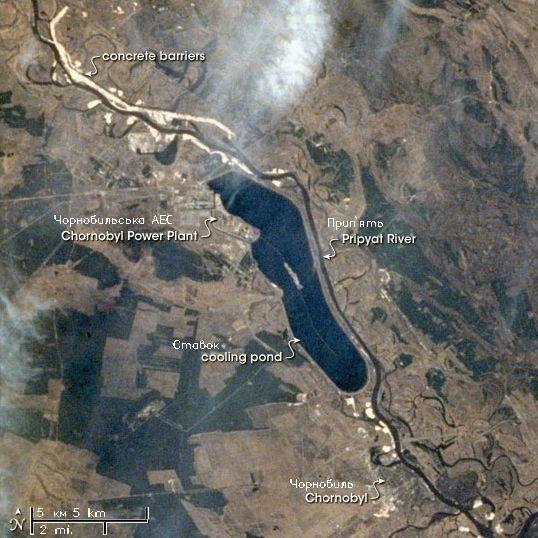
Chernobyl (Ukrainian: Чорнобиль) is a small city in northern Ukraine, close to the border with Belarus. Historically a local trading centre, it occupies a place in modern history because of the catastrophic accident at the nearby nuclear power plant. The city lies roughly 14–15 kilometres south-southeast of the reactor complex and serves as a geographic reference point for the surrounding exclusion zone.
Image gallery
9 Images


Geography, infrastructure, and earlier history
Chernobyl grew as a regional market town and communications node, especially during the 18th and 19th centuries when river and overland routes shaped commerce in the region. Its location on the Pripyat river valley placed it near fertile lands and strategic routes. Until the mid-20th century it remained a modest urban centre; industrial developments later altered the economy and population patterns in the area.
The 1986 accident and immediate effects
On 26 April 1986 a reactor at the nearby Chernobyl Nuclear Power Plant experienced a severe accident that destroyed one reactor unit. The event released a large quantity of radioactive material into the air; clouds of contaminated dust and gases spread over wide areas to the north and west. The accident—often referred to as the Chernobyl disaster—prompted rapid emergency operations, large-scale evacuations and the creation of a controlled exclusion area. In the weeks after the blast, authorities evacuated tens of thousands of residents from the nearby city of Pripyat and surrounding settlements, and over 100,000 people were later relocated from contaminated zones.
Containment, cleanup and long-term management
In the years that followed, Soviet and then Ukrainian efforts focused on containing the damaged reactor, limiting further releases, and managing contaminated land. Early measures included burial and encasement of radioactive debris; a concrete-and-steel structure called the "sarcophagus" was erected around the destroyed unit. That structure was later covered by a larger engineered arch to improve containment and allow safe dismantling work. Cleanup operations involved plant workers, emergency responders and thousands of remediation personnel. The phrase "radioactive particles" and other forms of contamination became central concerns for health monitoring and environmental remediation strategies; for further technical descriptions see radioactive particles.
Exclusion zone, population and ecology
Authorities established an exclusion zone centred on the plant to restrict access and reduce exposure; the commonly referenced area stretches to roughly a 30-kilometre radius though exact boundaries are defined administratively. Within this zone, many towns and villages were abandoned and buildings fell into disrepair. A small number of former residents—mostly elderly—later returned to live in some settlements, while a permanent contingent of workers, scientists and guards continued to manage installations and monitor radiation levels. Over decades, researchers have documented complex ecological responses: some species declined, others recovered in the absence of intensive human activity. Wildlife, including large mammals and birds, has been observed recolonising parts of the zone, though scientific assessment of long-term genetic and population effects remains active and sometimes contested.
Legacy, memory and more recent events
Chernobyl became a symbol of nuclear risk, prompting changes in reactor safety, international cooperation on emergency preparedness, and public debate about nuclear energy. The site attracts researchers, journalists and guided visitors under controlled conditions; management emphasizes safety protocols and monitoring. In the wider cultural memory it appears in literature, film and public commemoration. In 2022, during the large-scale military invasion of Ukraine, forces occupied the plant area and surrounding territory for a period, raising renewed concerns about safety and access. Governance, scientific oversight and heritage work continue to shape how Chernobyl is maintained and remembered.
Key points
- Location: Northern Ukraine near the Belarus border and the Pripyat river.
- Major event: Reactor explosion on 26 April 1986 with wide environmental and social consequences; see the disaster.
- Management: Exclusion zone, containment structures and long-term remediation efforts at the power plant site.
- Social impact: Large evacuations, lasting displacement and a small number of returnees who remained despite contamination concerns; historical trade ties are noted in earlier eras (trade history).
- Research and monitoring: Ongoing studies of health, ecology and radiological safety; resources provide technical context (city information).
For historical place names and local terminology see Ukrainian sources; for general background on the region consult overviews of Ukraine and neighbouring Belarus. Further technical material and archival records are available through specialized repositories and scientific publications (radiation studies, plant reports).
Related articles
Author
AlegsaOnline.com Chernobyl: city, nuclear disaster, exclusion zone, and legacy Leandro Alegsa
URL: https://en.alegsaonline.com/art/19274