
Province of Alessandria
Administrative province in southeastern Piedmont, Italy, with plains and Monferrato hills, known for historic towns (Alessandria, Casale Monferrato, Novi Ligure), wines such as Gavi and Barbera, and mixed agriculture.
Overview: The Province of Alessandria is an administrative area in the southeastern part of the Piedmont region of Italy. Its capital is the city of Alessandria. The territory links the flat Po plain with hilly and upland zones and includes rural landscapes, industrial towns and important cultural sites.
Image gallery
10 Images






Geography and environment
The province comprises river valleys, agricultural plain and the vine-covered hills of Monferrato. Principal waterways include the Tanaro and the Bormida, which drain toward the Po basin. The varied terrain supports mixed farming, vineyards and patches of woodland. Parts of the Monferrato hills are included in the UNESCO World Heritage area known for the Vineyard Landscape of Piedmont, noted for its cultural and scenic value.
History and settlements
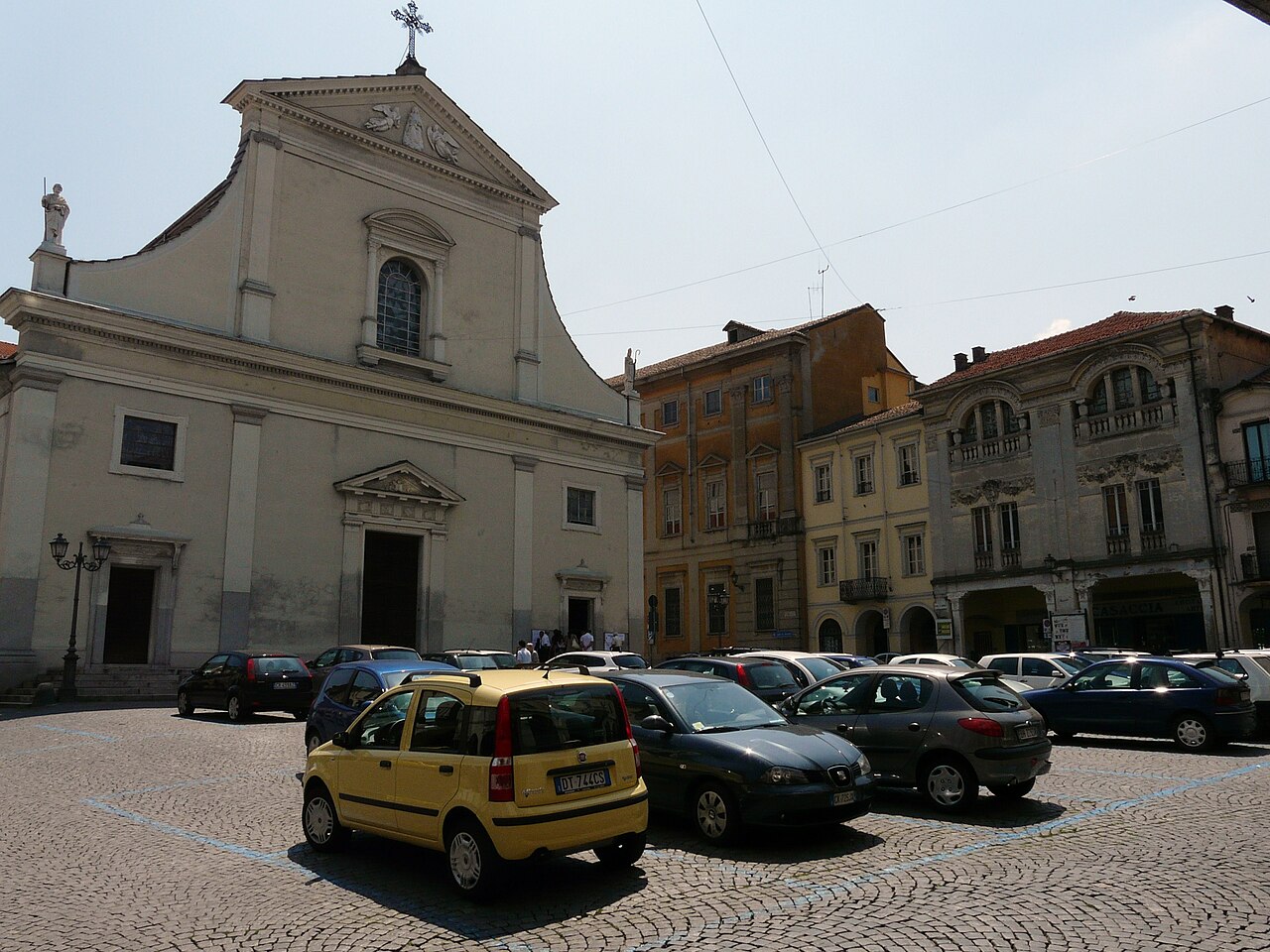
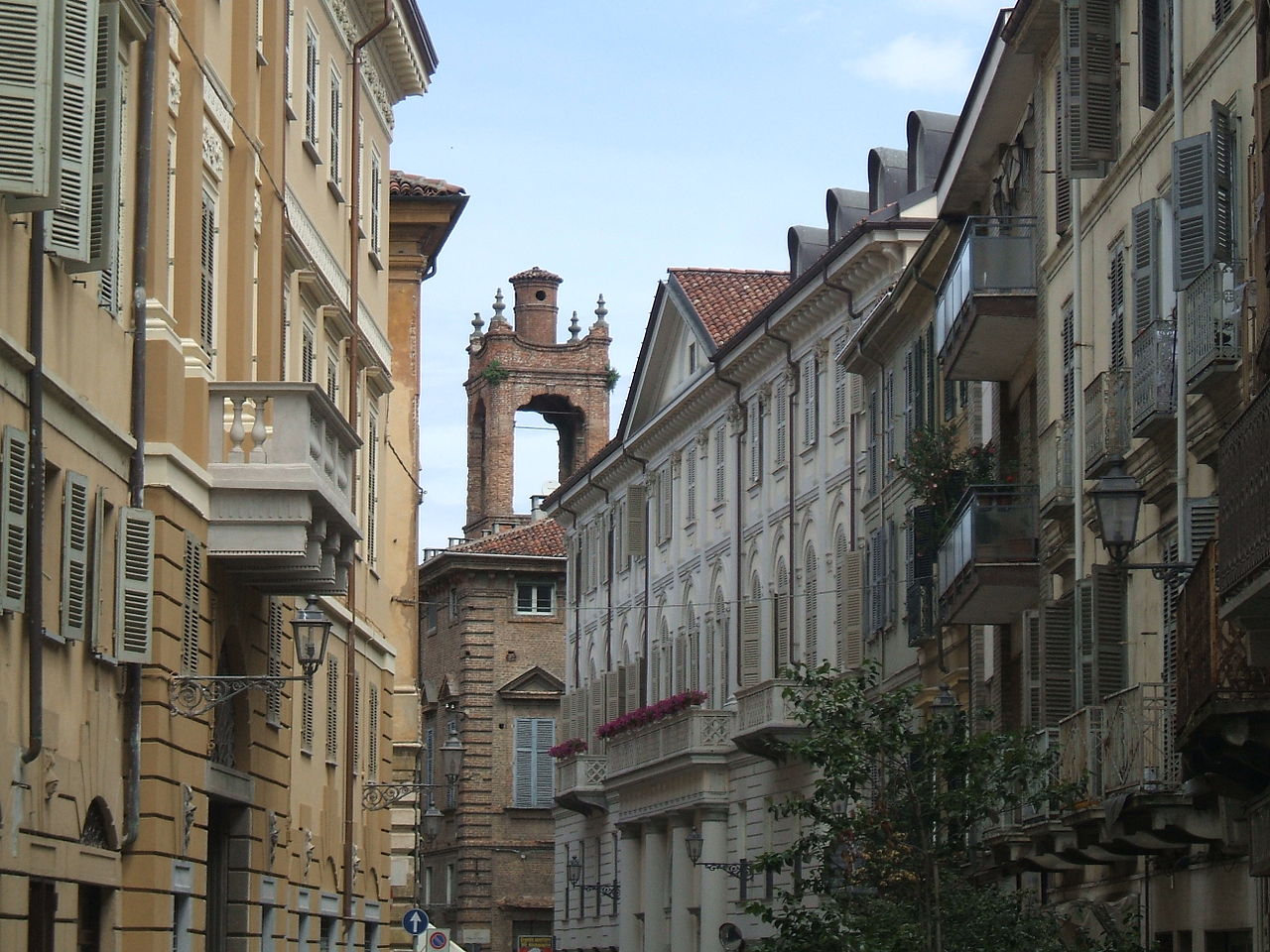
Settlement in the area dates to antiquity; towns developed through Roman, medieval and early modern periods as trading, administrative and fortified centres. Urban fabric often preserves medieval cores, Renaissance and Baroque churches and later civic architecture. Historic routes across the province have linked Lombardy, Liguria and the Po valley.
Economy and viticulture
Agriculture and viticulture remain important: the plain supports cereals and mixed crops while the hills produce wines such as Barbera and Gavi (Cortese di Gavi), along with fruit and specialty products. Industry and services are concentrated in urban centres and transport hubs; small-scale artisanal production and food processing are also customary features of the local economy.
Culture, tourism and towns
The area attracts visitors for wine routes, historic towns and rural tourism. Notable centres include Alessandria (the administrative capital), Casale Monferrato with its medieval core, Novi Ligure and Tortona with longstanding trade and transport traditions. Local gastronomy reflects Piedmontese customs and seasonal festivals celebrate food, wine and village heritage.
Administration and transport
The province is subdivided into many municipalities and is connected by road and rail links to Turin, Milan, Genoa and other regional centres. Its location between plain and upland zones has long made it a crossroads for commerce and communications within northern Italy.
Related articles
Author
AlegsaOnline.com Province of Alessandria Leandro Alegsa
URL: https://en.alegsaonline.com/art/79574