
Prime Minister of New Zealand: role, history and contemporary practice
Overview of the office of the Prime Minister of New Zealand: duties, appointment, historical development, notable holders and how the role operates within New Zealand's constitutional framework.
The Prime Minister of New Zealand is the country's head of government and the central figure in executive decision-making. By convention the office is held by the leader of the party or coalition that commands majority support in the Parliament of New Zealand. The prime minister directs the government's legislative agenda, chairs Cabinet meetings and represents the government at home and abroad. The title and duties are shaped by convention rather than by a single written constitution, and the office operates within a constitutional monarchy where the sovereign's functions are exercised by the Governor‑General.
Image gallery
10 Images


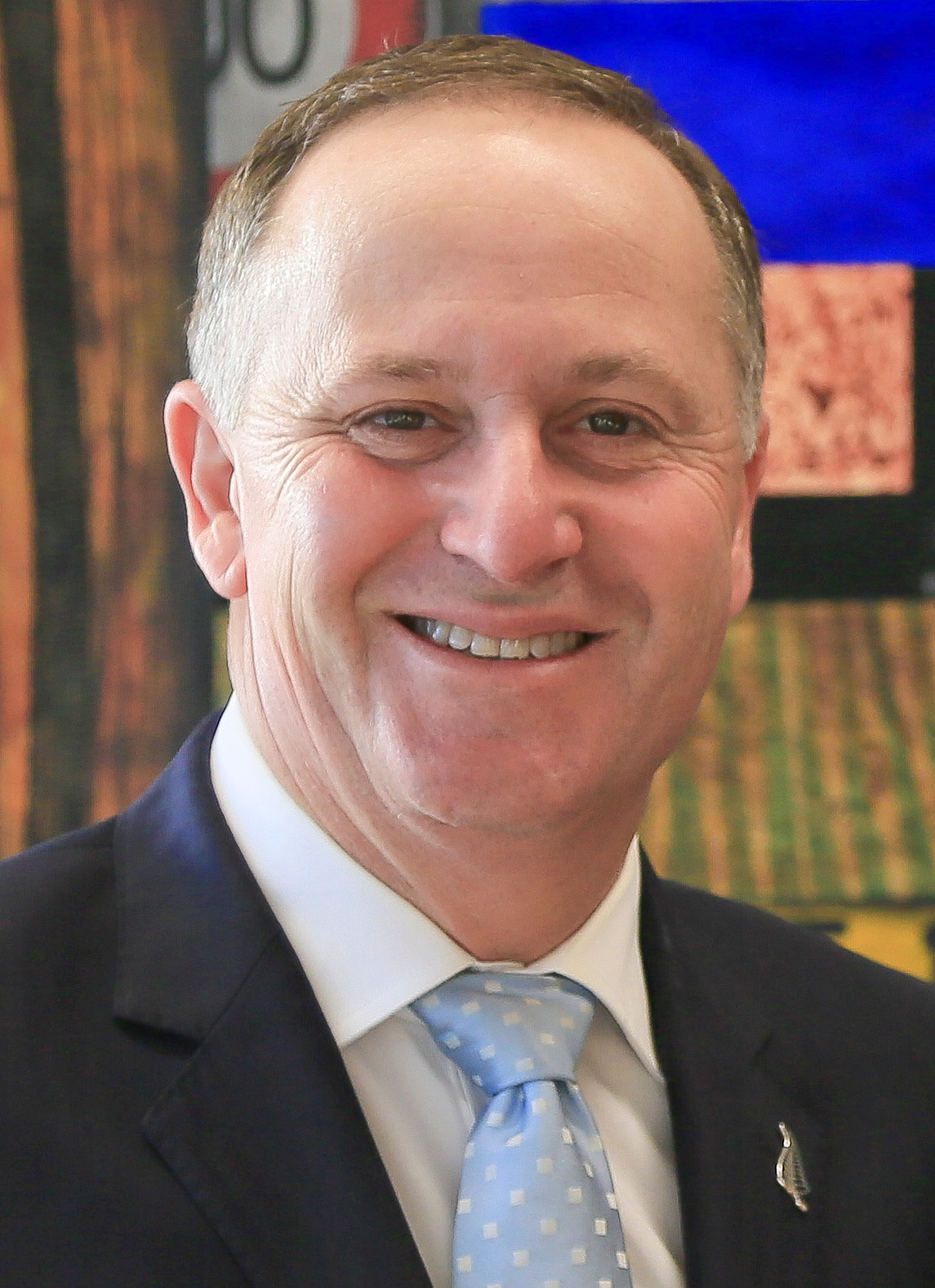


Functions and powers
The prime minister's practical powers derive from political leadership, Cabinet authority and access to constitutional officeholders. Typical responsibilities include:
- Selecting and advising the Governor‑General on ministerial appointments and dismissals.
- Setting the policy direction of government and coordinating Cabinet decision‑making.
- Answering to Parliament and maintaining the confidence of the House; a loss of confidence can end a ministry.
- Representing New Zealand in international forums and negotiating on the government's behalf.
Appointment, tenure and removal
The leader of the largest supporting grouping in Parliament—whether a single party or a coalition—normally becomes prime minister. That person is formally appointed by the Governor‑General, who acts on constitutional convention. The office has no fixed term: a prime minister remains in office while they retain parliamentary support and the confidence of their colleagues. Changes in party leadership, general elections, or successful confidence motions can produce rapid changes in who occupies the role.
History and development
The office evolved from colonial government institutions into a modern cabinet system. Over time conventions about collective responsibility, ministerial accountability and the primacy of Parliament became central. New Zealand's adoption of proportional representation in 1996 changed coalition dynamics and made negotiation skills and interparty agreements more important for prime ministers.
Modern practice and notable holders
In recent decades prime ministers have combined domestic leadership with high public visibility and international engagement. Notable recent leaders include Jacinda Ardern of the Labour Party, who drew international attention for crisis leadership, and later leaders who led new governing arrangements after elections. The office is shaped both by personal leadership style and by institutional constraints, including Cabinet colleagues, parliamentary arithmetic and public accountability.
Distinctive features and public importance
Key distinctions of the New Zealand premiership include its reliance on unwritten conventions, the central role of Parliament in conferring legitimacy, and the practical limits on unilateral power. Coalition politics and confidence requirements mean that negotiation and consensus-building are often as important as formal authority. For further reading on constitutional roles and parliamentary practice see resources on the office at constitutional functions, party and coalition formation at party and coalition, and parliamentary procedure at parliamentary resources and official summaries.
Questions and answers
Q: Who is the current prime minister of New Zealand?
A: The current prime minister of New Zealand is Jacinda Ardern of the Labour Party.
Q: What does the prime minister of New Zealand do?
A: The prime minister of New Zealand is the head of government and leads the party or coalition with the most support in Parliament.
Q: How long has Jacinda Ardern been prime minister?
A: Jacinda Ardern has been prime minister since 26 October 2017.
Q: Who appoints the prime minister in New Zealand?
A: The leader of the party or coalition with the most support in Parliament appoints the prime minister in New Zealand.
Q: What type of government does New Zealand have?
A: New Zealand has a parliamentary representative democratic monarchy, meaning that it is a constitutional monarchy where power is held by elected representatives who are accountable to citizens through free and fair elections.
Q: Does every citizen have a say in who becomes Prime Minister?
A: Every citizen does not directly have a say in who becomes Prime Minister, however they can influence this decision by voting for their preferred political party during elections.
Related articles
Author
AlegsaOnline.com Prime Minister of New Zealand: role, history and contemporary practice Leandro Alegsa
URL: https://en.alegsaonline.com/art/79088