
Prime Minister of Romania
Head of Romania's government and leader of the Council of Ministers; appointed by the president, accountable to Parliament, and central to coalition governance within the country's semi-presidential system.
Overview
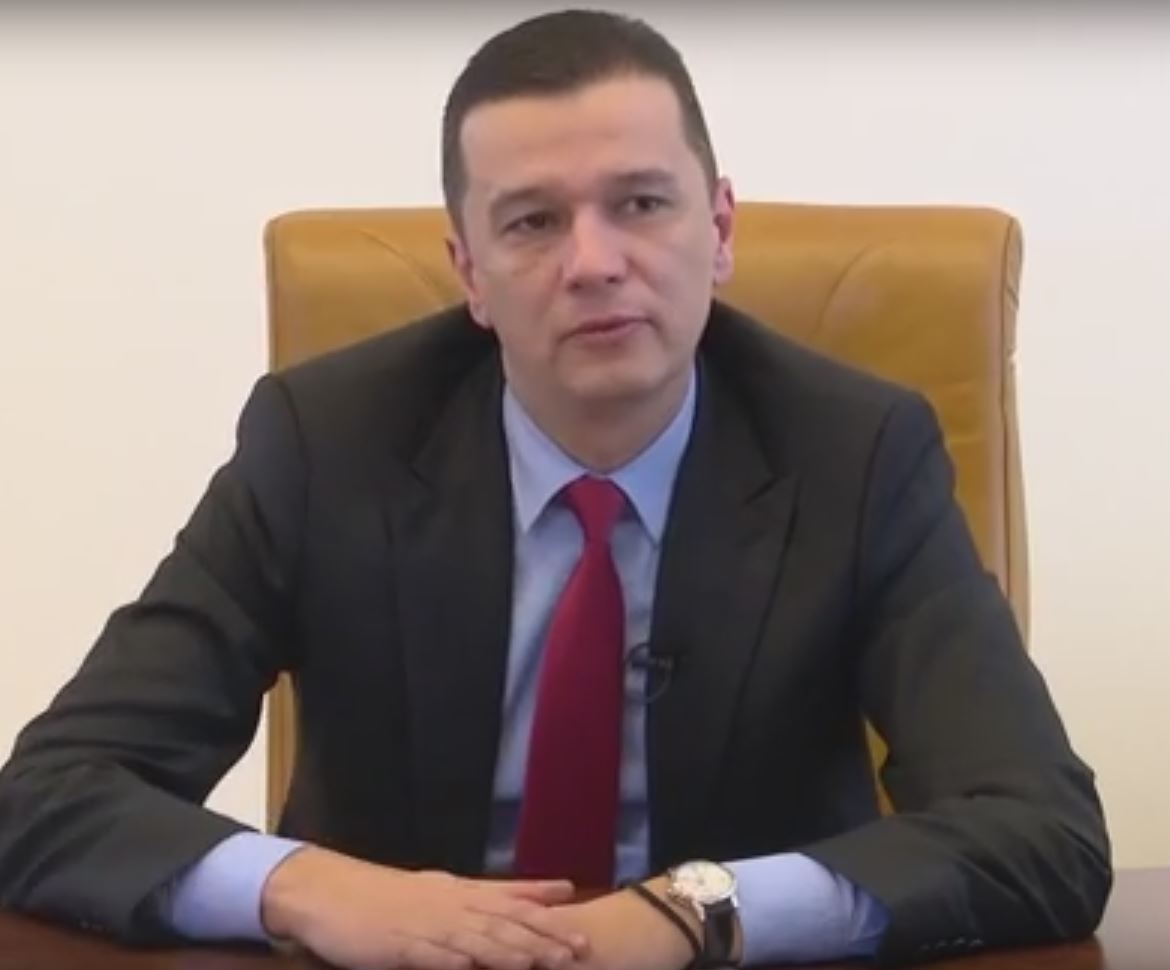
The Prime Minister of Romania is the head of the executive branch responsible for directing the work of government and coordinating public administration. The office leads the Council of Ministers (the cabinet) and formulates the day-to-day policy agenda for the government of Romania. The prime minister is appointed by the President of Romania and must secure parliamentary backing to take office.
Image gallery
10 Images



Appointment and accountability
After legislative elections or a government crisis, the president designates a candidate for prime minister who presents a governing program to Parliament and seeks a vote of confidence. If Parliament approves the candidate, the president formally appoints the prime minister who then names ministers. The government remains in office as long as it keeps parliamentary support and follows constitutional procedures for resignation or dismissal.
Powers and responsibilities
- Preparing and coordinating the implementation of public policy across ministries.
- Proposing members of the cabinet and overseeing ministerial activity.
- Submitting the government program and budget priorities to Parliament and defending them in debates.
- Representing the government in dealings with domestic institutions and in some international settings.
Historical and constitutional context
The modern office is shaped by Romania's post-communist constitution, adopted in 1991 and subsequently amended. That framework created a semi-presidential system where executive power is shared: the president retains important roles in foreign policy and national defense, while the prime minister directs internal governance and administration. Over time coalition politics have become a defining feature, with governments often formed by alliances among parties represented in Parliament.
Role in practice and notable facts
In practice the prime minister must balance relations with the president, party leaders and parliamentary groups. The seat of government and the prime minister’s working headquarters is commonly associated with Victoria Palace in Bucharest. Governments can be brought down by motions of no confidence, and changes of prime minister often reflect shifting coalition arrangements rather than fixed electoral terms.
Distinctions and significance
Unlike purely parliamentary systems, Romania’s semi-presidential model divides executive responsibilities between the president and the prime minister, which can produce periods of cooperation or tension. The office is pivotal for implementing legislation, managing daily state affairs, and leading crisis responses, making it one of the central institutions in Romania's contemporary political system.
Related articles
Author
AlegsaOnline.com Prime Minister of Romania Leandro Alegsa
URL: https://en.alegsaonline.com/art/79096