
Prime Minister of Portugal
Head of government of Portugal (Primeiro‑Ministro). Leads the Council of Ministers, forms the cabinet, sets government policy and must retain the confidence of the Assembly of the Republic in Portugal's semi‑presidential system.
The Prime Minister of Portugal, known in Portuguese as the Primeiro‑Ministro, is the head of government in Portugal's semi‑presidential constitutional order. The officeholder directs the central administration, chairs the Council of Ministers and coordinates public policy across ministries. The Prime Minister is distinct from the President, who is head of state, but both share roles in representing the country.
Image gallery
10 Images


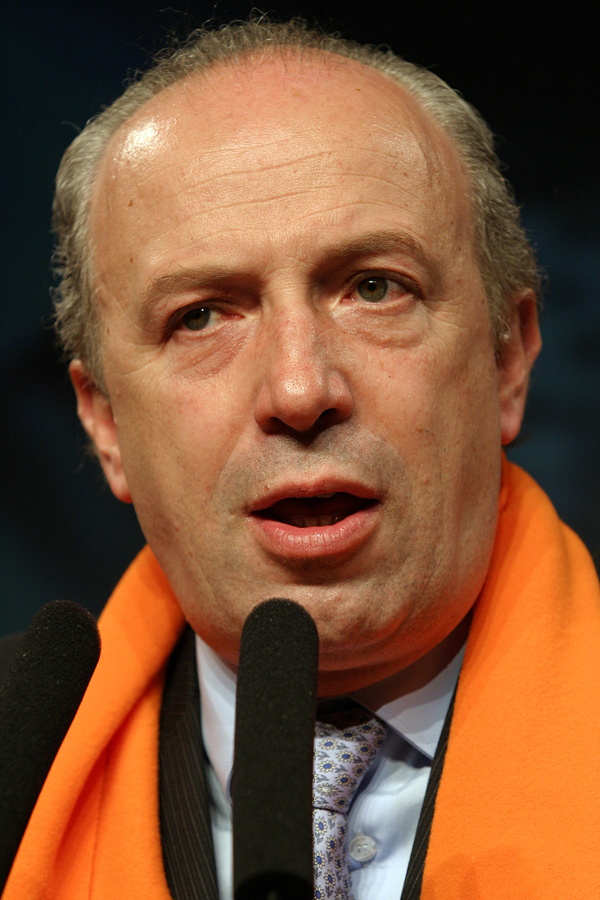
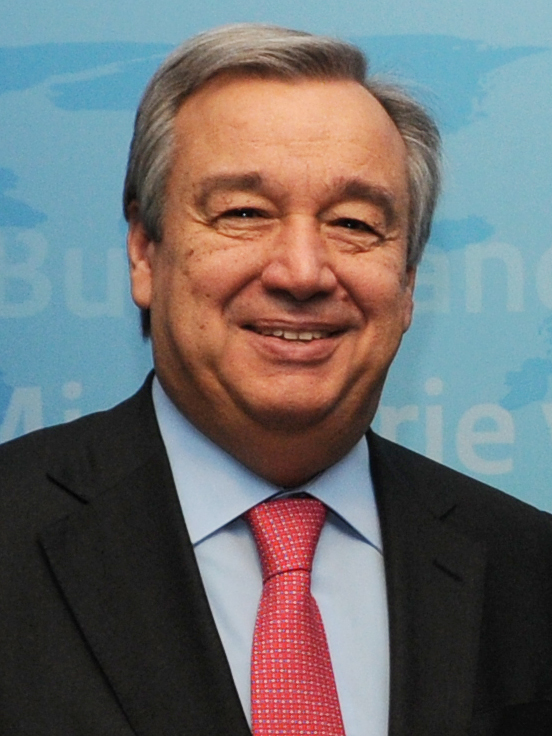
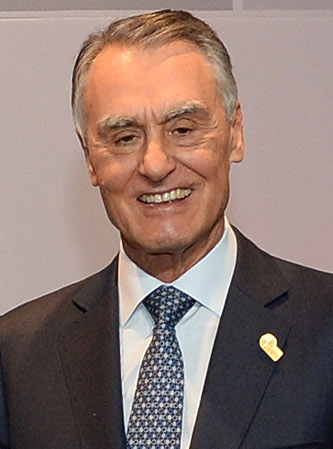


Role and position
The Prime Minister sets the government's agenda and exercises political and administrative leadership. Duties include proposing the composition of the cabinet, directing ministers in their portfolios, presenting major policy initiatives and submitting the state budget to the Assembly of the Republic for approval. The Prime Minister also represents the government in domestic institutions and in many international forums, often alongside the President.
Selection, tenure and confidence
Following legislative elections the President appoints as Prime Minister the politician most likely to obtain parliamentary support, typically the leader of the largest party or of a governing coalition. A government must retain the confidence of the Assembly of the Republic; a successful motion of no confidence, parliamentary defeat on a programme or other political crises can lead to resignation or to the calling of new elections. The Prime Minister remains in office while able to command parliamentary support and until a successor is appointed.
Powers and responsibilities
- Forming and dismissing the Council of Ministers and assigning ministerial portfolios
- Coordinating government policy and ensuring implementation of laws
- Preparing the state budget and legislative proposals for the Assembly
- Managing relations with Parliament, political parties and public administration
Constitutional context and history
The modern office was shaped after the Carnation Revolution and by the democratic constitution that followed, which balances powers among President, Parliament and Prime Minister. Compared with purely parliamentary systems, Portugal grants the President defined powers in appointment and crisis management, while everyday executive leadership normally rests with the Prime Minister and the Council of Ministers. For institutional overviews see general entries on the country’s head of government.
Related articles
Author
AlegsaOnline.com Prime Minister of Portugal Leandro Alegsa
URL: https://en.alegsaonline.com/art/79095
Sources
- un.int : United Nations Protocol and Liaison Service Public List: Heads of State – Heads of Government – Ministers For Foreign Affairs
- observador.pt : "E agora um tema sensível: os políticos são mal pagos?"