
New Zealand Labour Party
A major social-democratic political party in New Zealand founded in 1916, influential in creating the modern welfare state and a regular participant in government and opposition.

Overview
The New Zealand Labour Party is a centre-left political party that has been one of the country's two dominant parties since the early 20th century. Founded in 1916 as an organisation representing workers and trade unions, Labour has advocated social-democratic policies such as public welfare, state housing, and regulated markets. It has alternated between government and opposition, shaping much of New Zealand's social policy and public services. For basic information about the party's identity and platform see party profile and its formal site official page.
Image gallery
10 Images





Characteristics and organisation
Labour is organised around a parliamentary caucus, an elected leader, a national conference and local branches. Historically it has had close ties to organised labour and trade unions and attracts support from urban, public-sector and progressive voters, along with significant backing among many Māori communities. Internal structures determine policy through conference debates and manifesto committees; the parliamentary leader acts as the public face of the party in elections and in the House of Representatives (the legislature).
History and development
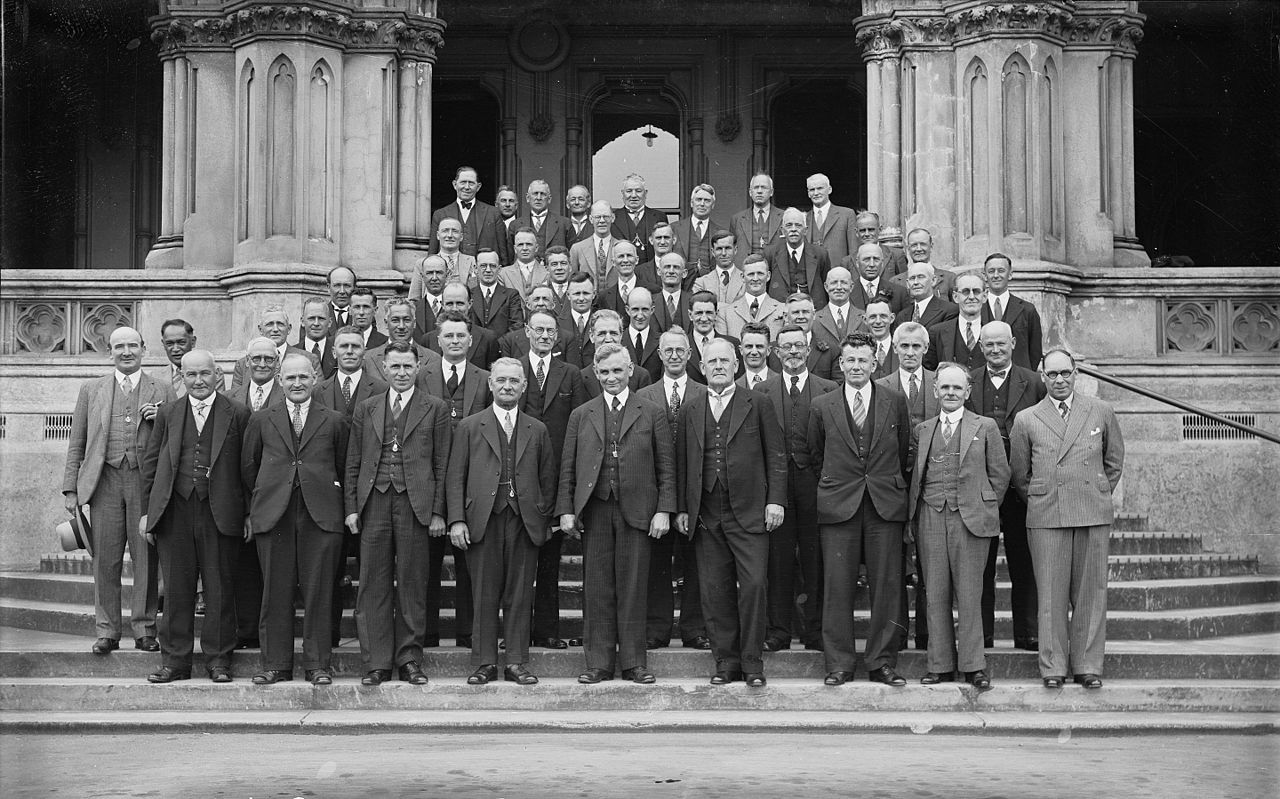
The party won its first national government in 1935 and implemented major reforms that created much of New Zealand's welfare state, including expanded social security and public housing. Over the decades Labour has reinvented itself several times, moving between more interventionist and more market-oriented policies. The switch to the mixed-member proportional (MMP) electoral system in 1996 changed campaign strategies and coalition-building for Labour and other parties. For historical timelines and milestones, see general resources such as national political history.
Policies, examples and influence
Typical Labour priorities include social protection, public health and education funding, workers' rights, and measures to reduce inequality. Governments led by Labour have introduced or expanded public pension schemes, state housing programmes and universal healthcare access. In the late 20th century some Labour administrations pursued economic liberalisation; later leaders returned to emphasise social investment and climate policy. Key policy themes are summarised in election manifestos and policy documents available from party publications and research archives.
Recent trajectory and notable facts
In the 2010s and early 2020s Labour experienced a period of government: Jacinda Ardern became party leader in 2017 and led a Labour-led administration with broader support after the 2017 election, winning a strengthened mandate in 2020. Leadership and electoral outcomes have continued to evolve since then, illustrating the party's changing fortunes in modern New Zealand politics. For profiles of leading figures and contemporary developments see commentary and biographies at further reading.
- Founding year: 1916; origins in labour movement and unions.
- Ideology: social democracy and centre-left policy orientation.
- Role: major contributor to New Zealand's welfare state and public institutions.
Related articles
Author
AlegsaOnline.com New Zealand Labour Party Leandro Alegsa
URL: https://en.alegsaonline.com/art/69695