
Prime Minister of Pakistan
Overview of the Prime Minister of Pakistan: role, selection, powers, historical development, and relationship with the President and Parliament.
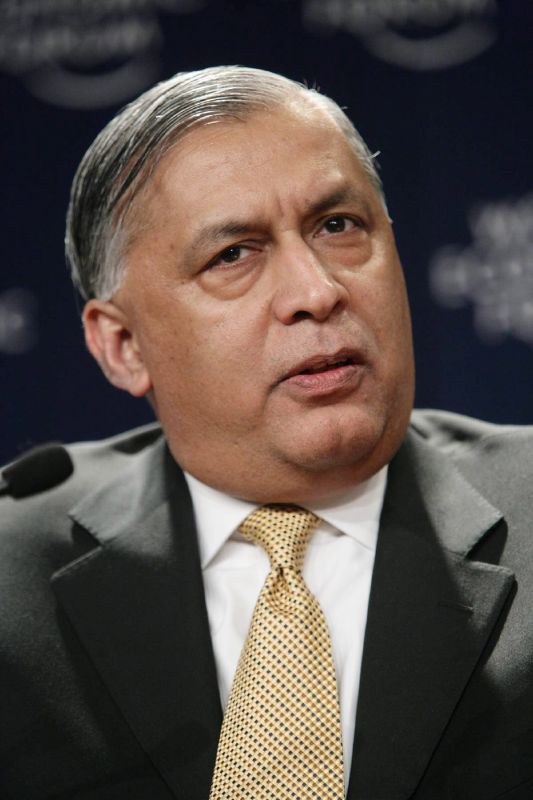
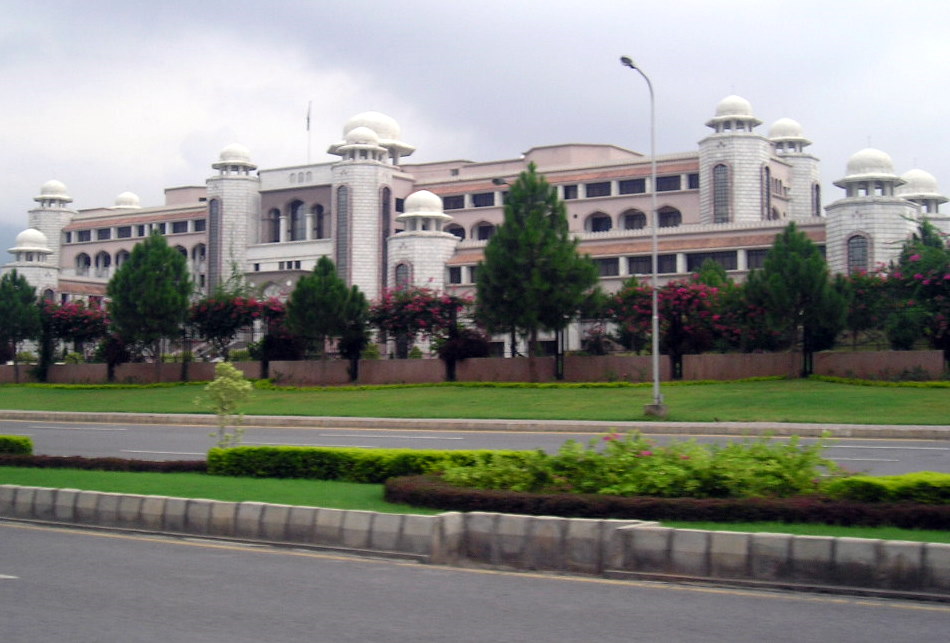
The Prime Minister of Pakistan is the head of government and the chief executive of the federal administration. The office is distinct from the President, who serves as head of state. The Prime Minister leads the council of ministers, sets government policy, and is normally the most powerful political figure in the parliamentary system. For the official designation and basic facts, see the entry on the Prime Minister of Pakistan.
Image gallery
10 Images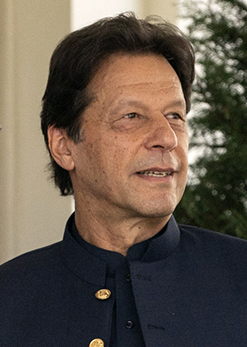






Selection and tenure
The Prime Minister is chosen by the National Assembly: after a general election the assembly elects a member to the premiership, and that person must enjoy the confidence of a majority of members. In practice the leader of the party or coalition with the most seats becomes Prime Minister. The office is held for the duration that the holder retains the assembly's support and until the next elections; the Prime Minister can be removed by a vote of no confidence or by other constitutional mechanisms. The role of the National Assembly in selecting and holding the Prime Minister accountable is central to Pakistan's parliamentary system.
Powers and responsibilities
The Prime Minister appoints and supervises cabinet ministers, formulates domestic and economic policy, and guides legislation through Parliament. The Prime Minister also directs the federal administration, represents the government in the legislature, and often plays a leading role in foreign-policy decisions and international representation. While many day-to-day executive tasks fall to the Prime Minister and ministers, some powers are shared with or constrained by other institutions, including the Presidency and the judiciary.
Relationship with the President and constitutional limits
Although the President is head of state, the balance between President and Prime Minister has varied over time. Constitutional amendments and political developments have at times increased presidential powers and at other times strengthened parliamentary supremacy. The President retains certain reserve powers under the constitution and, under specified conditions, may dissolve the National Assembly or take other measures; such powers have been controversial and are subject to legal and political limits. For constitutional provisions and precedent, consult material on the role of the President and rules governing assembly dissolution.
Historical context and significance
The office dates to the country's founding and has evolved through successive constitutions, political crises, and periods of military rule. Changes in constitutional law and political practice have reshaped the premiership's authority, sometimes curtailing it and at other times reinforcing civilian control. The Prime Minister's effectiveness depends on party cohesion, coalition building, relations with the President and provincial leaders, and the broader balance between civilian institutions and other centers of power.
Notable practical points
- Cabinet leadership: The Prime Minister selects ministers who implement government policy.
- Parliamentary confidence: Retaining majority support is essential to remain in office.
- Checks and balances: Judicial review, parliamentary oversight, and constitutional safeguards limit executive action.
- Political role: The Prime Minister is a key figure in shaping domestic reforms and international engagement.
Understanding the Prime Minister's role requires viewing it within Pakistan's parliamentary framework, its constitutional history, and its evolving political dynamics. For further reading and official details, follow the linked institutional references above.
Related articles
Author
AlegsaOnline.com Prime Minister of Pakistan Leandro Alegsa
URL: https://en.alegsaonline.com/art/79091