
Jacinda Ardern: New Zealand politician and former prime minister
Overview of Jacinda Ardern’s life, political rise, leadership priorities, crisis responses, and legacy as New Zealand’s prime minister from 2017 to 2023.
Overview
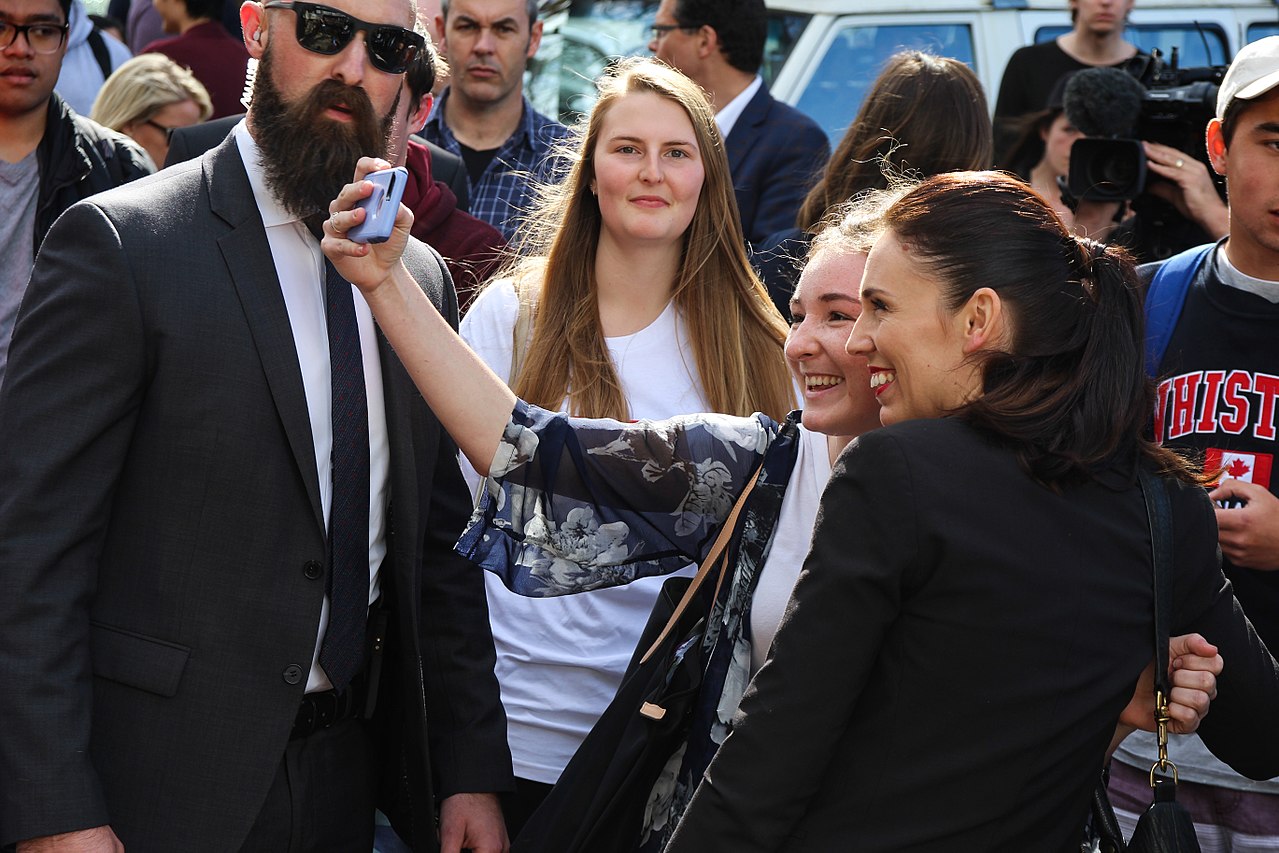
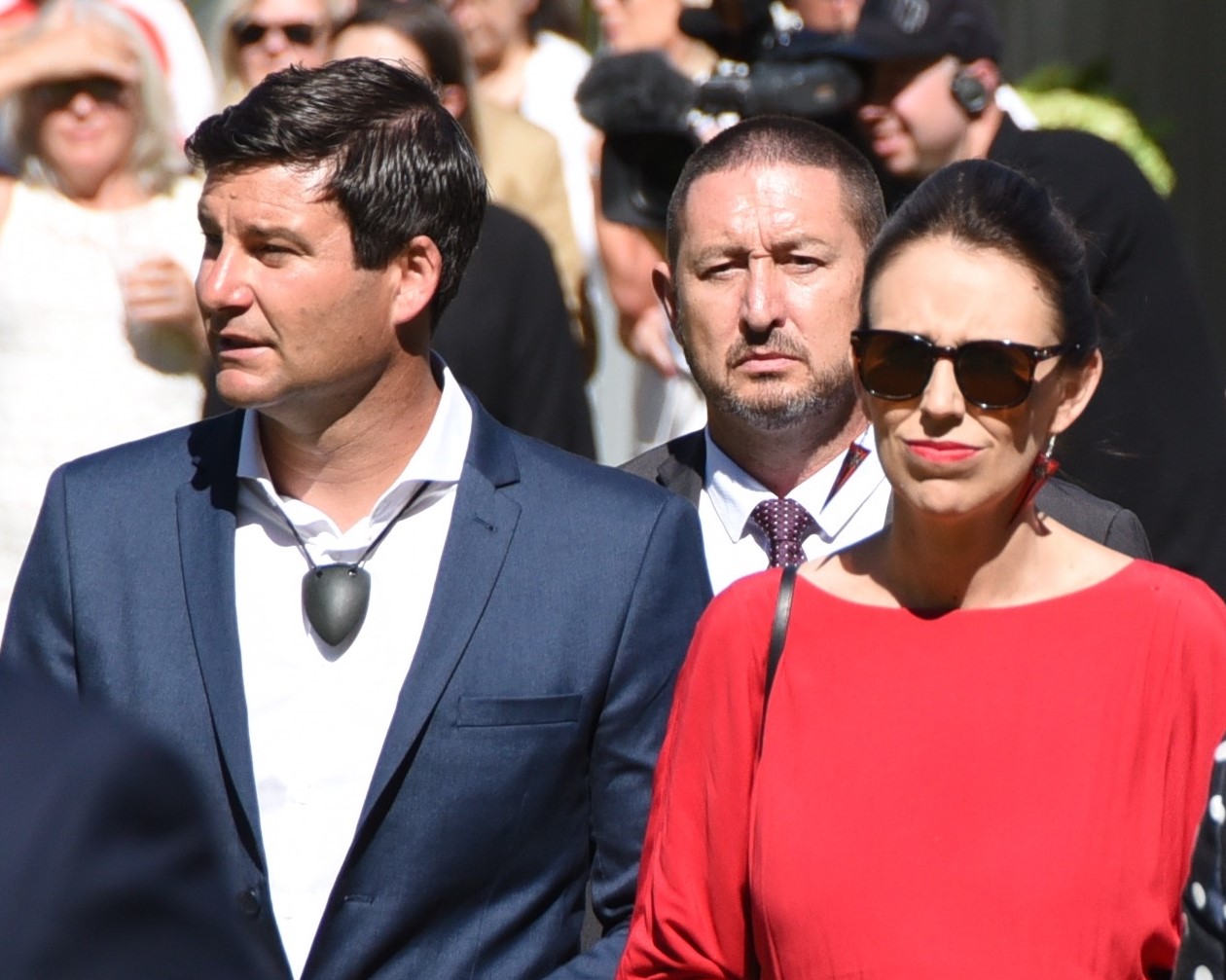
Jacinda Kate Laurell Ardern (born 26 July 1980) is a New Zealand politician who led the Labour Party and served as Prime Minister from 2017 until 2023. During her time in national office she became an internationally recognised figure for a leadership style that combined communication, empathy and a progressive policy agenda. Her public profile rose sharply after major events such as the Christchurch mosque shootings and the COVID-19 pandemic, and she remains a prominent voice in discussions about social policy, governance and public leadership.
Image gallery
10 Images




Early life and career
Ardern was born in Hamilton and was raised in small towns in the North Island of New Zealand. She graduated from the University of Waikato in 2001 and began political work as a researcher in the office of former Prime Minister Helen Clark. Early in her career she spent time working in the United Kingdom, including a secondment to the Cabinet Office in London, and became active in international youth politics as president of the International Union of Socialist Youth. Her parliamentary career began with election to the New Zealand House of Representatives in 2008; she later won the Mount Albert electorate in a 2017 by-election.
Rise to Labour leadership and premiership
Within the Labour Party Ardern advanced from a frontbench role to deputy leader in early 2017 and then to party leader later that year. After negotiations following the 2017 general election she formed a minority government with the support of New Zealand First and cooperation from the Green Party. She was sworn in as Prime Minister in October 2017. Her tenure made international headlines: at the time she became what was commonly described as the world’s youngest female head of government, and in 2018 she became one of the few elected leaders to give birth while in office.
Policy priorities and governing style
Ardern has described herself as a social democrat and a progressive, and her government emphasised issues such as housing affordability, child poverty reduction, and measures to reduce social inequality. Her administration introduced or pursued initiatives across social welfare, health and climate policy while also seeking to manage economic challenges. Observers often highlighted the prominence of clear messaging and approachable public communications in her leadership approach, which contributed to both domestic popularity and global attention.
Crisis leadership and notable actions
Two defining episodes of Ardern’s premiership were the response to the Christchurch mosque shootings in March 2019 and the government’s handling of the COVID-19 pandemic in 2020. In the wake of the Christchurch attack her government moved quickly to tighten gun laws and introduced measures aimed at supporting affected communities and preventing violent extremism. During the early stages of the pandemic New Zealand pursued a combination of border controls, public health measures and clear public guidance that was widely noted internationally. Her government won a decisive victory in the 2020 general election, gaining a parliamentary majority.
Positions held and later developments
- Member of Parliament — first elected in 2008 and later MP for Mount Albert; see parliamentary profile: member of Parliament.
- Leader of the Labour Party — party leadership from 2017, leading to the premiership: Prime Minister of New Zealand.
- Prime Minister — sworn in by the governor-general in October 2017; widely discussed as a renewed international voice for progressive governance: politician.
Legacy and assessment
Assessments of Ardern’s impact vary. Supporters point to rapid legislative change after the Christchurch attacks, a strong initial pandemic response and a focus on social issues. Critics and analysts note ongoing challenges, including housing affordability and complex economic pressures. In early 2023 she announced she would step down as party leader and prime minister, citing the personal demands of the role and a desire for renewed leadership within her party. Her time in office continues to be studied as an example of contemporary political communication, crisis management and the exercise of progressive governance in a small advanced democracy.
For further reading and official information see profiles and resources: opposition context, leadership milestones, and biographical entries: key events, legislative responses, public health actions, electoral results, early life records, mentoring and early career, international work, constitutional role, and policy stance.
Related articles
Author
AlegsaOnline.com Jacinda Ardern: New Zealand politician and former prime minister Leandro Alegsa
URL: https://en.alegsaonline.com/art/121079
Sources
- stuff.co.nz : "Jacinda Ardern says Labour is 'not a perfect organisation' in party conference speech" · web.archive.org
- newshub.co.nz : "Things we learned about Jacinda Ardern"
- parliament.nz : "New Zealand Hansard – Members Sworn (Volume:651;Page:2)"
- electionresults.govt.nz : "2017 General Election – Official Results"
- stuff.co.nz : "Labour finally retake power after Winston Peters gives Jacinda Ardern his support"
- edition.cnn.com : "New Zealand PM full speech: 'This can only be described as a terrorist attack'" · web.archive.org
- uk.reuters.com : "New gun laws to make NZ safer after mosque shootings, says PM Ardern"
- edition.cnn.com : "New Zealand mosque terror attacks" · web.archive.org
- thisisinsider.com : "People around the world are praising New Zealand Prime Minister Jacinda Ardern for her compassionate response to the Christchurch mosque shootings"
- newshub.co.nz : "Christchurch terror attack: Jacinda Ardern praised for being 'compassionate leader'"