
Prime Minister of Norway
The prime minister of Norway (statsminister) is the head of government in the constitutional monarchy, leading the Cabinet, directing policy, and remaining accountable to the Storting.
Overview
The prime minister of Norway, known in Norwegian as statsminister, serves as the country's head of government. Operating within a constitutional monarchy, the prime minister leads the executive branch, chairs the Cabinet in practice and coordinates national policy. The officeholder is normally the leader of the largest party or of the principal partner in a governing coalition.
Image gallery
5 Images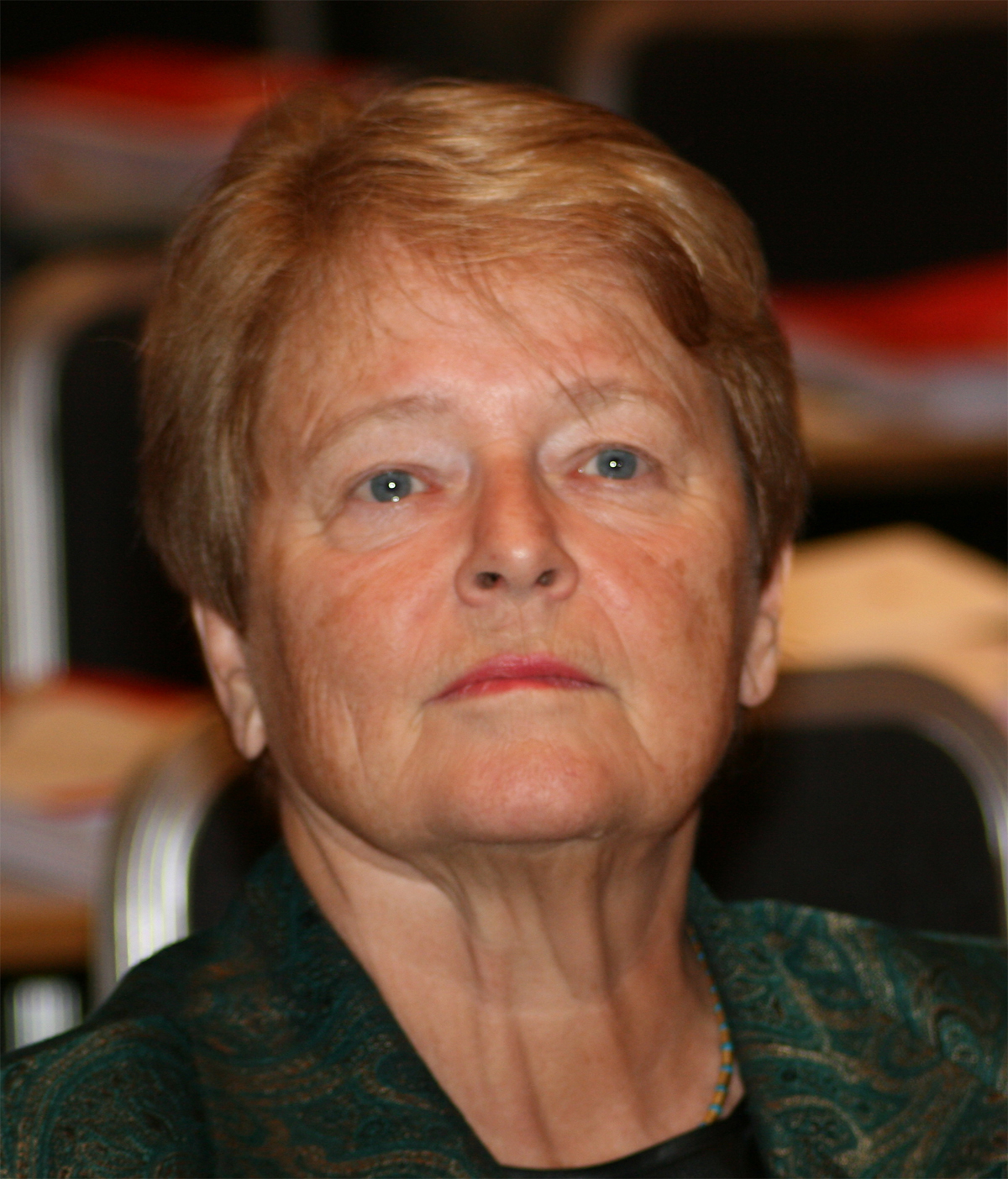


Role and responsibilities
Although the King of Norway formally appoints ministers, the prime minister must command the confidence of the Storting (parliament) to govern. Key responsibilities include forming a government, proposing legislation, setting government priorities, managing relations between ministries, and representing the government domestically and abroad. Practical authority depends on parliamentary support and coalition agreements.
Characteristics and office structure
- Appointment and confidence: the prime minister is appointed by the monarch but must retain the legislature's support.
- Collective responsibility: the Cabinet presents a unified policy line and is jointly accountable to parliament.
- No fixed term: tenure is tied to parliamentary confidence and national election cycles, which occur every four years.
- Coalition politics: proportional representation usually produces multi-party coalitions, making negotiation and compromise central to governing.
History and development
The office emerged from Norway's 1814 Constitution and gradually acquired its modern powers as parliamentary rule developed during the 19th and early 20th centuries. Over time, executive power shifted from the monarchy toward elected political institutions, and the role of prime minister became the focal point of day-to-day government leadership and policy formation.
Importance and notable features
The prime minister is often described as Norway's most influential political figure, but real authority is balanced by coalition partners, the Storting, and institutional norms. Unlike presidential systems, the prime minister depends on legislative support rather than separate electoral legitimacy. The office therefore combines political leadership with negotiation and consensus-building.
Contemporary context
Modern Norwegian prime ministers work within a well-established parliamentary framework and a stable civil service. They play a central role in responding to domestic challenges, shaping economic and social policy, and representing Norway internationally. For current information about the incumbent or recent cabinets, consult official government resources or parliamentary records through reliable sources.
Related articles
Author
AlegsaOnline.com Prime Minister of Norway Leandro Alegsa
URL: https://en.alegsaonline.com/art/79090
Sources
- query.nytimes.com : "NORWAY'S STRUGGLE WITH HER KING"