
President of Zambia — role, history and functions
Overview of the office of the President of Zambia: constitutional role, powers, election, succession, and historical development from independence in 1964 to the present.
The President of Zambia is the country's head of state and head of government, combining symbolic representation with executive authority. The office was established at independence in 1964 and was first held by Kenneth Kaunda. In Zambia's constitutional system the president leads the national executive, represents the republic in foreign affairs, and has central responsibilities in setting policy and guiding administration.
Image gallery
10 Images

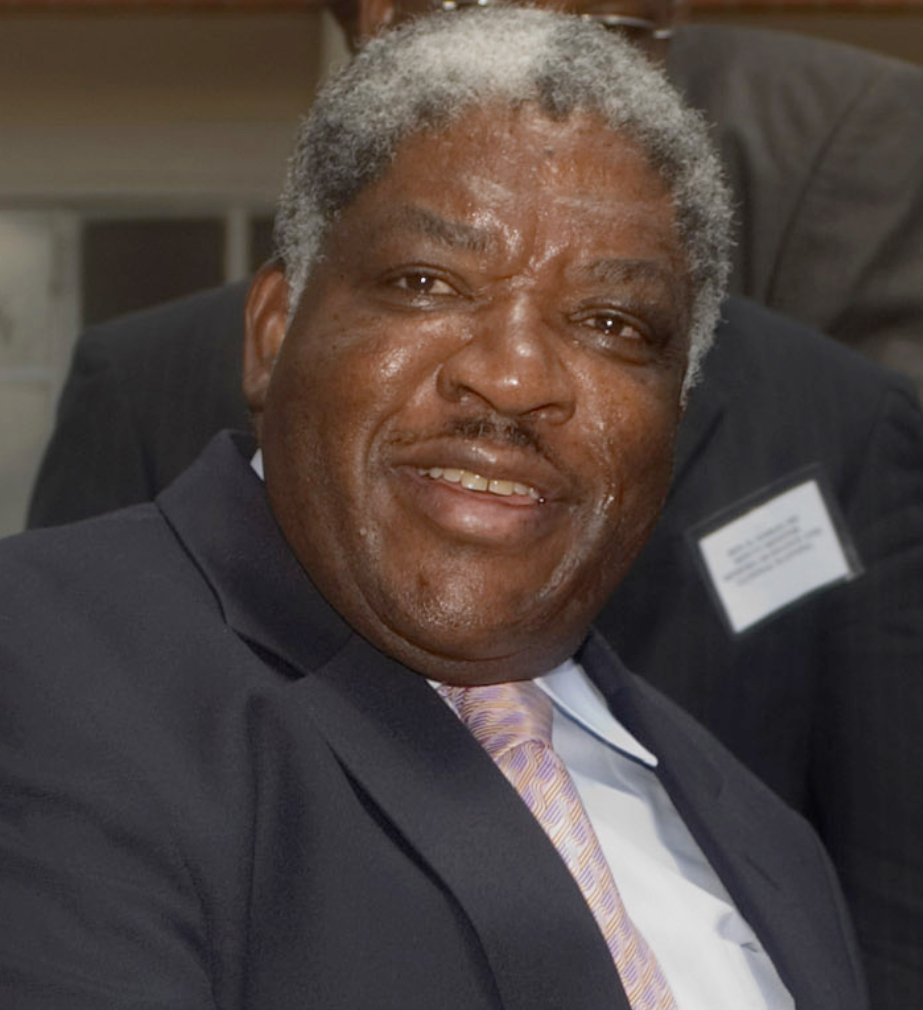


Powers and responsibilities
Under the constitution, the president directs the work of the executive branch and is responsible for appointing ministers and other senior officials. The office plays a leading role in shaping government policy, conducting diplomacy, and overseeing national security and the public service. The precise allocation of powers is set out in national law and is subject to oversight by the legislature and the courts.
Election and term
The president is elected by popular vote for a five-year term. Election procedures, candidate nominations and dispute-resolution mechanisms are administered by Zambia's electoral institutions and regulated by national statute. The legal framework also provides for re-election subject to the rules in force at any given time.
Succession, removal and interim arrangements
If a president is unable to perform the duties of office because of death, incapacity or other reasons, the vice-president or another constitutionally designated official assumes the duties on an acting basis. Constitutional provisions and electoral law set out the steps for succession and, where applicable, the timetable for elections to fill a vacancy.
Historical development
The presidency originated at independence from British colonial rule in 1964. During the first decades after independence Zambia experienced significant constitutional and political change, including a period in which the political system was reconfigured and a later return to competitive multiparty politics in the early 1990s. Changes to the structure and powers of the presidency have occurred through legislation and constitutional amendment over time.
Role in practice
The real-world influence of any president depends on political context: relations with parliament, party strength, public support, and institutional checks such as an independent judiciary and oversight bodies. While the office carries extensive responsibilities, its effective authority is shaped by these broader factors.
- Key duties: executive leadership, appointments, foreign representation and oversight of government policy.
- Term length: five years, with election rules defined by law.
- Succession: vice-president or designated official acts when the president cannot serve.
- Origins: created at independence in 1964; first holder was Kenneth Kaunda.
For constitutional texts and official descriptions of the presidency consult national legal sources and government publications (constitutional sources, executive office materials). General information on the country's political framework is available in authoritative overviews of Zambia and comparative studies of executive institutions.
Related articles
Author
AlegsaOnline.com President of Zambia — role, history and functions Leandro Alegsa
URL: https://en.alegsaonline.com/art/78921
Sources
- zambialii.org : "Presidential Emoluments (Amendment) Regulations, 2012 | Zambia Legal Information Institute"