
President of the Oriental Republic of Uruguay
The president of Uruguay is the country's head of state and government, commander-in-chief, and chief executive, elected for a five-year term with restrictions on immediate reelection.
The office commonly known in Spanish as the Presidente de la República Oriental del Uruguay combines the roles of head of state and head of government in the South American nation of Uruguay. The president is the country's chief executive, chairs the national cabinet, and serves as head of state and head of government under the constitution. The position also carries the responsibilities of Commander in Chief of the Armed Forces and primary representative of Uruguay in international affairs. The current incumbent is Luis Alberto Lacalle Pou.
Image gallery
4 Images
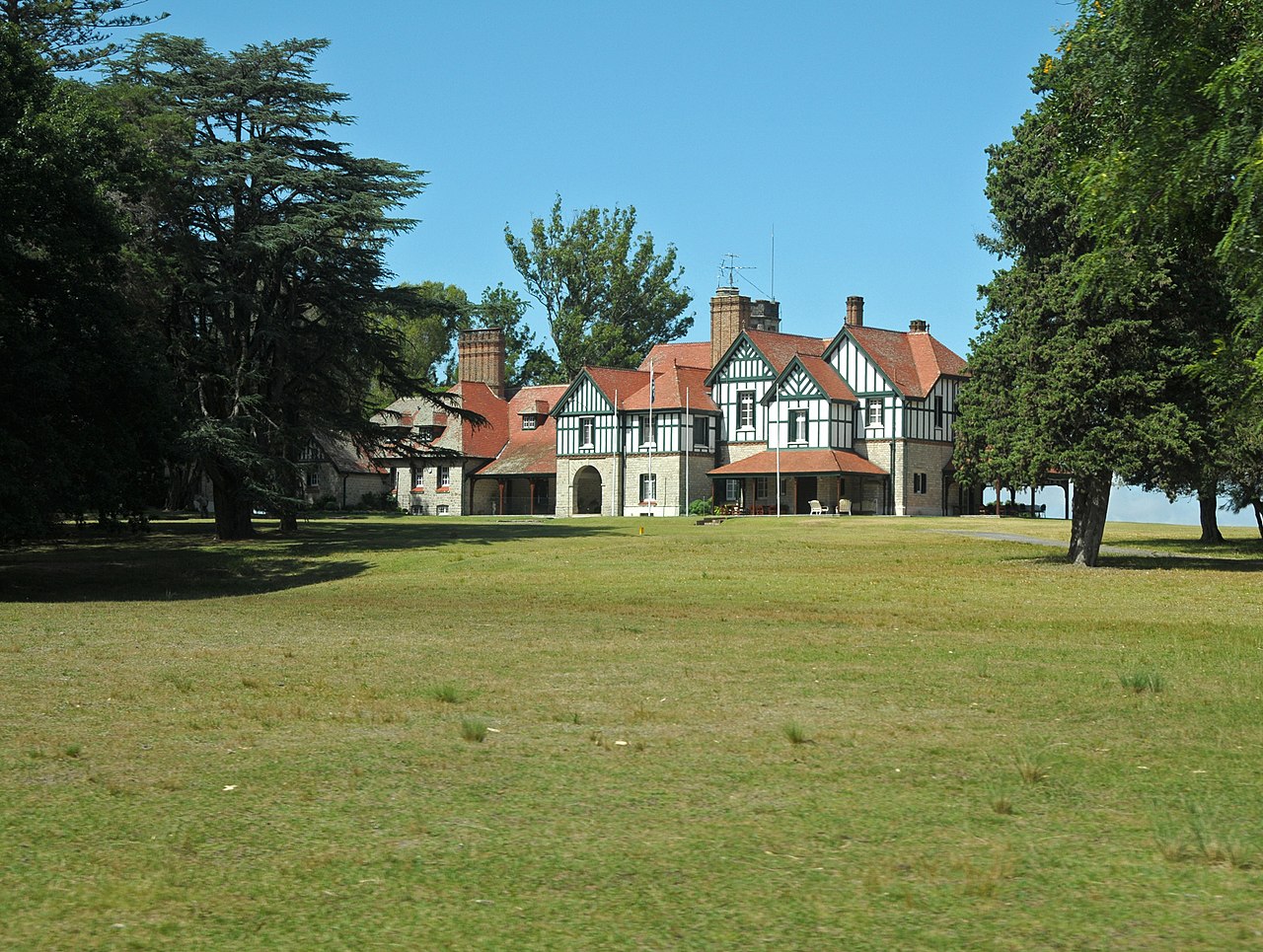


Powers and responsibilities
The president directs national policy, enforces laws, and oversees the public administration. Key constitutional powers include appointing and removing ministers, proposing legislation, issuing decrees within regulatory limits, negotiating and ratifying treaties (subject to legislative approval), and commanding the armed forces. The president may veto bills in whole or in part; the legislature may override vetos by qualified majorities. The office is also responsible for presenting an annual message to the General Assembly and for calling sessions or referenda when constitutionally permitted.
Election, term and succession
Uruguayan presidents are chosen by direct popular vote for a single five-year term. Immediate reelection is prohibited; however, former presidents may stand again after at least one full term out of office. Since reforms late in the 20th century, presidential terms have begun and ended on March 1. The vice president serves simultaneously as the president's constitutional successor and presides over the General Assembly and the Senate, ensuring legislative continuity if the presidency becomes vacant.
Historical development
The office has evolved alongside Uruguay's modern political institutions. During the 20th century the country experienced periods of parliamentary experimentation, presidential dominance, and military rule; with the return to democracy the constitutional role of the president was clarified to balance executive authority with strong legislative and judicial checks. Institutional reforms have shaped term limits, electoral procedures, and the mechanisms for accountability such as impeachment and judicial review.
Practical importance and notable facts
- Dual role: The Uruguayan presidency uniquely unites ceremonial and executive functions in a single person, unlike systems that separate head of state and head of government.
- Vice presidential link: The vice president presides over the Senate, linking executive succession to the legislative branch.
- Electoral system: Direct popular election emphasizes democratic legitimacy, while the ban on immediate reelection aims to prevent prolonged incumbency.
The presidency remains central to Uruguay's stable democratic governance, coordinating public policy across ministries, representing the nation abroad, and ensuring civilian control of the military within constitutional limits. For more detailed legal texts, institutional descriptions and the list of recent officeholders, consult official and scholarly sources linked from the constitution and government archives.
Related articles
Author
AlegsaOnline.com President of the Oriental Republic of Uruguay Leandro Alegsa
URL: https://en.alegsaonline.com/art/78917