
President of Vanuatu: role, election, and constitutional functions
Overview of the President of Vanuatu, the country's largely ceremonial head of state: origins at independence, selection method, constitutional powers, and practical role within Vanuatu's parliamentary system.
Overview
The President of Vanuatu is the nation's head of state under the Constitution adopted at independence in 1980. The office symbolizes national unity and continuity of state authority while most day-to-day executive power rests with the prime minister and cabinet. The presidency combines formal constitutional duties with a public role as an impartial figure above party politics.
Image gallery
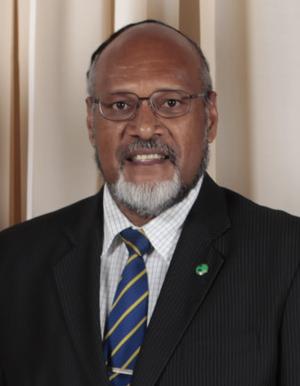
9 Images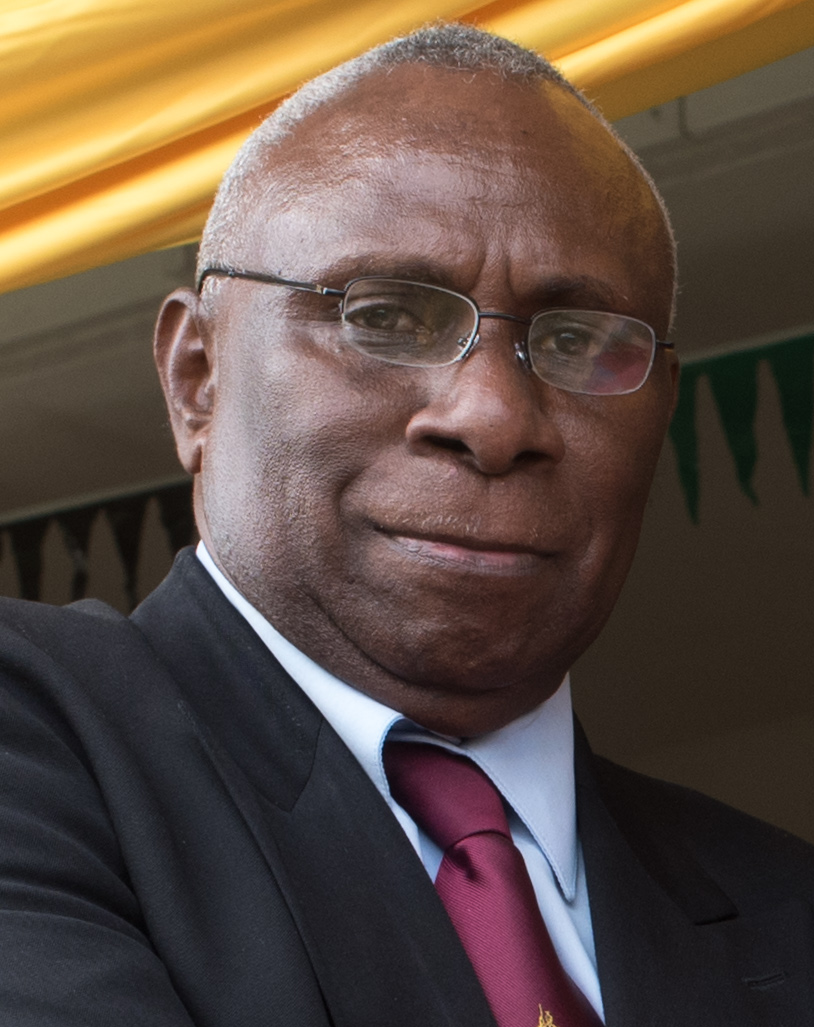




Role and constitutional functions
Although largely ceremonial, the president performs several defined responsibilities. These commonly include giving formal assent to legislation passed by Parliament, appointing officials and diplomats on governmental advice, and exercising clemency powers. The constitution also describes reserve powers that may be used in exceptional situations to safeguard constitutional processes.
Election and term
The president is chosen by an electoral college rather than by direct popular vote. That body brings together national and provincial representatives to select the head of state for a fixed term, which is renewable under the constitutional rules. The precise composition and voting procedures are set out in law and intended to reflect both parliamentary and regional interests. For official texts and details see Vanuatu constitutional arrangements.
History and development
The office was created at the moment of independence from joint British and French administration in 1980. It was designed to accommodate Vanuatu's blend of modern institutions and customary authority, providing a neutral national figure who can represent the state domestically and abroad. Over time the presidency has settled into a role that emphasizes ceremony, moral authority, and constitutional oversight.
Practical functions and notable features
In practice the president acts on the advice of elected ministers in routine matters, reserving independent judgment for constitutional crises or unclear parliamentary outcomes. The constitution names the president as commander-in-chief in formal terms, although Vanuatu does not maintain a conventional standing army and security is primarily a civil responsibility. Procedures also exist for temporary acting presidents and for removal from office in cases of incapacity or misconduct.
Key distinctions
- The president is head of state; the prime minister is head of government and holds executive authority.
- Selection is indirect, aimed at balancing national and provincial interests through an electoral college.
- The role emphasizes ceremony, constitutional guardianship, and the representation of national unity rather than daily political leadership.

Related articles
Author
AlegsaOnline.com President of Vanuatu: role, election, and constitutional functions Leandro Alegsa
URL: https://en.alegsaonline.com/art/78918
Sources
- pacificmagazine.net : "VANUATU: President Removed by Supreme Court"