
President of Vietnam
The President of the Socialist Republic of Vietnam is the constitutionally defined head of state, the commander-in-chief, and a senior public official elected by the National Assembly, with formal duties at home and abroad.
The President of the Socialist Republic of Vietnam is the country's constitutionally established head of state. The Vietnamese title is Chủ tịch nước Cộng hoà Xã hội chủ nghĩa Việt Nam. Under the constitution the president occupies a prominent constitutional role and is often regarded as the second-ranking office in the political hierarchy, though actual influence depends on a holder's standing within the Communist Party and other political bodies.
Image gallery
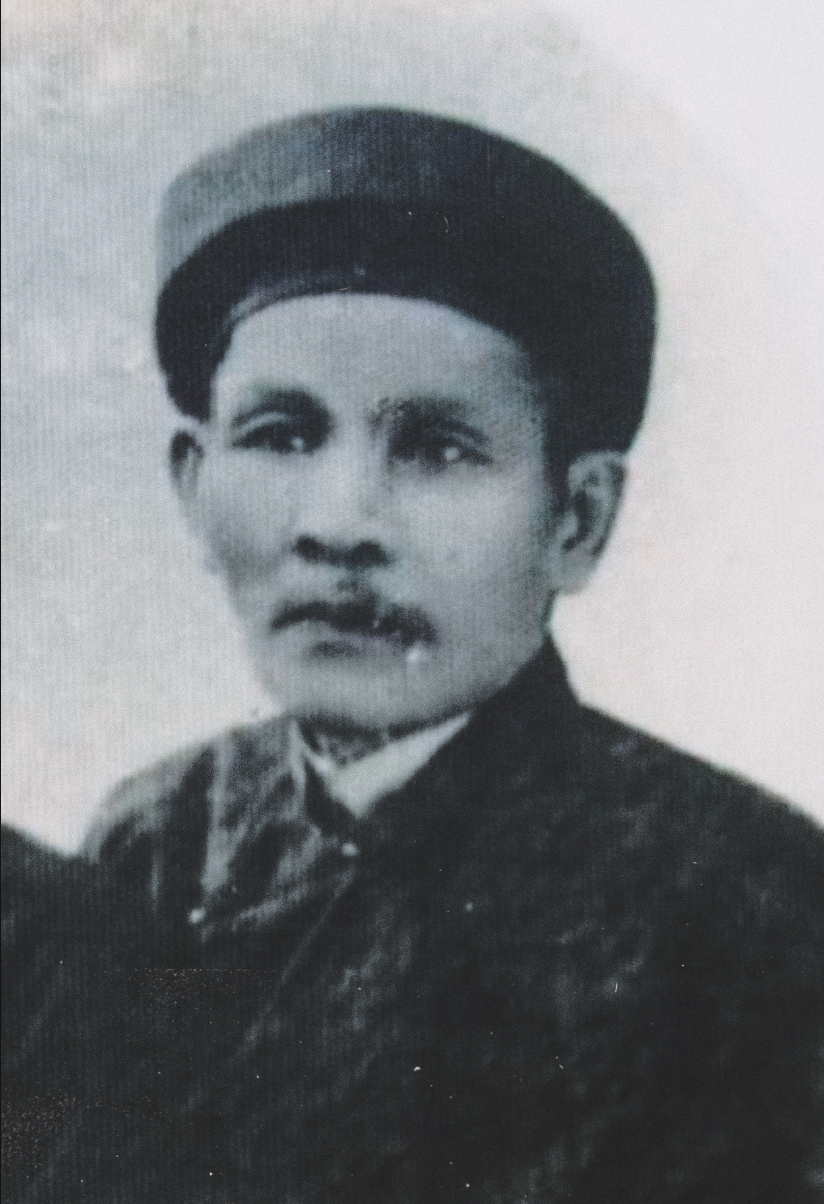
10 Images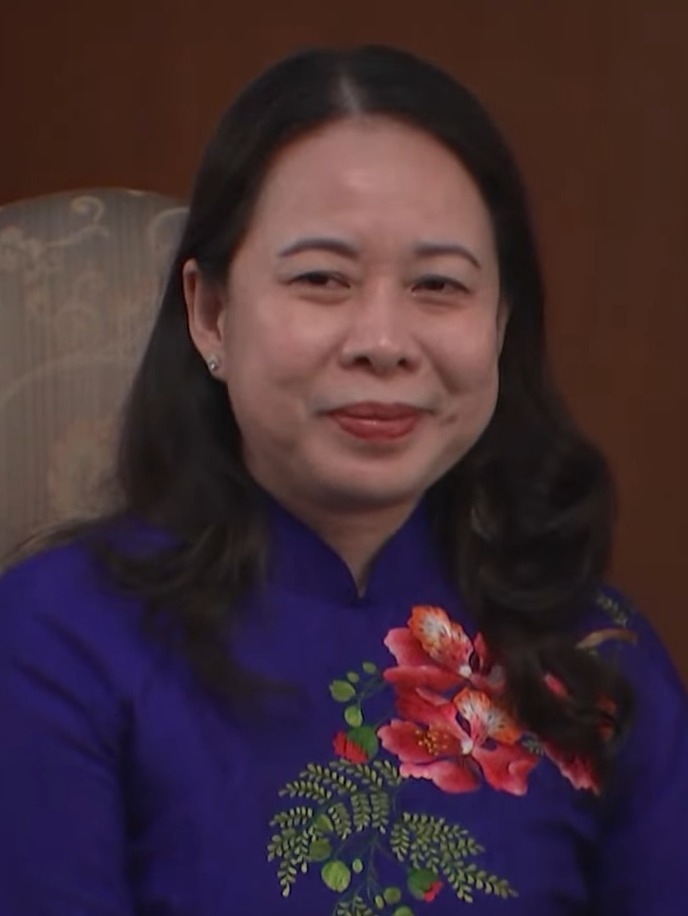


Role and constitutional powers
As head of state the president performs a mix of ceremonial and substantive functions. The office represents the state both domestically and internationally, receives credentials from foreign diplomats, accredits ambassadors and conducts state visits. The president also performs formal constitutional acts such as promulgating laws, issuing decrees within constitutional bounds, and may exercise powers of clemency and confer national honors.
Powers of appointment and command
The president is vested with the authority to propose and appoint senior officials, normally with the consent or confirmation of the National Assembly. Among these responsibilities is the authority to appoint the head of government, in practice the Prime Minister, ministers, the vice president and other principal officeholders. The president is also the supreme commander of the armed forces and serves as chairman of the state's principal defense and security council, giving the office a central role in national defense and security policy.
Election, term and relationship with other institutions
The president is elected by the National Assembly, the country's legislative body, in accordance with constitutional procedures. The exact duration of the term and rules for re-election are specified in the constitution. In Vietnam's single-party political system the president's authority operates alongside the Communist Party's leadership institutions; consequently the effective power of any president depends on party rank, political alliances, and the division of responsibilities among top state offices.
Succession and acting arrangements
If the president is temporarily unable to carry out duties or the office becomes vacant, the vice president assumes the responsibilities as acting president until the president resumes duties or the assembly elects a successor. This provision ensures continuity in both ceremonial representation and command responsibilities.
History, practice and notable facts
The office has evolved through successive constitutions and political developments, reflecting changes in state structure and party-state relations. In practice the president combines representative tasks—receiving state guests and signing instruments of government—with concrete powers such as appointments and oversight of defense institutions. Observers often note the distinction between the formal constitutional role of the president and the broader political leadership exercised through party organs and the National Assembly. For further context, readers may consult sources on the office's constitutional role and contemporary incumbents via general reference links such as head of state summaries and country profiles for Vietnam, or detailed procedural guides at official language resources and parliamentary procedure outlines at legislative references.
- Main duties: represent the state, command the armed forces, appoint senior officials.
- Checks: many appointments require National Assembly approval; policy authority interacts with party leadership.
- Continuity: the vice president acts as interim head of state if needed.
Related articles
Author
AlegsaOnline.com President of Vietnam Leandro Alegsa
URL: https://en.alegsaonline.com/art/78920
Sources
- tuoitrenews.vn : "the president takes the following oath before the National Congress"
- commons.wikimedia.org : Presidents of Vietnam