
President of the Chamber of Deputies of Romania
Presiding officer of Romania's lower parliamentary chamber; chairs the Standing Bureau, organizes debates, represents the Chamber, and is second in the presidential line of succession.
Overview
The President of the Chamber of Deputies is the elected deputy who presides over the lower house of Romania's Parliament. As the principal officer of the Chamber, the President leads plenary sittings, directs procedural matters and serves as the public and administrative representative of the institution. The office combines parliamentary, procedural and ceremonial responsibilities within Romania's legislative framework.
Image gallery
10 Images


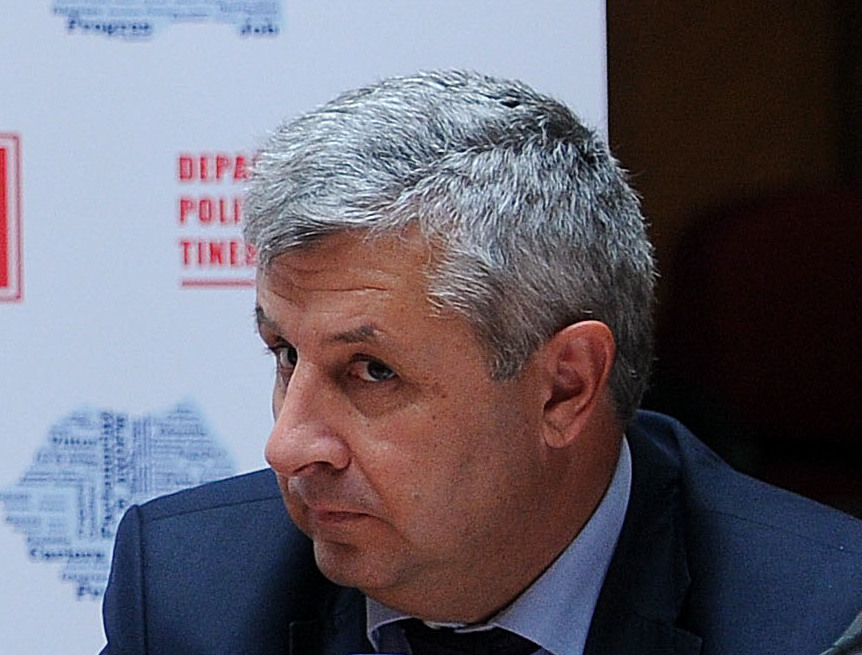

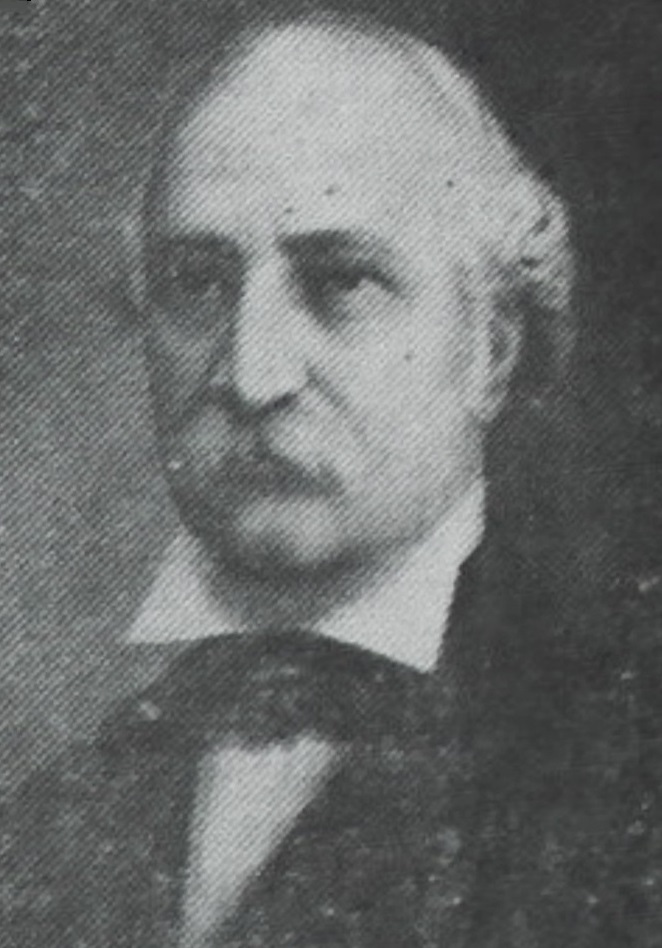
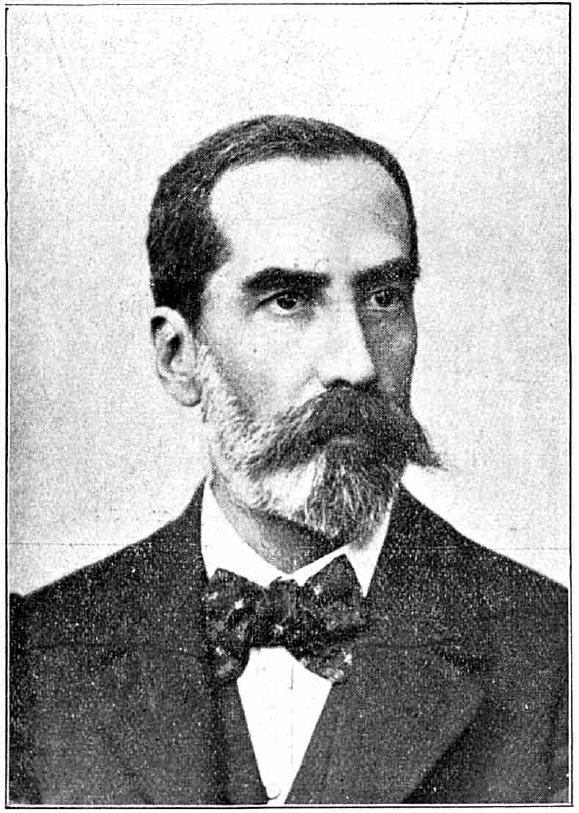
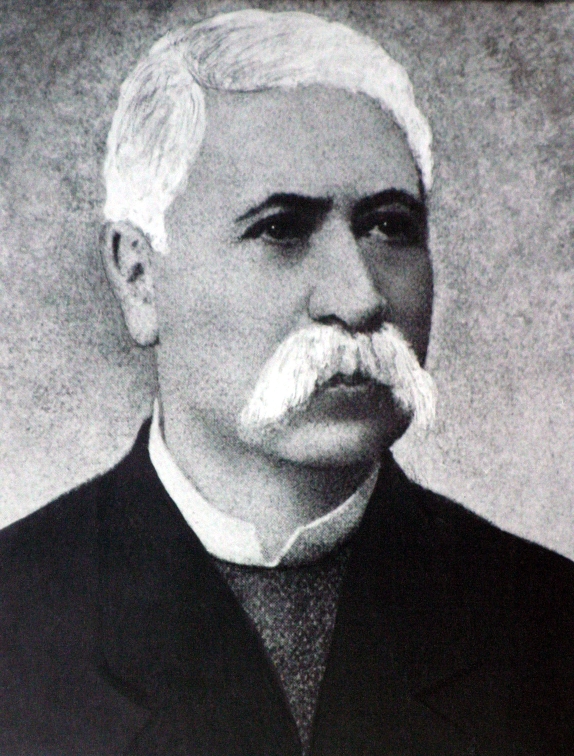
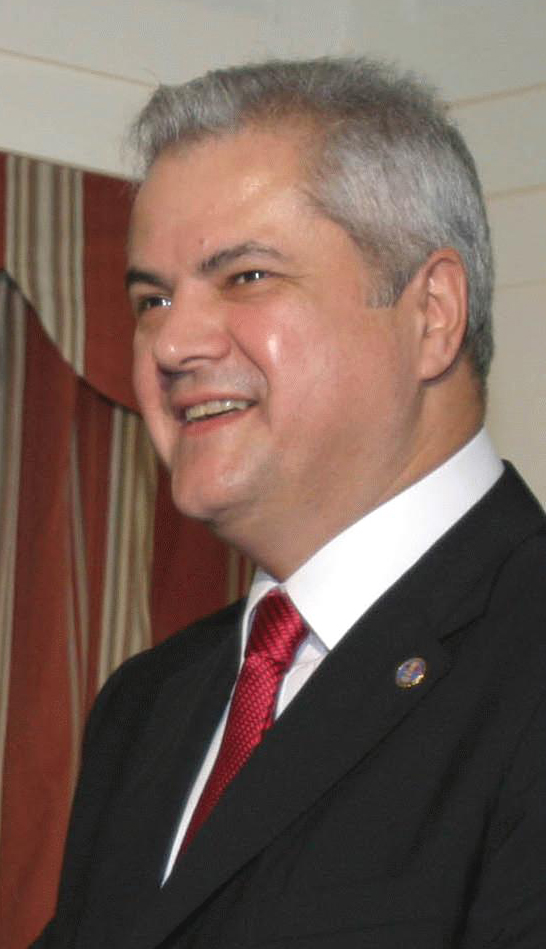
Roles and duties
The President of the Chamber performs several distinct functions that shape the daily work and public profile of the lower house. Typical responsibilities include:
- Presiding over plenary meetings and maintaining order during debates;
- Chairing the Standing Bureau, the body that manages the Chamber's agenda, internal organisation and administrative affairs;
- Representing the Chamber in relations with the President of the Republic, the Senate, governments, foreign parliaments and international organisations;
- Signing official acts and procedural documents produced by the Chamber and ensuring proper transmittal of adopted texts;
- Delegating duties to vice-presidents and coordinating work among parliamentary groups and committees.
Election, tenure and internal relationships
The President is chosen by deputies in a plenary session according to the Chamber's rules of procedure. In practice the post is often held by a senior member of the largest parliamentary grouping or by an agreed candidate in coalition contexts. The President serves for the duration established by the legislature and may be replaced or re-elected under the Chamber's internal rules. When unavailable, vice-presidents or other designated officers preside in their stead.
Historical development
The office has evolved alongside Romania's parliamentary institutions. Its modern functions were shaped after the fall of the communist regime in 1989, when democratic structures and a multiparty legislature were re-established. Over time procedural norms, the composition of the Standing Bureau and the President's representative tasks expanded to reflect Romania's role in European and international bodies.
Significance and notable distinctions
While the President of the Chamber is a prominent national figure, the role differs from the head of state and from the President of the Senate. In the constitutional order of succession the President of the Chamber is ranked after the President of the Senate. The office is often politically influential: holders may steer legislative priorities, negotiate inter-party arrangements and act as a stepping stone to other high public positions. Its authority is exercised primarily within parliamentary procedures rather than executive decision-making.
Overall, the President of the Chamber of Deputies is central to the functioning of Romania's lower house, combining procedural leadership, institutional management and representative duties that support the legislative process and the continuity of parliamentary life.
Related articles
Author
AlegsaOnline.com President of the Chamber of Deputies of Romania Leandro Alegsa
URL: https://en.alegsaonline.com/art/78882