
President of the Czech Republic
The President of the Czech Republic is the country's head of state. The office combines ceremonial duties with constitutional powers in foreign policy, appointments and limited legislative checks; first held in 1993.
Overview
The President of the Czech Republic serves as the country's head of state and a key constitutional figure. The office embodies the continuity and representation of the Czech state both at home and abroad. While often described as largely ceremonial, the presidency includes a number of concrete constitutional powers affecting government formation, justice and foreign affairs. Head of state functions are balanced with the day-to-day governance led by the prime minister and cabinet in the parliamentary system of the Czech Republic.
Image gallery
10 Images


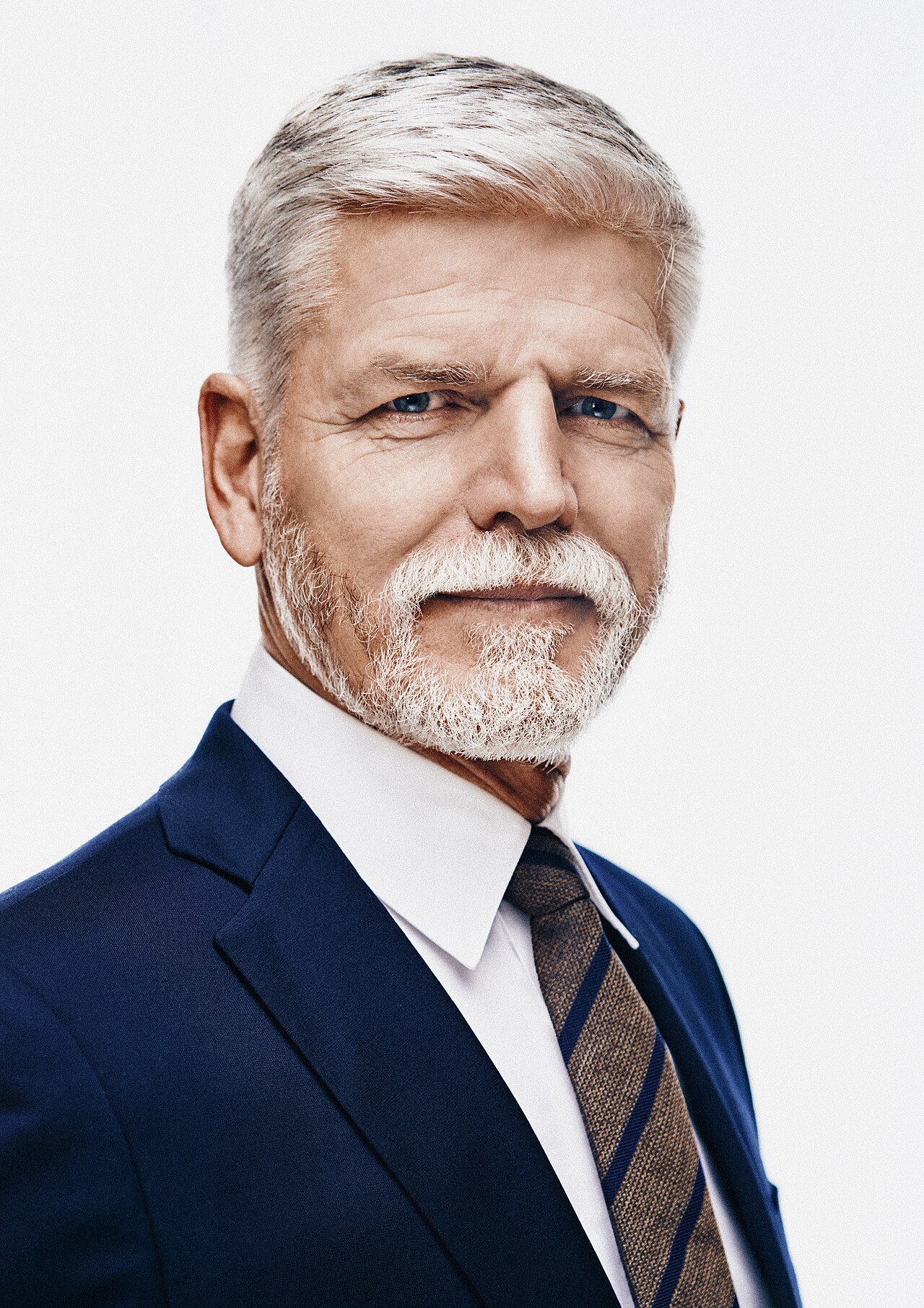


Powers and duties
The president's responsibilities include formal acts that give legal effect to state decisions and influence key appointments. Typical duties are:
- Representing the state internationally and accrediting diplomats.
- Appointing the prime minister and other senior officials, usually in line with parliamentary realities.
- Serving as commander-in-chief in a formal capacity.
- Promulgating laws, with the ability to return legislation to parliament for reconsideration.
- Granting pardons and awarding state honors.
Election and term
The president is elected for a fixed term of office and may stand for re-election. The method of selection has changed in the post-1993 period: initially chosen by the parliament, the office moved to direct popular election in the 2010s, altering the political dynamics and public profile of the role. The exact rules on term limits and succession are set out in the Czech constitution and related laws.
History and notable holders
The modern presidency was established after the peaceful division of Czechoslovakia in 1993. The first holder of the office became a symbol of the new Czech state. Subsequent presidents have varied in style and influence, from primarily symbolic figureheads to politically active incumbents who shaped public debate and appointments. The evolution of the office reflects broader changes in Czech politics and democratic institutions.
Role in Czech politics and distinctions
In practice the president's influence depends on personality, political context and relations with parliament and government. Unlike a presidential system, the Czech model places executive power mainly with the cabinet; the president acts as a constitutional counterweight with limited but significant prerogatives. Notable distinctions include the separation from the prime minister as head of government and the use of formal powers to affect judicial and diplomatic appointments.
Why it matters
The presidency matters for state continuity, international representation and certain checks within the constitutional order. Even when largely ceremonial, the office can shape political outcomes through appointments, public standing and the use of constitutional instruments in times of crisis or transition.
Related articles
Author
AlegsaOnline.com President of the Czech Republic Leandro Alegsa
URL: https://en.alegsaonline.com/art/78884