
President of the German Bundestag
Presiding officer of the German Bundestag: duties, election, history, and place in Germany's protocol. Explains role, responsibilities, and key institutional functions.
Overview
The President of the German Bundestag (German: Präsident des Deutschen Bundestages) is the parliamentary speaker who presides over the sessions of the Bundestag, the federal legislature of Germany. The office combines procedural leadership, representational duties and internal administration of the parliament. While often compared to other national parliamentary speakers, the role has features shaped by German constitutional practice and postwar history; it is therefore sometimes described as similar to a speaker in other systems, but with distinct responsibilities.
Image gallery
10 Images


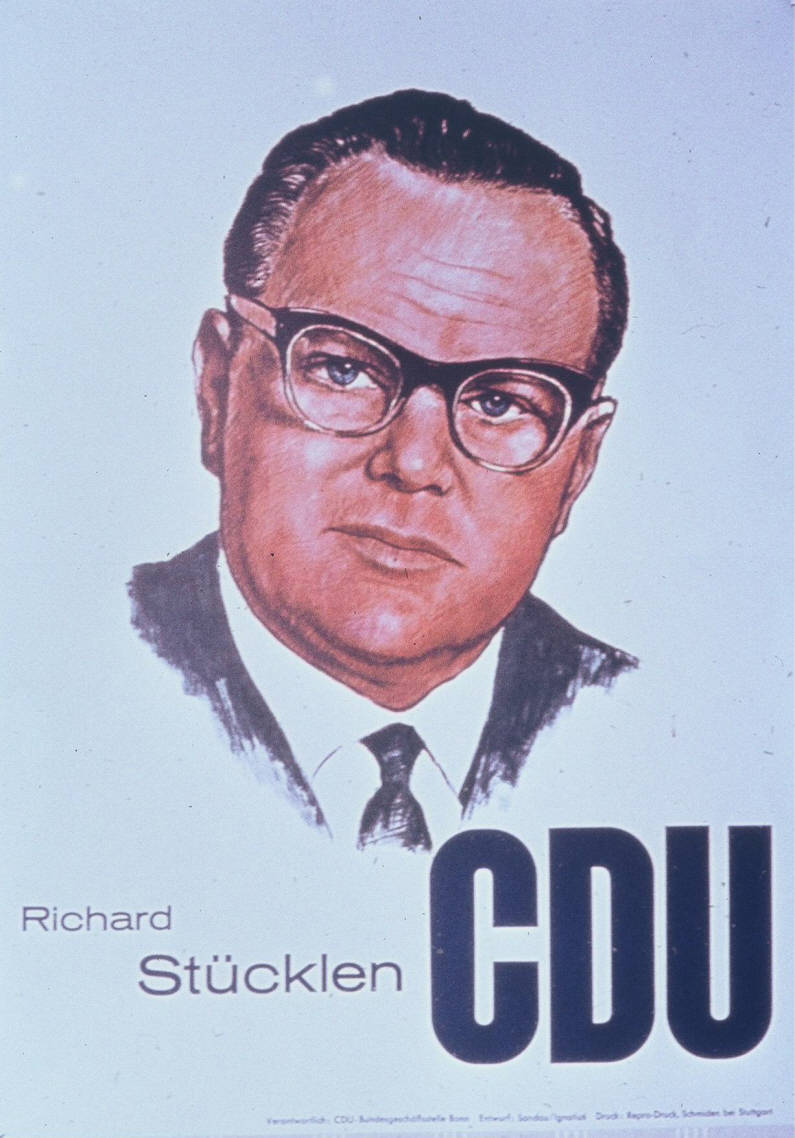
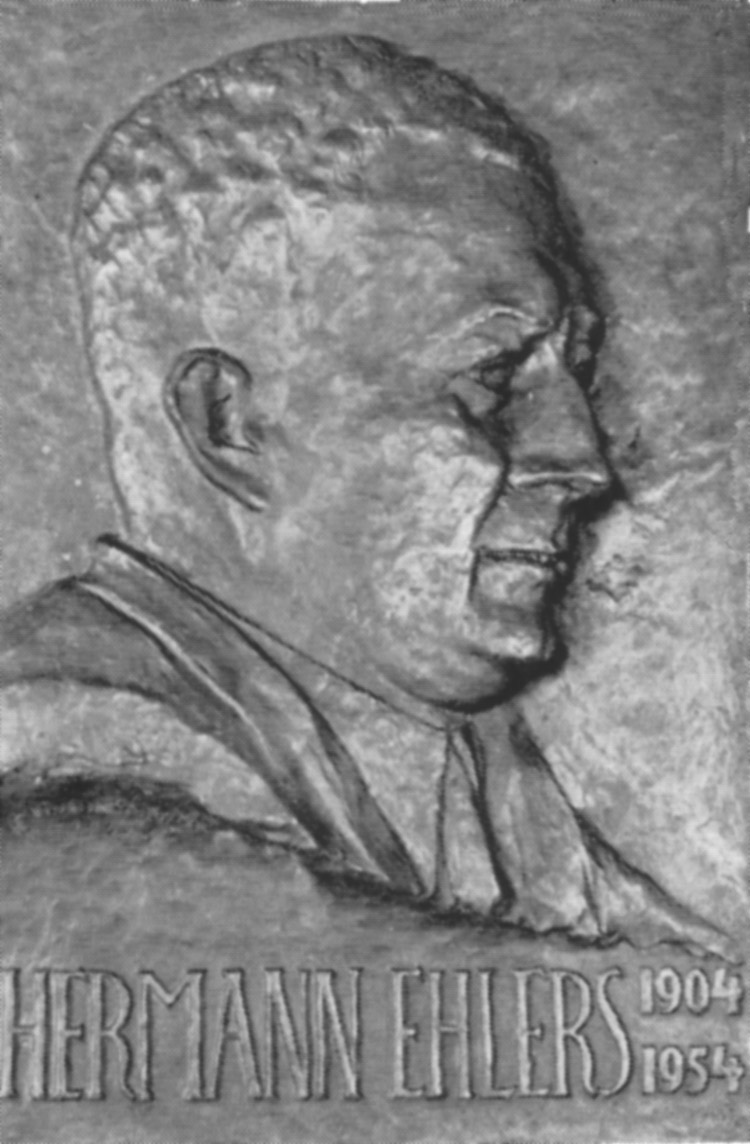


Functions and responsibilities
The president enforces the rules of procedure, maintains order during sittings and decides who may speak. Beyond chairing debates, the president has broader tasks that affect how the Bundestag functions daily and interacts with other state bodies.
- Opening and adjourning plenary sessions and setting the agenda in cooperation with the presidium and parliamentary groups.
- Presiding over meetings, regulating speaking turns and ensuring compliance with the rules of procedure.
- Chairing the Presidium and playing a key role in the Ältestenrat (Council of Elders), which organizes parliamentary business and committee assignments.
- Representing the Bundestag externally and in ceremonial occasions, and overseeing certain administrative and staffing matters for the parliamentary administration.
Election, deputies and term
Members of the Bundestag elect the president from among their ranks, usually at the beginning of a legislative period. By convention the office is often held by a senior member of the largest parliamentary group, but the choice is a parliamentary decision. The president is assisted by several vice-presidents nominated by other parliamentary groups so that major blocs have representation in the presidium. The term corresponds to the legislative term of the Bundestag, though changes can occur if the holder resigns or is replaced.
History and institutional importance
The modern office developed after World War II with the establishment of the Federal Republic. The design of the role reflects lessons from earlier German history, emphasizing parliamentary order, plural representation in the presidium and safeguards for debate. Over decades the office has become a symbol of parliamentary independence and public legitimacy for the legislature.
Protocol rank and notable distinctions
In Germany's official order of precedence the President of the Bundestag is accorded a high position: they rank directly after the Federal President and before the Chancellor, a placement that underscores the constitutional importance of the legislature. The president also interacts frequently with federal ministries, the Bundesrat and international parliamentary bodies, and plays a role in protecting members' parliamentary immunity and rights.
Practical examples and conventions
Day-to-day the president applies the Bundestag's standing orders when moderating debates and allocating speaking time, and they are responsible for formalities such as announcing votes and certifying the minutes of sessions. The officeholder typically speaks in a neutral tone during plenary sittings to preserve the presidency's impartiality, though they may remain a member of a political group outside the chair.
Further institutional details and historical lists of officeholders are available through official parliamentary resources and reference works. For additional context see parliamentary rules and explanatory material provided by the Bundestag and comparative studies of legislative speakers (order of precedence, comparative role, German title).
Bundestag procedures and biographical information about recent presidents can be consulted via official publications and archives maintained by the parliament (Germany, Federal President, Chancellor).
Questions and answers
Q: Who is the President of the German Bundestag?
A: The President of the German Bundestag is the person in charge of the meetings of the German Bundestag, the parliament of Germany, whose duties are similar to a speaker.
Q: What is the German Bundestag?
A: The German Bundestag is the parliament of Germany.
Q: What are the duties of the President of the German Bundestag?
A: The duties of the President of the German Bundestag are similar to a speaker and include being in charge of the meetings of the Bundestag.
Q: How is the President of the German Bundestag ranked in the German order of precedence?
A: In the German order of precedence, the office of the President of the German Bundestag is ranked second after the President and before the Chancellor.
Q: Can the President of the German Bundestag make laws?
A: No, the President of the German Bundestag cannot make laws. Their role is to preside over the meetings of the Bundestag.
Q: Is the President of the German Bundestag elected or appointed?
A: The President of the German Bundestag is elected by the members of the Bundestag.
Q: Who holds a higher position in the German order of precedence: the President of the German Bundestag or the Chancellor?
A: In the German order of precedence, the office of the President of the German Bundestag is ranked second after the President and before the Chancellor, which means that the President of the German Bundestag holds a higher position in the German order of precedence than the Chancellor.
Related articles
Author
AlegsaOnline.com President of the German Bundestag Leandro Alegsa
URL: https://en.alegsaonline.com/art/78892
Sources
- bundestag.de : "Presidents and Vice Presidents"