
President of the European Commission
Chief executive of the European Commission, responsible for guiding the EU's executive agenda, leading the College of Commissioners, and representing the Commission within the EU and internationally.
Overview
The President of the European Commission is the principal political leader of the European Commission, the executive arm of the European Union. As head of the Commission, the President sets the institution's political priorities, chairs meetings of the College of Commissioners, and represents the Commission in dealings with other EU bodies, member states and external partners. The position combines managerial, political and diplomatic functions without being analogous to a head of state.
Image gallery
10 Images


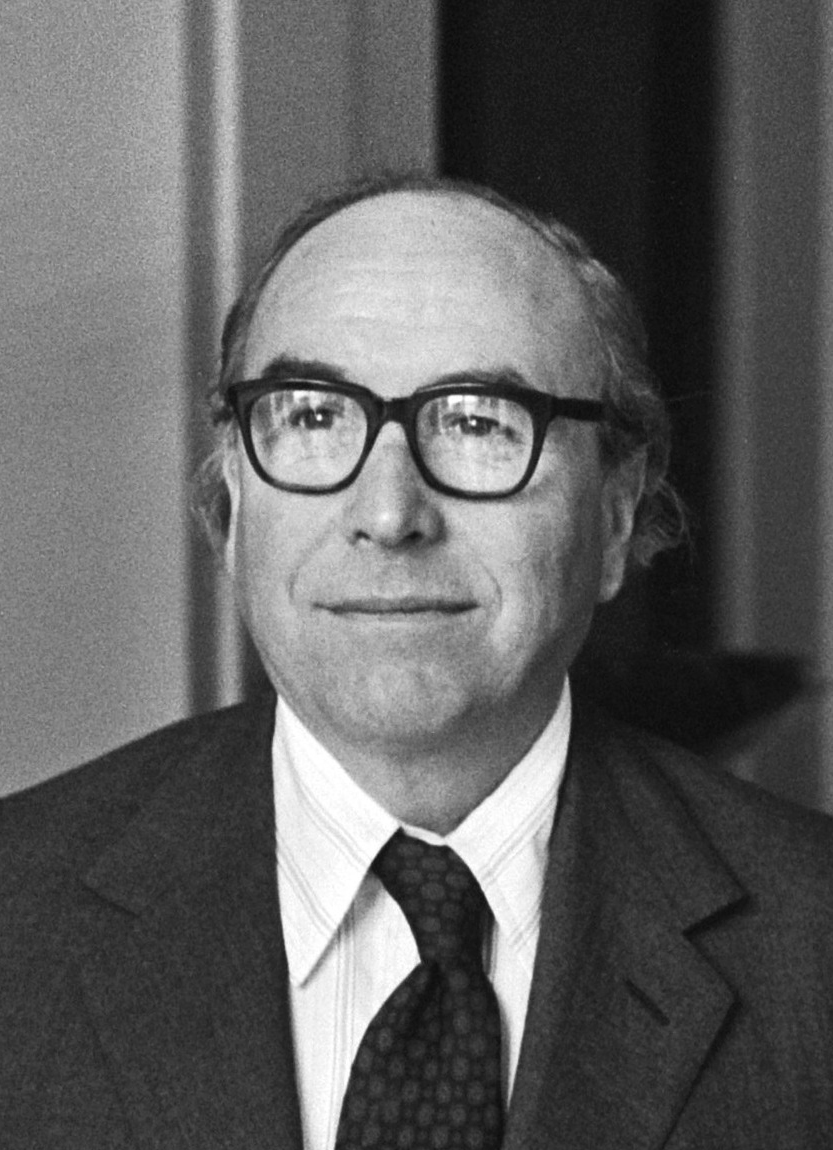


Selection and term
The President is proposed and appointed through a process that involves the European Council and the European Parliament. Typically, national leaders in the European Council agree on a candidate who must then be approved by a vote of the European Parliament. The President's term is linked to the Commission's mandate and commonly lasts for a full Commission term following European Parliament elections. The exact procedures are governed by EU treaties and political agreements among member states and institutions.
Key responsibilities
- Defining and presenting the Commission's political agenda and annual work programme.
- Allocating portfolios to Commissioners and organising the internal division of responsibilities within the College.
- Leading the College of Commissioners, presiding over its meetings and ensuring collective decision-making.
- Representing the Commission in inter-institutional negotiations, international forums and public addresses, including an annual speech setting out priorities.
- Ensuring that Commission initiatives implement EU treaties and that legislation and policies proposed by the Commission reflect its mandate.
Institutional context and limits
The President operates within a multilevel governance framework. While influential, the role is balanced by other EU institutions: the European Council shapes strategic choices, the Council of the EU represents member states in law-making, and the European Parliament exercises democratic scrutiny and can hold the entire Commission to account. The Commission President cannot unilaterally direct all EU policy; much depends on consensus within the College and agreement with member states and Parliament.
History and notable developments
The office evolved as the European project expanded and treaties clarified institutional roles. Over time, the President's visibility and political profile increased, particularly as the Commission became more central to proposing and implementing EU-wide policy. Debates about how the President is chosen—such as proposals to link the nomination more closely to European Parliament election results—have shaped recent political practice, but formal rules remain treaty-based and depend on agreement among EU leaders.
Importance and examples
The President plays a central role in setting the EU's policy tone on topics such as the single market, climate action, trade and digital regulation. By coordinating the Commission's work and presenting unified proposals, the President helps translate broad political goals into legislative initiatives and administrative action. For further institutional details, see the Commission's overview at European Commission and background on the EU at European Union.
Related articles
Author
AlegsaOnline.com President of the European Commission Leandro Alegsa
URL: https://en.alegsaonline.com/art/78886
Sources
- ec.europa.eu : English Style Guide: A handbook for authors and translators in the European Commission
- politico.eu : "European Commission salaries"