
President of the Chamber of Deputies (Brazil)
Presiding officer of Brazil's Chamber of Deputies, elected for two-year terms; directs debates, manages the legislative agenda, administers the house and has roles in succession and impeachment procedures.
Overview
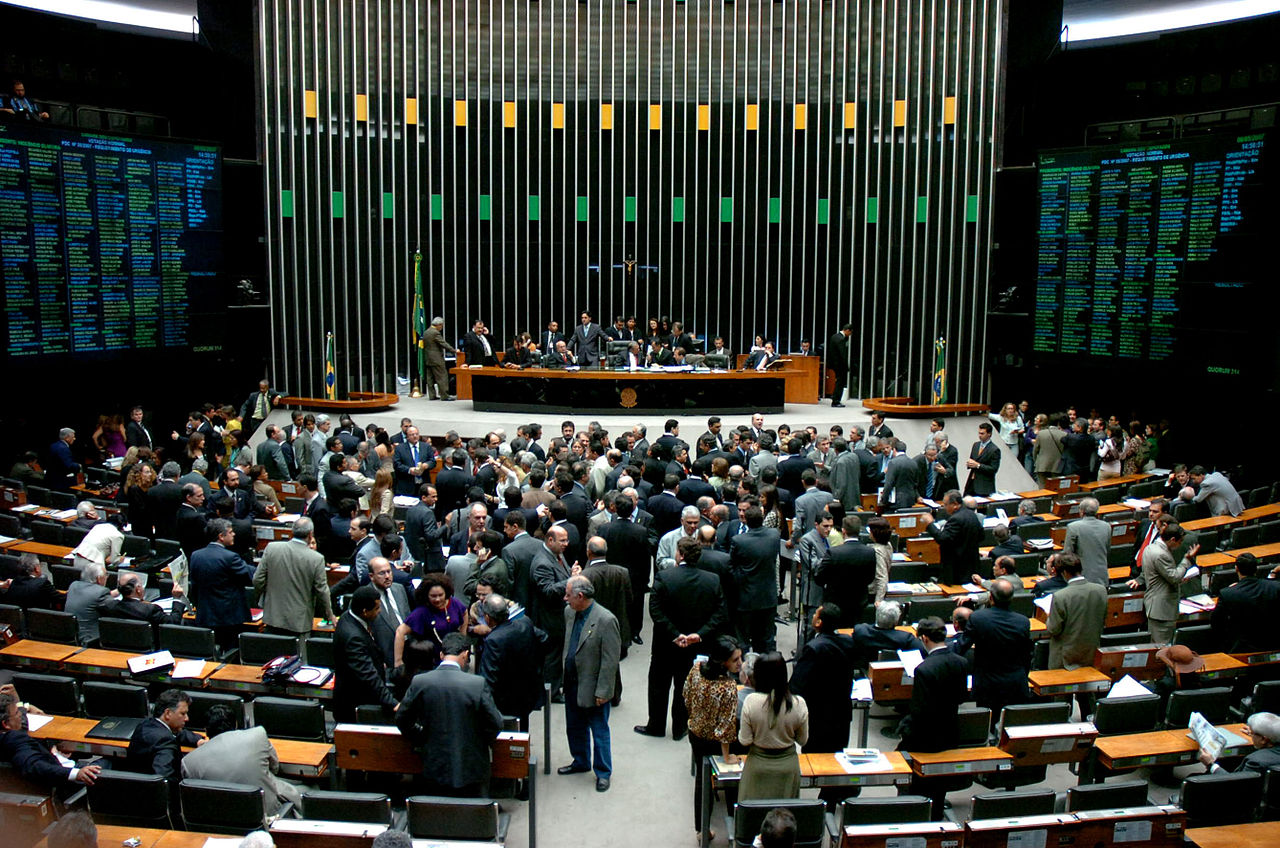
The President of the Chamber of Deputies is the presiding officer of Brazil's lower legislative house. The office coordinates the work of the Chamber of Deputies, represents it externally and enforces the internal rules. As the speaker, the holder combines procedural leadership with administrative duties and political influence within the National Congress of Brazil.
Image gallery
10 Images



Functions and powers
Responsibilities are set by the Constitution and the Chamber's internal regulations. The president presides over sessions, decides questions of order, controls the agenda and the timing of debates, and signs acts issued by the house. The office also has important administrative authority over the chamber's bureaucracy and budget.
- Organize and preside over plenary sessions
- Manage the legislative agenda and bill processing
- Represent the chamber in relations with the executive, the senate and foreign bodies
- Exercise discipline and interpret procedural rules
The president may also preside in specific joint sittings of the Congress and handles formal communications with other state institutions. In practice, the occupant often influences which proposals advance and the pace of legislative work.
Election, term and role in major procedures
Members of the Chamber elect the president from among deputies for a two-year term; the selection process is internal to the house and reflects party negotiations and alliances. The office is central in high‑profile processes: it plays a procedural role in the initiation and management of impeachment petitions and occupies a position in the presidential line of succession after the vice-president.
History and political significance
The position evolved with Brazil's republican institutions and has become one of the most visible offices in the legislative branch. Holders of the post combine legal procedural duties with political leadership, often mediating between parties and coordinating coalition arrangements. The president's influence depends on personal authority, party backing and the broader balance of power in the lower house and the speaker's relationships across government.
Related articles
Author
AlegsaOnline.com President of the Chamber of Deputies (Brazil) Leandro Alegsa
URL: https://en.alegsaonline.com/art/78880