
National Congress of Brazil
The bicameral federal legislature of Brazil, composed of the Chamber of Deputies and the Federal Senate, seated in Brasília and responsible for making laws, oversight, and constitutional functions.
The National Congress of Brazil is the country’s federal legislative body. Operating as a bicameral parliament, it combines two separate chambers with distinct powers and procedures. The institution sits in Brasília’s iconic Congresso Nacional complex on the Praça dos Três Poderes and performs lawmaking, budgetary, and oversight duties central to Brazil’s democratic system.
Image gallery
10 Images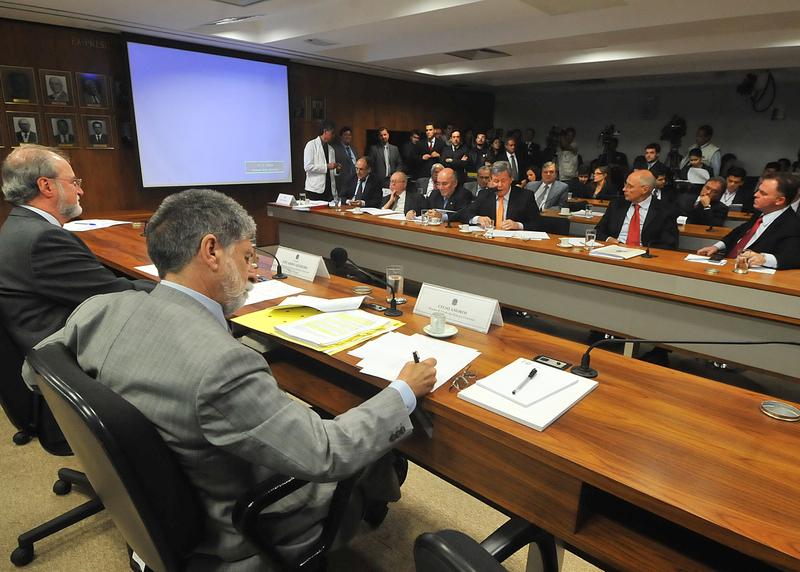




Structure and membership
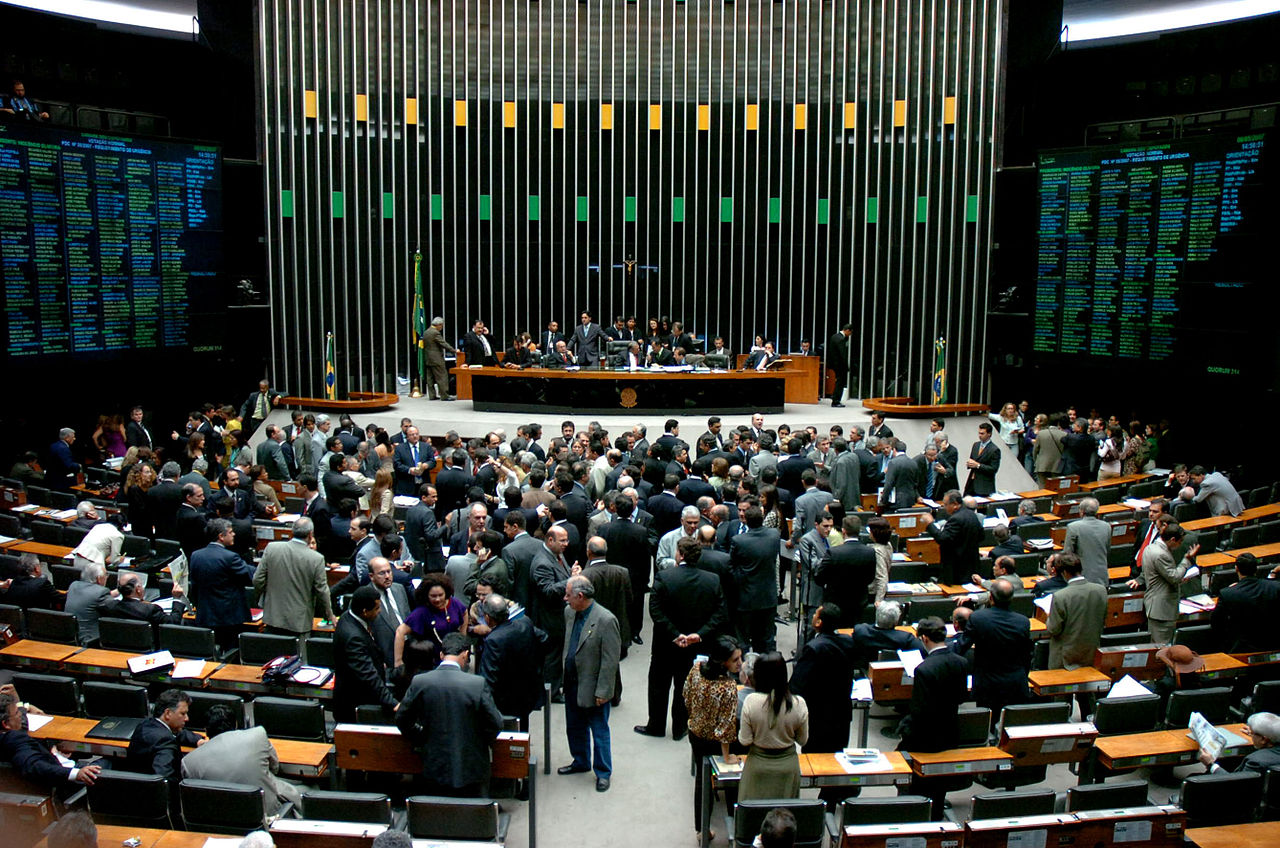
The Congress is made up of two houses with complementary roles. The lower house, the Chamber of Deputies, represents the population and is elected by proportional vote for four-year terms. The upper house, the Federal Senate, represents the federative units — each state and the Federal District — with senators serving longer, staggered terms to provide continuity.
- Chamber of Deputies: Deputies propose, debate and vote on a wide range of legislation, including the federal budget and revenue measures. Representation is weighted by population within constitutional limits.
- Federal Senate: The Senate reviews and can amend or reject most legislation from the lower house, approves certain presidential appointments and treaties, and acts as a court of impeachment for high offices.
Functions and legislative process
The National Congress enacts federal law, approves the national budget, authorizes public borrowing, and supervises government action through hearings, inquiries and commissions. Most bills may originate in either chamber, though the Constitution assigns specific exclusive powers to each house (for example, budgetary bills customarily begin in the Chamber of Deputies).
Lawmaking typically follows these steps: introduction and committee review, debate and voting in one chamber, transmission to the other chamber for consideration, and, if approved by both, promulgation by the executive. For constitutional amendments and certain urgent measures, special quorums and procedures apply.
History, location and architecture
The modern Congress has institutional roots in Brazil’s 19th-century parliamentary bodies but was redefined by successive constitutions. Its seat moved to Brasília when the new capital was inaugurated in 1960. The twin-tower complex with two domes, designed by architect Oscar Niemeyer, has become a national symbol: the concave dome of the Chamber of Deputies and the convex dome of the Senate flank two vertical towers.
Importance, oversight and notable roles
Beyond lawmaking, the Congress exercises political oversight by summoning ministers, conducting investigations, and giving consent on key nominations. The Senate’s power to try impeachments and to confirm certain appointments gives it a constitutional role that can shape executive authority. Congressional activity is often a focal point during major political events and public demonstrations.
Distinctive features and public access
The combination of population-based representation and equal state representation aims to balance regional interests with national policymaking. Sessions, committee meetings and many documents are publicly accessible, reflecting transparency obligations under the Constitution. Visitors can observe debates and tour the building under regulated conditions, making the Congresso Nacional both a working legislature and a civic landmark.
Questions and answers
Q: What is the National Congress of Brazil?
A: The National Congress of Brazil is the national parliament of Brazil.
Q: How many chambers does the National Congress of Brazil have?
A: The National Congress of Brazil is bicameral, consisting of two chambers - the Chamber of the deputies and the Senate.
Q: Who is the president of the National Congress of Brazil?
A: The president of the senate is also the president of the National Congress of Brazil.
Q: When was the National Congress of Brazil created?
A: The National Congress of Brazil was created in 1825.
Q: How long is the term of the deputies in the Chamber of the deputies?
A: The term of the deputies in the Chamber of the deputies is 4 years.
Q: How many senators are there in the Senate?
A: There are 81 senators in the Senate, with each state represented by 3 senators.
Q: Where is the headquarters of the National Congress of Brazil located?
A: The headquarters of the National Congress of Brazil are located in the plaza of the three powers (praça dos três poderes).
Related articles
Author
AlegsaOnline.com National Congress of Brazil Leandro Alegsa
URL: https://en.alegsaonline.com/art/68570