
President of Suriname
The President of Suriname is the constitutional head of state and government and commander-in-chief. The office, defined by the 1987 constitution, oversees executive policy, foreign representation and cabinet appointments.
The President of the Republic of Suriname is the country's chief public official, combining the roles of head of state and head of government. The office is defined in the Constitution of 1987 and is the focus of national executive authority. In Dutch the post is known as the President van de Republiek Suriname. The president represents Suriname domestically and abroad and serves as commander-in-chief of the national armed forces.
Image gallery
10 Images


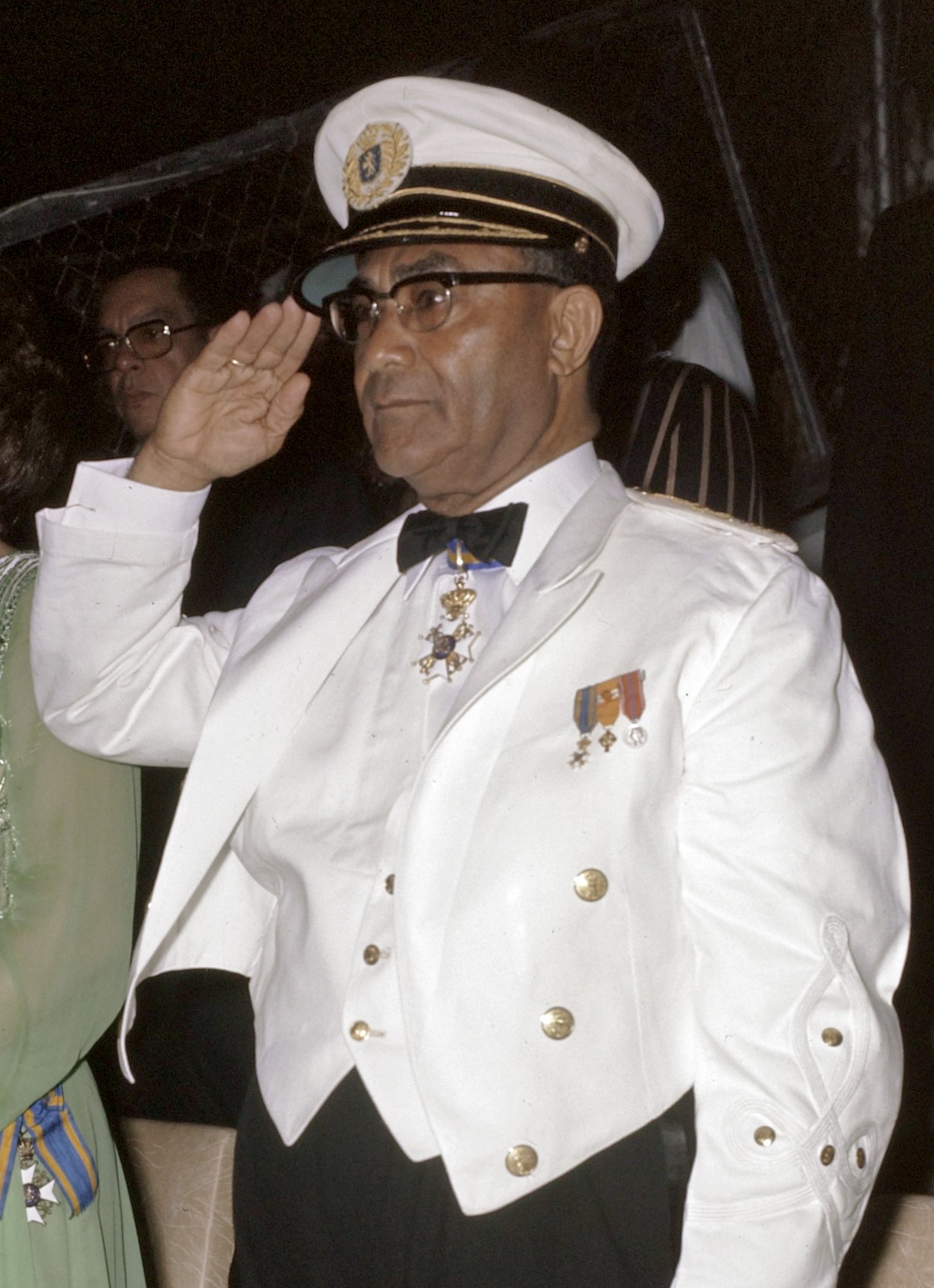

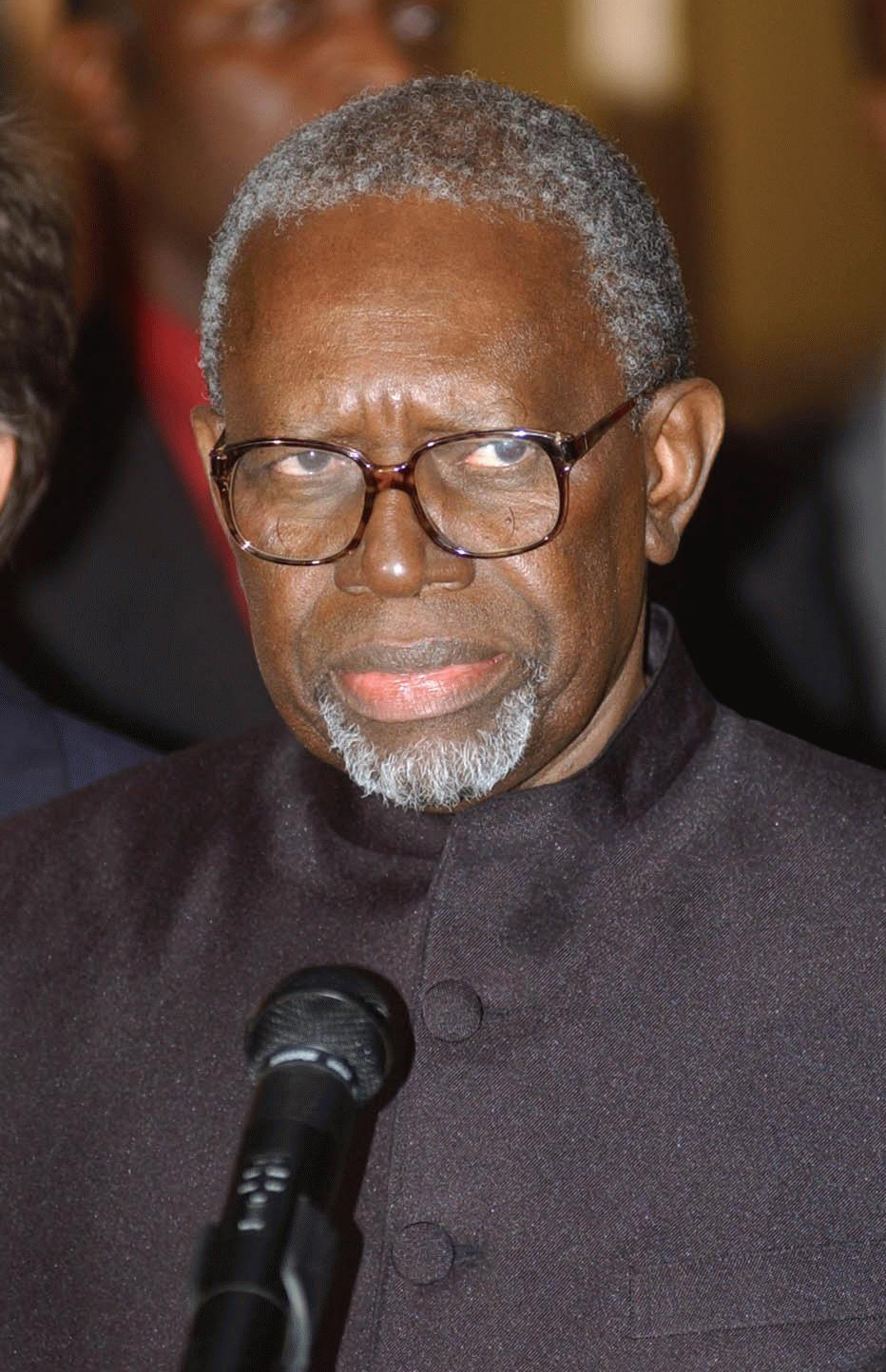

Election and term
The president is chosen through a parliamentary-based procedure centered on the National Assembly. A qualified majority is required to elect a candidate; if that threshold cannot be met, the process may move to a broader representative body to reach a decision. The office is held for a fixed term and incumbents may stand for re-election under the constitutional rules.
Powers and duties
- Leads the executive branch and sets overall government policy as the head of government.
- Appoints and dismisses cabinet ministers and other senior officials, within constitutional and parliamentary constraints.
- Signs and promulgates laws, represents the nation in foreign relations, and directs national defense as commander-in-chief.
The president normally operates from the capital, Paramaribo, where the official seat and ceremonial residence are located. Daily governance is carried out through the cabinet and civil service, with the president accountable to the legislature and to constitutional law.
Background and notable aspects
The office developed after Suriname's independence in 1975 and was reestablished in its present constitutional form in 1987 following a period of military rule. The structure balances parliamentary influence with a strong executive role, making the presidency central to political stability and international representation. Removal or replacement procedures are specified in the constitution to ensure legal continuity.
The presidency combines symbolic duties with practical authority over policy, appointments, and national security, and remains a key institution in Suriname's political system.
Related articles
Author
AlegsaOnline.com President of Suriname Leandro Alegsa
URL: https://en.alegsaonline.com/art/78877
Sources
- starnieuws.com : "Starnieuws - Salaris alle ministers is ruim SRD 15.000 netto"
- bfmtv.com : "Qui sont les chefs d'État les mieux rémunérés au monde?"
- gov.sr : gov.sr