
President of North Macedonia
Head of state of the Republic of North Macedonia: role, powers, election rules, history since 1991, and notable officeholders in the country's parliamentary system.
Overview
The president of the Republic of North Macedonia is the country's head of state. The office was established after the Macedonian declaration of independence in 1991 and performs constitutional, ceremonial and representative functions. In practice North Macedonia is a parliamentary republic in which day-to-day political authority rests mainly with the prime minister and the government; the presidency nonetheless carries symbolic weight and specific constitutional powers.
Image gallery
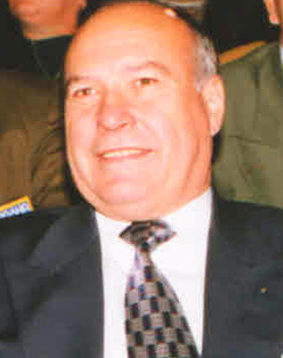
10 Images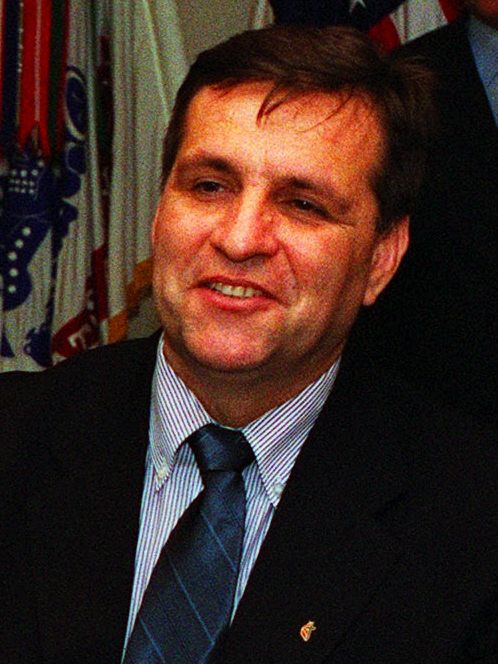




Powers and responsibilities
The constitutional role of the president combines representative duties with several formal powers. Typical responsibilities include:
- representing the state in international relations and accrediting foreign diplomats;
- promulgating laws adopted by the Assembly and, in some cases, returning them for reconsideration;
- serving as commander-in-chief of the armed forces in a largely ceremonial capacity;
- granting pardons, awarding state honors, and exercising other prerogatives set out in law;
- participating in the process of forming governments through consultations or formal nominations where the constitution requires it.
Many of these actions require cooperation with the Assembly (parliament) or the government; the president does not normally run day-to-day policy.
Election, term and eligibility
The president is chosen by direct popular vote for a term of office established in the constitution. Elections typically require an absolute majority; if no candidate achieves this in the first round, a runoff between the top two candidates is held. The constitution sets eligibility criteria: a candidate must be a citizen of North Macedonia, at least 40 years old, and have resided in the country for a specified period before the election. Re-election rules and term limits are also defined in law.
History and notable presidents
The modern presidency began with the first head of state after independence in 1991. Kiro Gligorov, the inaugural president, led the office through the early years of statehood and remained a prominent national figure. Other presidents have included leaders who served during periods of political change and international negotiation. Some presidencies have been marked by close interaction with the government on issues such as international recognition, EU and NATO integration, and the international agreement that changed the country's constitutional name to North Macedonia in 2019.
- Kiro Gligorov — first president after independence and a key figure in the early 1990s.
- Successors and contemporary holders have varied in political influence and public profile.
Relationship with other institutions
The presidency coexists with the Assembly and the office of the prime minister. In North Macedonia's parliamentary system the prime minister is generally the central political actor, responsible for executive governance. The president's role is complementary: providing national representation, constitutional oversight and continuity of the state rather than daily governance.
Succession, controversies and notable facts
Constitutional provisions govern temporary incapacity and vacancies in the office; duties may be assumed by other constitutional actors, for example the speaker of the Assembly. The presidency has occasionally been a focal point in public debates over national identity and foreign policy, and certain occupants have played visible parts in high-profile agreements and crises. For information in Macedonian language sources see Мacedonian materials; for general constitutional context see head of state and country-level resources on North Macedonia.
The office remains an important symbol of statehood and continuity, combining ceremonial duties with limited but significant constitutional functions in the country’s democratic framework.
Related articles
Author
AlegsaOnline.com President of North Macedonia Leandro Alegsa
URL: https://en.alegsaonline.com/art/78857
Sources
- dnevnik.com.mk : "www.dnevnik.com.mk" · web.archive.org
- sarajevotimes.com : "Infographic: What are the Monthly Salaries of Presidents in the Region"
- sobranie.mk : Constitution of the Republic of Macedonia