
President of Pakistan
Head of state of Pakistan: a constitutionally defined office with largely ceremonial duties, elected by an electoral college; its powers have varied with constitutional amendments and military rule.
The President of Pakistan is the country's formal head of state and a symbol of national unity. The office exists within Pakistan's parliamentary system: executive authority is exercised by the prime minister and cabinet, while the president performs constitutional, representative and ceremonial functions. The nature and extent of the president's authority have changed repeatedly through constitutional amendments and episodes of military rule.
Image gallery
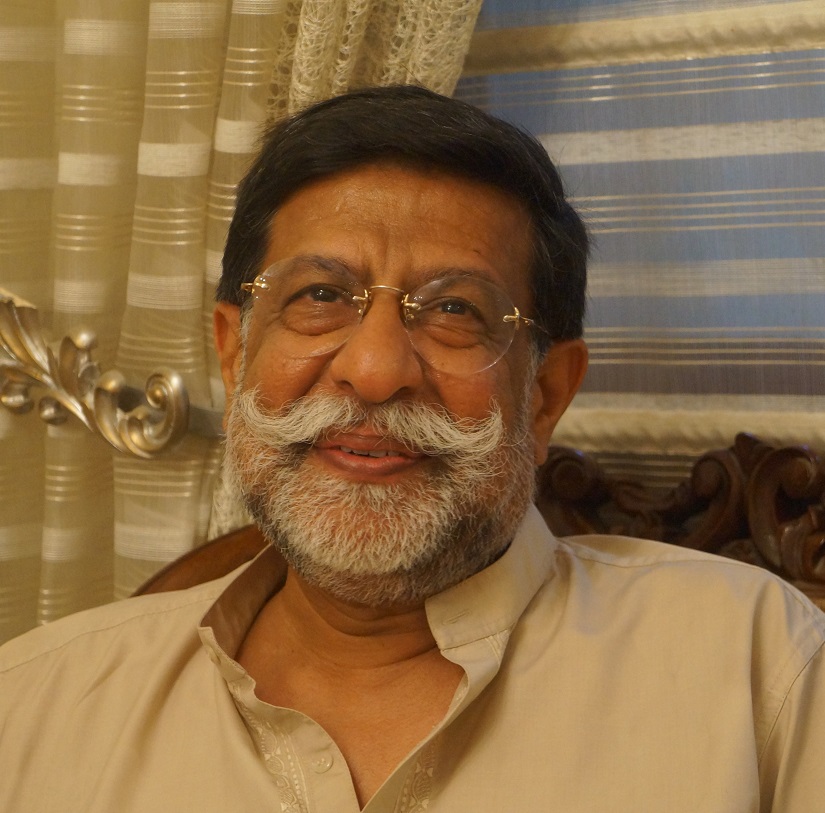
10 Images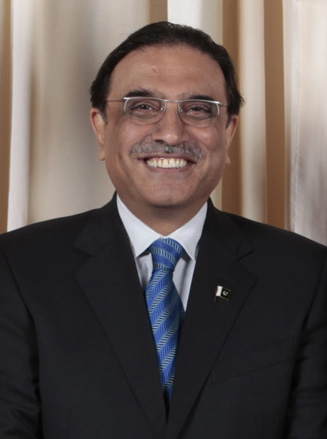






Election, term and eligibility
The president is chosen by an Electoral College composed of the Senate, the National Assembly and the provincial assemblies. Elections are conducted by secret ballot under provisions set out in the Constitution. The office is held for a fixed term as specified by the constitutional framework and the incumbent may be re-elected or succeed to the office according to those rules. Formal eligibility criteria and the procedures for nomination and swearing-in are established by constitutional law and related statutes.
Powers and functions
In theory the president performs several standard head-of-state duties: signing legislation into law, giving assent to bills, representing Pakistan on state visits, receiving credentials from foreign envoys and granting clemency. The constitution also attributes certain appointment powers and roles in judicial and military matters, although many of these acts are performed on the advice of the prime minister or other constitutional bodies.
- Legislative role: assent or return of bills and ceremonial addresses to parliament.
- Appointments: formal appointment of the prime minister, judges and governors, typically following constitutional procedures and political conventions.
- Representative duties: foreign diplomacy and national ceremonies.
Because Pakistan is a parliamentary state, most executive power rests with the prime minister. The balance between the president and prime minister has shifted over time through amendments and extraordinary measures.
History and constitutional development
After independence the country was initially headed by a governor-general until the republican constitution created the presidential office. Over decades the role has expanded and contracted: at times presidents assumed sweeping authority—often during or following military takeovers—while periods of democratic reform and constitutional amendment have returned many powers to parliament and the prime minister. These changes reflect Pakistan's broader political history and the interplay between civilian institutions and the military.
For more detailed information on the office and its evolution, consult official constitutional texts and authoritative analyses. Key institutional references include the document that defines the office, the Constitution, and parliamentary bodies such as the Senate and the National Assembly. The presidency is described in relation to the country's status as a state and the role of the head of state, while the practical relationship with the prime minister is central to understanding how Pakistan is governed. For a general overview of the office itself, see the entry on the President.
Questions and answers
Q: Who is the head of state of Pakistan?
A: The president of Pakistan is the head of state.
Q: What is the form of government in Pakistan?
A: Pakistan has a parliamentary form of government.
Q: Who chooses the President of Pakistan?
A: The President of Pakistan is chosen by the Electoral College.
Q: What is the Electoral College made up of in Pakistan?
A: The Electoral College in Pakistan is made up of the Senate, National Assembly, and the provincial assemblies.
Q: What is the term of the President of Pakistan?
A: The President of Pakistan serves for a five-year term.
Q: What is the role of the President of Pakistan?
A: The role of the President of Pakistan has usually been one of a figurehead, with real power being given to the Prime Minister.
Q: Why has the power of the President of Pakistan changed over the years?
A: The power of the President of Pakistan has changed over the years due to the military changing the role.
Related articles
Author
AlegsaOnline.com President of Pakistan Leandro Alegsa
URL: https://en.alegsaonline.com/art/78859
Sources
- presidentofpakistan.gov.pk : President of Pakistan: Official Website