
President of Russia
Comprehensive overview of the office of the President of the Russian Federation: role, constitutional powers, election and succession, history, and notable features.
The President of Russia is the country's chief public official who represents the state and leads the federal executive branch. In official terms the office combines functions of a head of state and a principal guide of national policy, while also serving as the head of the executive at the federal level. The presidency operates within the legal framework of the Russian Constitution and acts on behalf of the Russian Federation in domestic and international affairs. The president is also the commander in chief of the armed forces and a central figure in directing defence and foreign policy.
Image gallery
10 Images


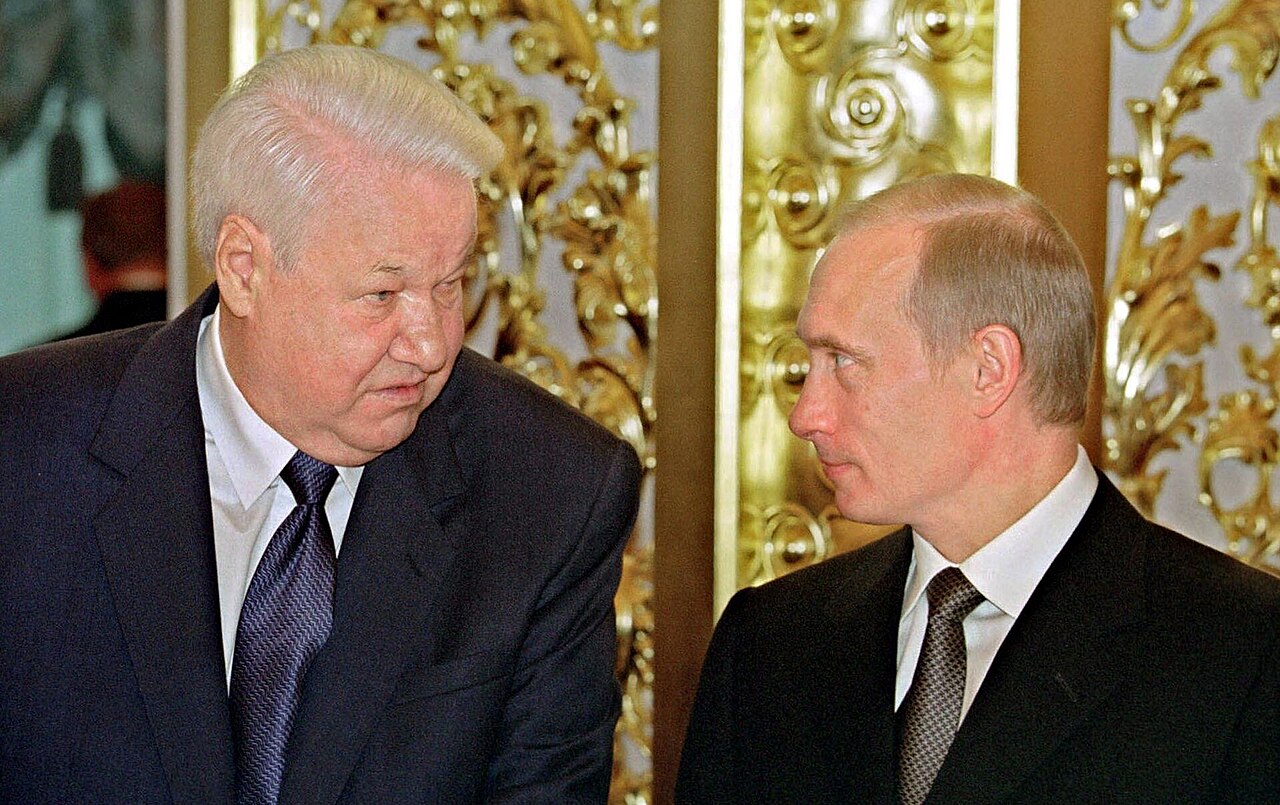
Powers and duties
The Constitution sets out the president's principal responsibilities and authorities, which include making key appointments, shaping foreign policy, and ensuring the uniform functioning of federal bodies. Typical competencies include:
- Issuing decrees and executive orders that carry force unless they contradict existing law.
- Proposing legislation to the federal legislature and returning laws with vetoes in certain circumstances.
- Appointing the Prime Minister with the lower house's approval and nominating other senior officials, including judges and security heads.
- Commanding the armed forces and overseeing national defence policy.
- Granting pardons, receiving foreign diplomats, and representing the state internationally.
Election, term and limits
The president is elected by nationwide popular vote. A candidate must meet constitutional eligibility requirements, which include a minimum age and prescribed residence qualifications. If no candidate receives a majority in the first round, a runoff between the top two vote-getters is held. The duration of a presidential term has varied: the modern system provides for multi-year terms as defined by constitutional amendments and federal law. Historically, the rules on consecutive terms and absolute limits have been modified through legislation and constitutional change.
History and notable officeholders
The office in its current form dates from the early 1990s, following the political transformations at the end of the Soviet era. The first inauguration under the new arrangements was held on 10 July 1991 after the events that accompanied the collapse of the Soviet Union. Boris Yeltsin served as the first president. Subsequent occupants have included Vladimir Putin and Dmitry Medvedev, who have shaped the office through changes in policy and institutional practice. Key formative moments involved the adoption of the 1993 constitutional text and later amendments that adjusted term lengths and other rules. Figures such as Mikhail Gorbachev appear in the broader historical context of the period of transition.
Succession, inauguration and removal
The constitution specifies procedures for temporary and permanent vacancies. In the event of the president's death, resignation or inability to serve, the Prime Minister normally assumes the duties as acting head of state until elections are organised. Inauguration ceremonies are scheduled following an electoral victory; since 2000 the formal transfer of authority has typically taken place on 7 May, reflecting contemporary practice rather than an immutable rule. The constitution also provides mechanisms for impeachment and removal, which require substantial legislative majorities and judicial procedures.
As an institution, the presidency plays a central role in Russia's political system: it sets strategic direction, mediates among federal institutions, and represents the country abroad. The balance between presidential authority and other branches has been shaped by law, precedent and political developments since the office was established in the post-Soviet era.
Questions and answers
Q: Who is the current President of Russia?
A: The current President of Russia is Vladimir Putin.
Q: Who was the first President of Russia?
A: Boris Yeltsin was the first President of Russia.
Q: What are the duties of the Russian President listed in the 1993 Constitution?
A: The duties of the Russian President listed in the 1993 Constitution include directing foreign and domestic policy, as well as serving as commander-in-chief of the Russian Armed Forces.
Q: When did Mikhail Gorbachev resign, sealing the fate of the Soviet Union?
A: Mikhail Gorbachev resigned on 10 July 1991, sealing the fate of the Soviet Union.
Q: What happened after Mikhail Gorbachev's resignation?
A: After Mikhail Gorbachev's resignation, The Russian Soviet Federative Socialist Republic became The Russian Federation.
Q: How often does an inauguration take place for a new president in Russia?
A: Inauguration for a new president in Russia takes place every six years since 2000 (the 7th May).
Q: Who serves as acting president if there is a vacancy due to death, resignation or removal from office?
A: If there is a vacancy due to death, resignation or removal from office, then Prime Minister serves as acting president until a replacement is appointed.
Related articles
Author
AlegsaOnline.com President of Russia Leandro Alegsa
URL: https://en.alegsaonline.com/art/78865
Sources
- simple.wikisource.org : RSFSR Law "On President of the Russian SFSR
- simple.wikisource.org : RSFSR Law on amendments to the Constitution of the RSFSR