
President of Peru
The President of Peru is the nation's chief executive and ceremonial head, elected by popular vote. This article explains the office, powers, election, history, and notable recent developments.
Overview
The President of Peru (Spanish: Presidente del Perú, formally Presidente de la República del Perú) serves as both head of state and head of government in the Peruvian presidential system. The office represents the country in international affairs and leads the national executive branch. The president works alongside a council of ministers and is constrained by the constitution, the legislature and the judiciary to varying degrees.
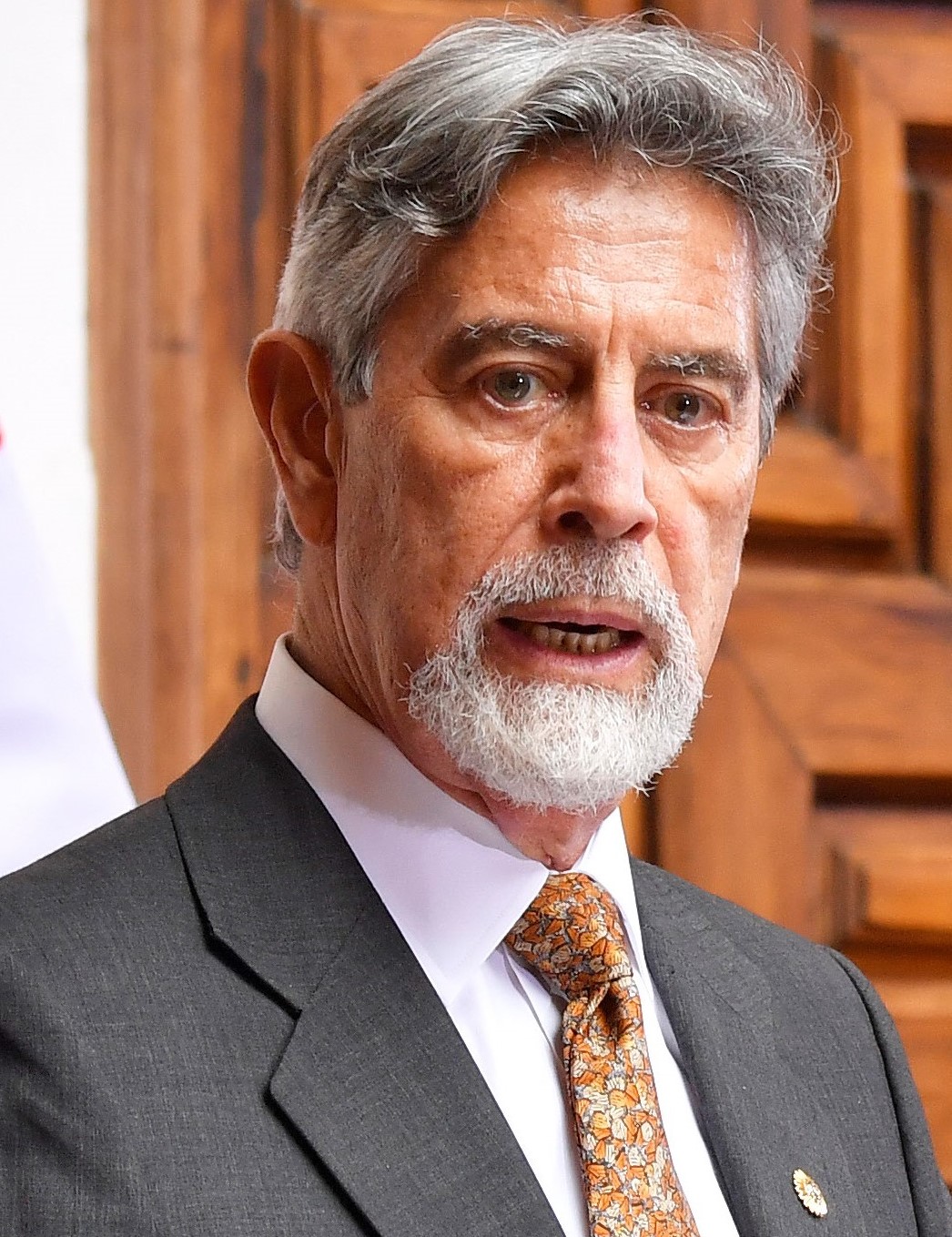
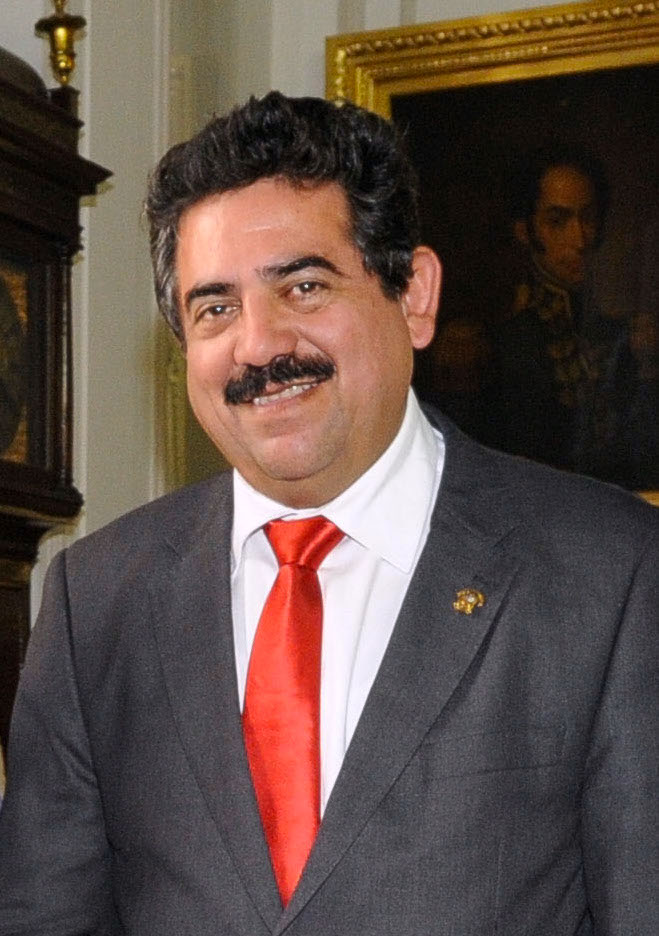
Image gallery
10 Images





Powers and responsibilities
The president is the commander-in-chief of the armed forces, can propose and promulgate legislation, appoints and dismisses cabinet ministers, and directs national policy. Major actions such as declaring states of emergency, negotiating treaties and vouching for budget proposals fall within the president's remit. At the same time, many executive decisions require collaboration with Congress or are subject to judicial review to prevent abuse of power.
Election, term and succession
Peru elects its president by popular vote. The constitution establishes the length of the presidential term, limits on immediate re-election, and procedures for inauguration. Vice presidents are elected on the same ticket to ensure continuity; if the presidency becomes vacant because of resignation, incapacity, death or removal, succession passes to a vice president and, in some circumstances, to the head of Congress until new elections are arranged. Congress also has mechanisms to remove a president through impeachment or other constitutional processes.
History and recent developments
The office traces its origins to the independence era and has evolved through periods of military rule, constitutional reform and political realignment. The modern legal framework for the presidency is set by the national constitution. In recent years the office has experienced notable turnover and political tension; for example, Pedro Pablo Kuczynski resigned in 2018 and other presidents have faced impeachment proceedings and resignations. These events illustrate the dynamic and sometimes unstable nature of Peruvian executive politics.
Distinctive features and notable facts
- The president combines ceremonial duties with significant executive authority, unlike purely ceremonial heads of state in parliamentary systems.
- Official inauguration traditionally coincides with national celebrations on 28 July in Lima, where the Government Palace is the principal executive residence.
- Key institutional checks include the National Congress, the Constitutional Court and the electoral authority; disputes about powers and succession have shaped recent constitutional debate.
Further reading
Readers looking for the constitutional text, historical lists of presidents or details on recent administrations can consult official sources and legal commentaries. For basic definitions and the office’s formal description, see the constitutional provisions and government publications about the head of state (head of state, head of government) and the country as a whole (Peru).
Related articles
Author
AlegsaOnline.com President of Peru Leandro Alegsa
URL: https://en.alegsaonline.com/art/78862
Sources
- congreso.gob.pe : "Political Constitution of Peru, Article 112"