
Kiro Gligorov: First President of the Republic of Macedonia (1991–1999)
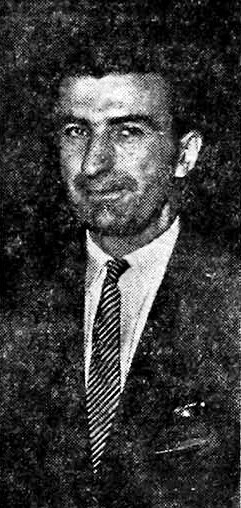
Kiro Gligorov (1917–2012) was the inaugural president of independent Macedonia, guiding the country through peaceful secession, early institution-building and international challenges during the 1990s.

Kiro Gligorov (May 3, 1917 – January 1, 2012) was a prominent Macedonian statesman who served as the first president of the newly independent Republic of Macedonia from 1991 until 1999. Known for a pragmatic and conciliatory style, he led the country through the transition from a Yugoslav republic to an independent state while emphasizing stability and diplomacy.
Image gallery
5 Images


Background and rise to leadership
Gligorov had a long career in public service and economics before becoming head of state. He built a reputation as an experienced administrator and negotiator within the political structures that existed in the region prior to independence. In 1991, at the moment when constituent republics were dissolving the Yugoslav federation, he became the figure chosen to provide continuity and legal legitimacy for the new polity.
Presidency: challenges and approach
His presidency focused on cautious institution-building, the consolidation of democratic procedures and efforts to secure international recognition. The period brought complex challenges including an international naming dispute with Greece, regional instability in the Balkans, economic transition and demands for protections for ethnic minorities. Gligorov favored diplomacy and incremental reforms over radical upheaval.
In October 1995 he survived an assassination attempt when an explosion damaged his car; he suffered injuries but returned to public life. He completed his service in 1999 and was succeeded by the next democratically elected president.
Legacy and significance
Gligorov is remembered for steering a fragile new state through a difficult decade without large-scale internal conflict, and for advocating calm, multilateral solutions to disputes. His tenure set precedents for constitutional practice and foreign policy orientation as the country sought wider international integration.
Notable facts
- His name in the Macedonian language is often shown in native script alongside the Latinized form.
- Served two terms as president and left office in 1999.
- Widely regarded as a moderate leader who prioritized diplomatic channels in crisis management.
Related articles
Author
AlegsaOnline.com Kiro Gligorov: First President of the Republic of Macedonia (1991–1999) Leandro Alegsa
URL: https://en.alegsaonline.com/art/123776
Sources
- books.google.com : The Balkans: A Post-Communist History
- books.google.bg : p. 290.