
President of Portugal
The President of the Portuguese Republic is the nationally elected head of state, combining ceremonial duties with constitutional reserve powers such as appointing the prime minister and dissolving parliament.
The President of the Portuguese Republic is the country's head of state and a central figure in Portugal's semi-presidential system. The office is officially known in Portuguese as the Presidente da República Portuguesa. While many duties are ceremonial, the president also holds important constitutional powers and responsibilities that can shape government formation and national policy.
Image gallery
10 Images




Election and tenure
The president is chosen in a nationwide popular vote by universal suffrage. Elections normally use a two-round system: if no candidate wins an absolute majority in the first round, a runoff is held between the top two candidates. The mandate is for a fixed term; reelection is permitted and successive terms have been served by several incumbents. The office represents national continuity and legitimacy between electoral cycles.
Powers and functions
- Appointment and confidence: The president appoints the prime minister and, on the prime minister's proposal, appoints other members of the government, guided by election results and parliamentary arithmetic.
- Legislation and oversight: Laws passed by the Assembly of the Republic must be promulgated by the president; the president can return a bill for reconsideration, refer it to the Constitutional Court, or veto on constitutional grounds.
- Parliamentary dissolution: In certain circumstances the president may dissolve the Assembly of the Republic and call early elections, a reserve power invoked in political crises.
- Defence and foreign affairs: The president is commander-in-chief of the armed forces and represents the state internationally, accrediting ambassadors and ratifying treaties.
- Other prerogatives: Presiding over the Council of State, granting pardons, and using discretionary powers in emergencies or constitutional deadlock.
History and development
The office emerged after the 1910 revolution that ended the monarchy and established the Portuguese Republic. Its role was substantially redefined following the 1974 Carnation Revolution and the 1976 Constitution, which created the modern semi-presidential framework. Since then the presidency has alternated between more ceremonial incumbents and those who actively used reserve powers during periods of political instability.
Office, symbols and contemporary practice
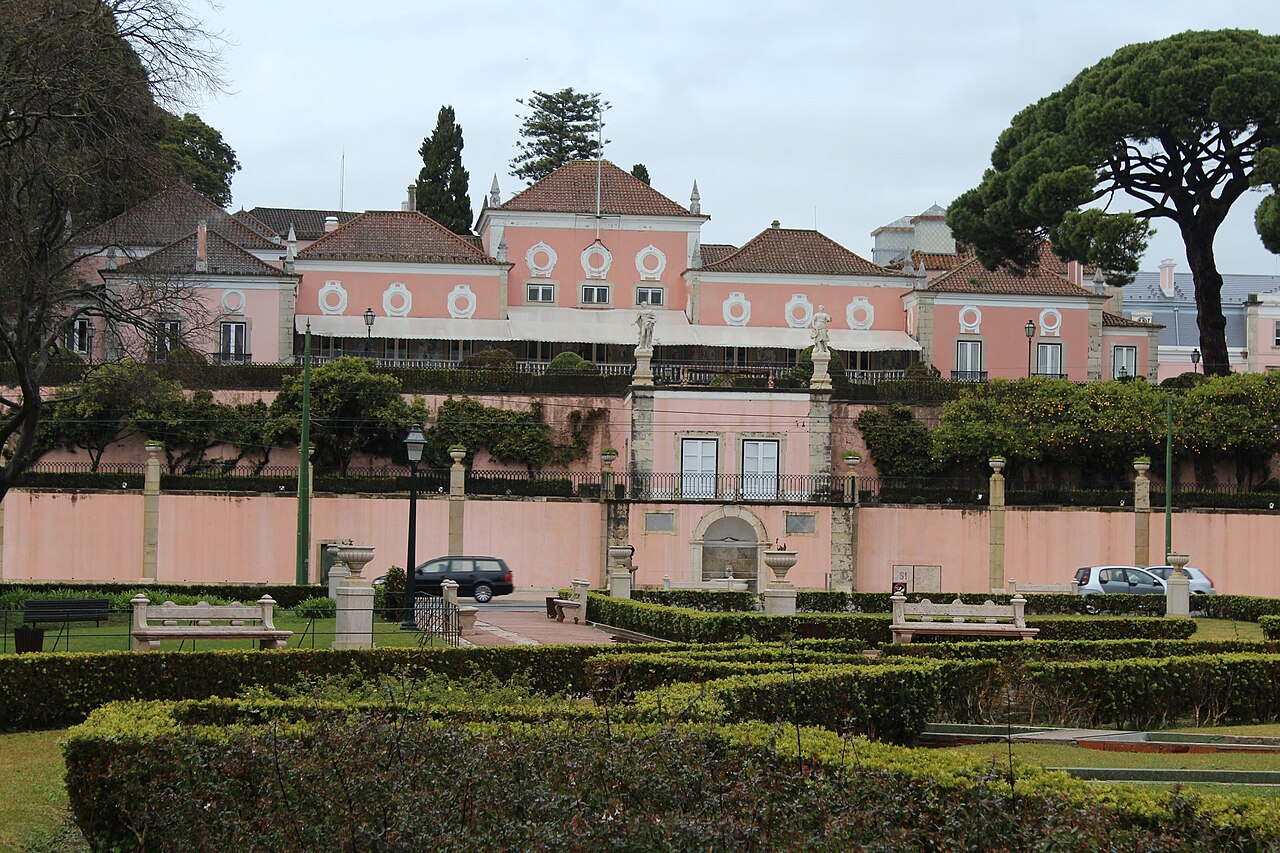
The president's official residence and workplace is the Belém Palace in Lisbon. The holder chairs the Council of State, a consultative body, and uses a presidential standard and other symbols of state. In recent decades presidents such as Mário Soares, Aníbal Cavaco Silva and Marcelo Rebelo de Sousa have exemplified different styles of exercising the office — from political mediation to active involvement in public debate. The current president, Marcelo Rebelo de Sousa, took office in 2016 and has been a prominent public figure since.
Distinctive features
Portugal's president combines ceremonial representation with real constitutional tools that can resolve crises or influence government formation. This mix means the office plays a stabilizing role: largely symbolic in day-to-day politics but decisive when parliamentary majorities fracture or when constitutional questions arise. For concise references on constitutional powers, see the official descriptions of the executive role and the head of state functions in modern constitutions, and consult general information on Portugal for national context.
Related articles
Author
AlegsaOnline.com President of Portugal Leandro Alegsa
URL: https://en.alegsaonline.com/art/78863
Sources
- un.int : "United Nations Protocol and Liaison Service Public List: Heads of State - Heads of Government - Ministers For Foreign Affairs"
- observador.pt : "E agora um tema sensível: os políticos são mal pagos?"