
President of Nicaragua
Article describing the office of the President of Nicaragua: role, powers, historical development, election and notable facts about its evolution since the 19th century.
Overview
The President of Nicaragua (Spanish: Presidente de Nicaragua) — formally the President of the Republic of Nicaragua (Presidente de la República de Nicaragua) — is the nation's chief public official and the principal figure of the executive branch. The office functions as the country's highest representative at home and abroad and is central to the administration of government policy and public affairs. The modern presidency was established by a constitutional framework in the mid-19th century; earlier republican-era leaders used different titles such as Jefe de Estado.
Image gallery
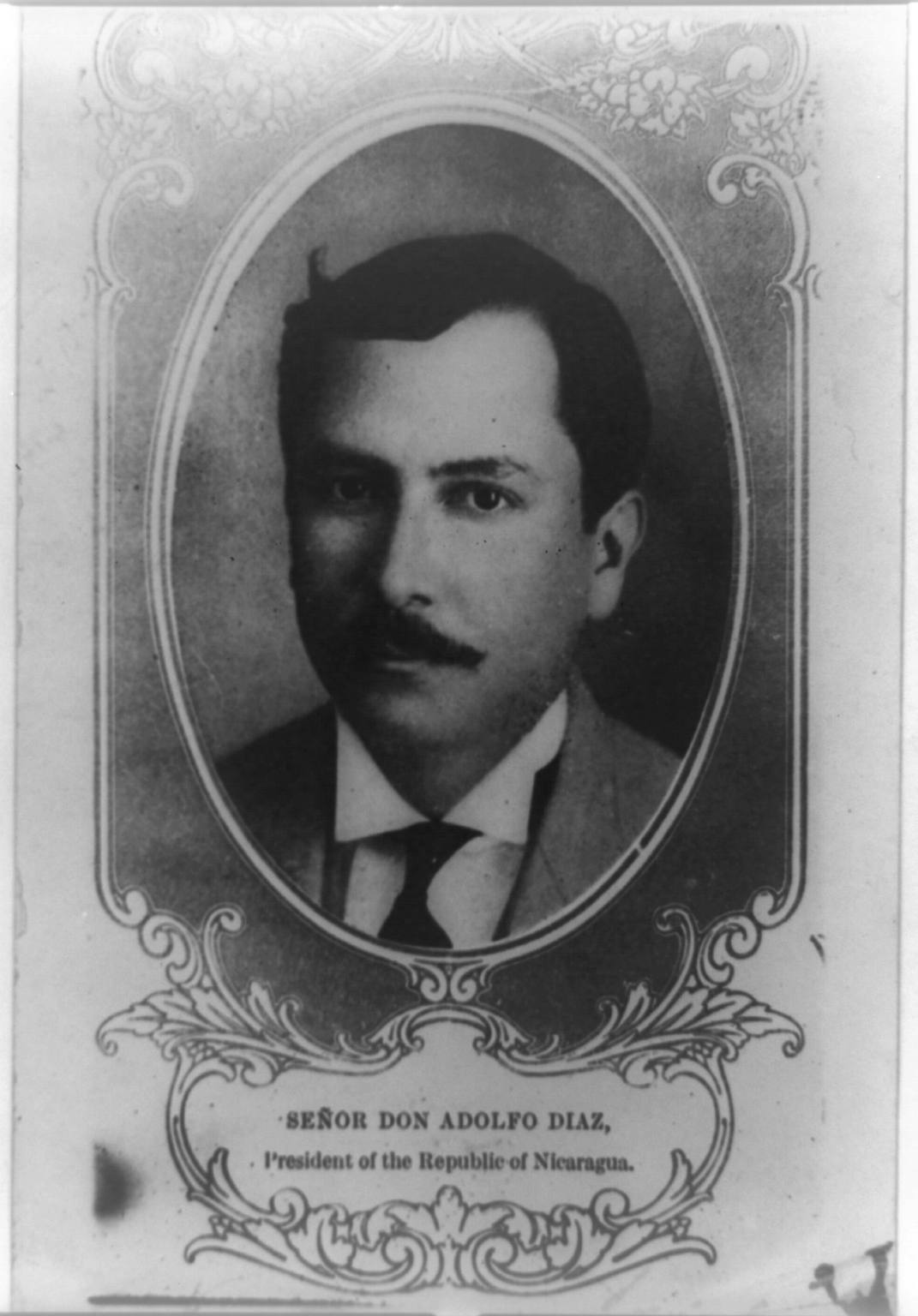
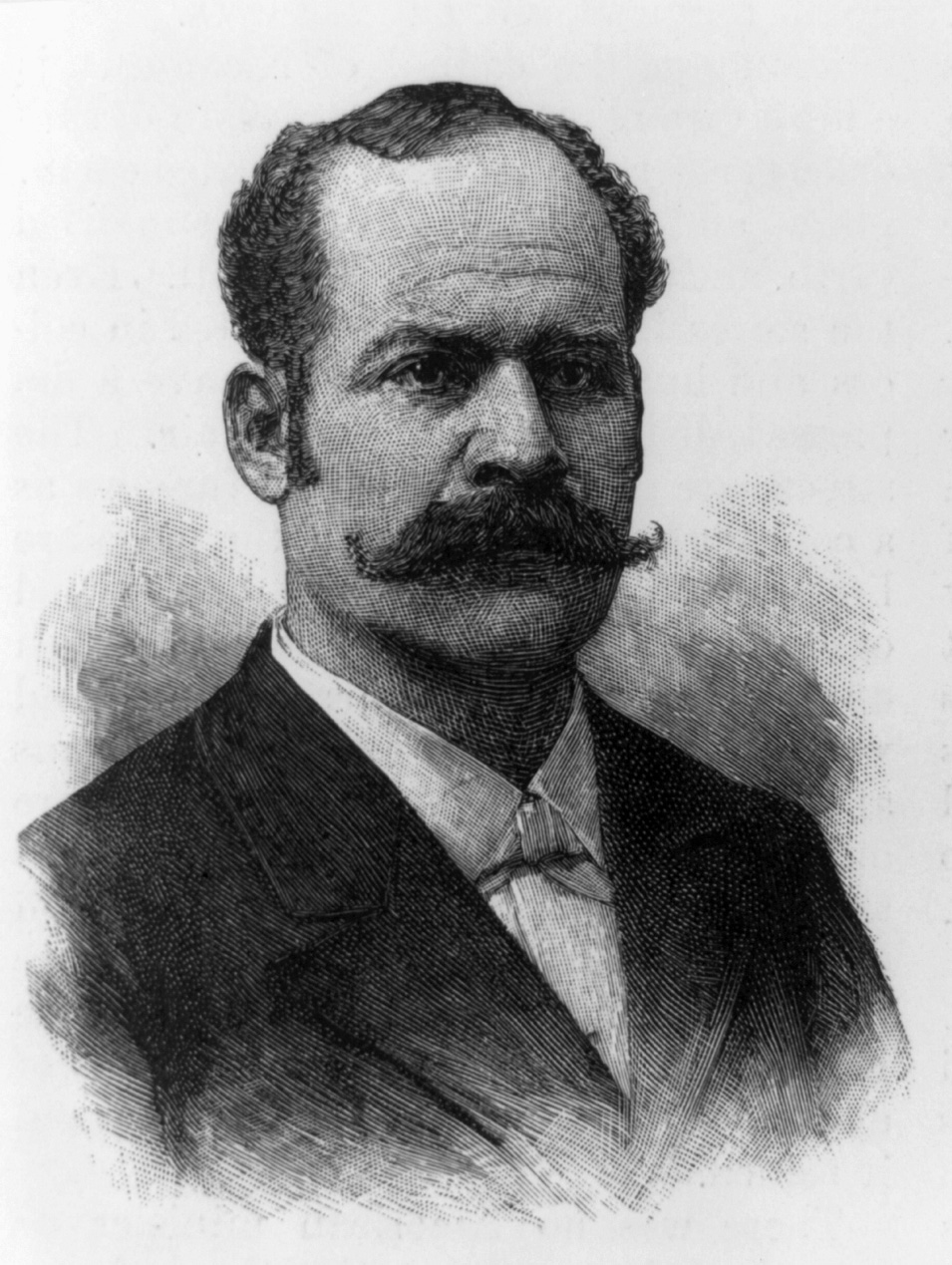
10 Images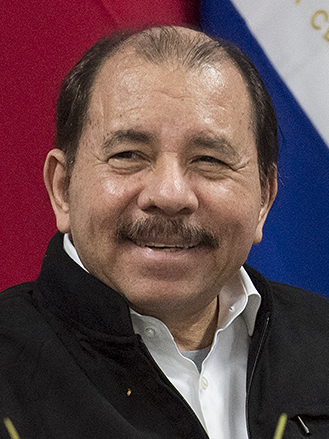






Powers and responsibilities
The specific authorities of the president are defined by Nicaragua's constitution and laws, but the office typically includes these core duties:
- Leading the executive branch and supervising cabinet ministers and public administration.
- Representing the state in foreign relations and concluding international agreements subject to legislative procedures.
- Serving as commander-in-chief of the armed forces and overseeing national defense policy.
- Proposing legislation, submitting budgets, and exercising veto or promulgation powers in relation to the legislature.
- Appointing officials, judges in certain systems, and exercising clemency within legal limits.
Historical development
The office evolved from early republican structures after independence from Spain and the decline of the Central American Federation. From 1825 until the late 1830s, the chief republican authority in Nicaragua was often styled Head of State (Jefe de Estado). A distinct presidential office was created by later constitutional reforms in the 19th century, notably with a written constitution enacted in 1854 that formalized the title and institutional framework. During the 20th century the presidency was a focal point of political conflict, including periods of authoritarian rule, external intervention and revolutionary change. In 1979 a major political transition occurred when the Somoza regime was overthrown and new revolutionary authorities reshaped state institutions; subsequent constitutions and reforms in the late 20th century further altered the office's legal basis.
Election, eligibility and term
Under Nicaragua's republican system the president is elected by popular vote in a national contest governed by constitutional and electoral law. Eligibility criteria, term lengths, re-election rules and procedures for succession are set by the constitution and have changed at different historical moments. These legal provisions determine how candidates qualify, how ballots are organized and how transitions of power occur when an incumbent leaves office, is incapacitated or otherwise unable to serve.
Role in politics and notable facts
The presidency is the most visible political institution in Nicaragua and shapes public policy across economic, social and security domains. It mediates between competing social forces, international partners and domestic institutions such as the legislature and judiciary. For Spanish-language sources or official usages the title appears as Presidente de la República — a phrase commonly found in constitutional texts and state communications. For more background on constitutional history and executive functions see constitutional references, discussions of the office as head of state at head of state sources, and general country context at country overview materials.
Distinctions and comparisons
In comparative perspective the Nicaraguan presidency resembles other presidential systems in Latin America where a single elected individual concentrates executive authority but remains constrained by constitutional checks, political opposition and institutional norms. Over time, legal reforms and political practice have altered the balance of powers; historians and analysts therefore treat the office both as a legal position and as a political institution shaped by broader historical forces.
Related articles
Author
AlegsaOnline.com President of Nicaragua Leandro Alegsa
URL: https://en.alegsaonline.com/art/78855