
President of Nigeria
The President of Nigeria is the nation’s head of state, head of government and commander-in-chief. This article outlines the office, powers, selection, history, and contemporary role.
Overview
The President of Nigeria serves as both head of state and head of government and is the chief executive of the federal republic. The office combines ceremonial and executive authority and is recognized by the 1999 Constitution. The president also acts as commander-in-chief of the Armed Forces and represents Nigeria in international affairs. For a general introduction see the presidency.
Image gallery
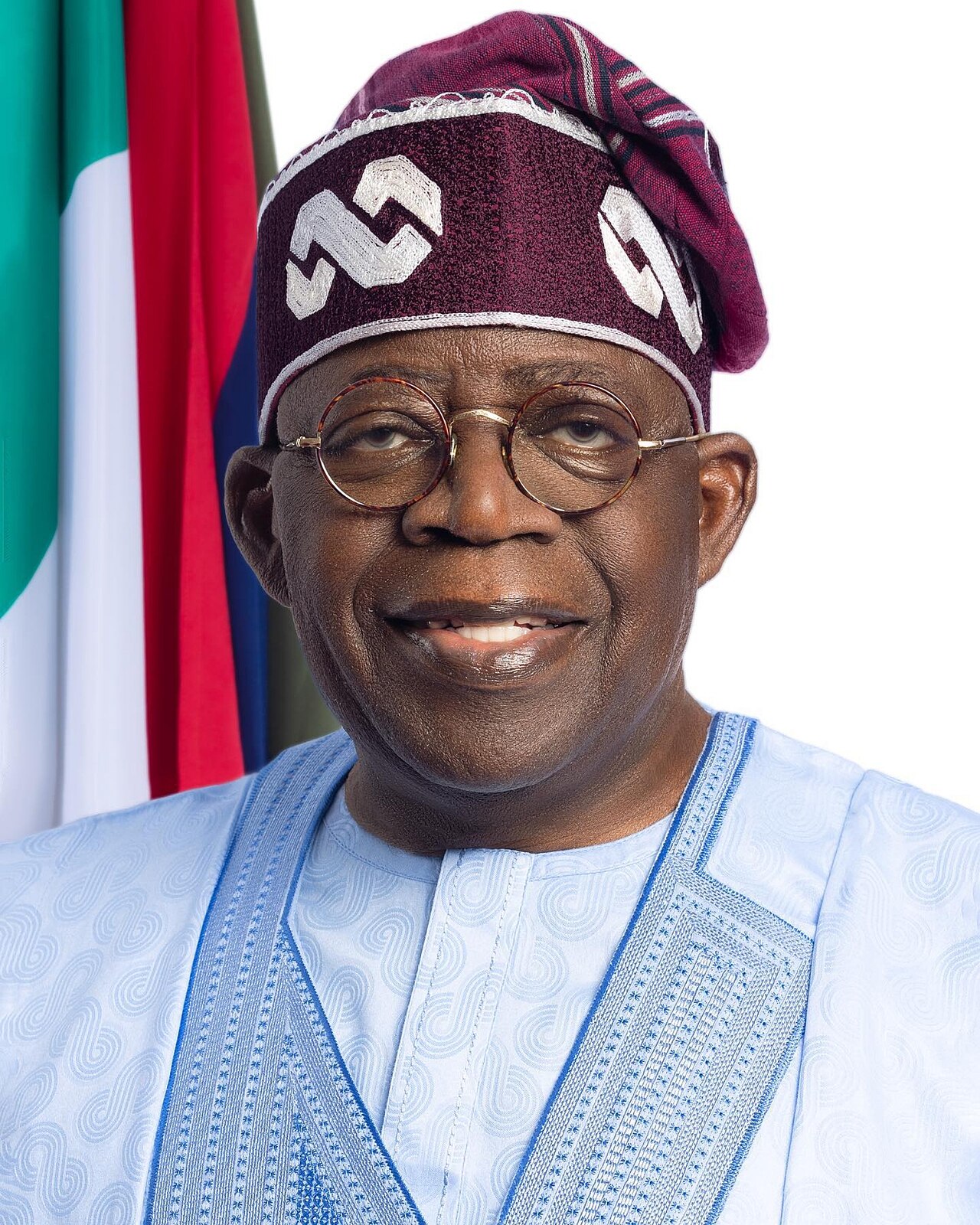
3 Images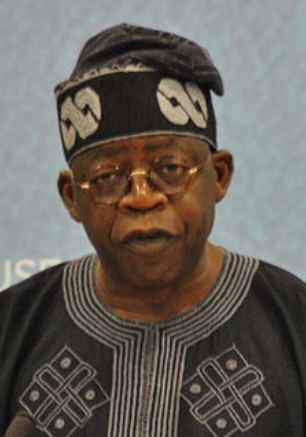

Powers and responsibilities
The constitution assigns the president a range of executive functions. Key duties include appointing federal ministers and senior officials (typically with legislative confirmation), signing or returning legislation, directing national policy, and overseeing the federal administration. The president may declare a state of emergency subject to constitutional limits and works with the legislature on budgets and laws.
Election, term and succession
The president is elected by popular vote under rules set by the constitution and electoral law. The office is paired with a vice president who succeeds the president in case of death, resignation, or incapacity. The constitution provides procedures for impeachment and temporary transfer of power to ensure continuity.
History and development
The modern Nigerian presidency traces back to the early years after independence; the country has alternated between civilian and military rule in its post‑colonial history. The republican presidency was first held by Nnamdi Azikiwe. Civilian democratic governance was restored at the end of military rule, and the office has since evolved with constitutional amendments and democratic practice.
Role in practice and significance
In practice the president shapes national priorities, foreign policy, and crisis response while balancing relations with the National Assembly, state governments and the judiciary. Presidents often use appointments and policy initiatives to pursue economic, security, and social goals. Contemporary occupants of the office are prominent figures in domestic politics and regional diplomacy; see the current officeholder, Bola Tinubu, for recent leadership context.
Notable distinctions
- The Nigerian president holds combined roles usually split between separate head of state and head of government in other systems.
- Power is limited by constitutional checks: the legislature, independent courts and electoral rules.
- The vice presidency and formal succession rules are central to stability during transitions.
The presidency remains a central institution in Nigeria’s federal structure, reflecting the country’s size, diversity and political evolution. For further detail consult constitutional texts and reputable summaries of Nigerian constitutional practice.
Related articles
Author
AlegsaOnline.com President of Nigeria Leandro Alegsa
URL: https://en.alegsaonline.com/art/78856
Sources
- query.nytimes.com : "How To Address The President; He Is Not Your Excellency Or Your Honor, But Mr. President"
- books.google.com : Dictionary of African Biography
- theguardian.com : "Historic succession complete as Buhari is sworn in as the president of Nigeria"