
President of Honduras
Head of state and government of Honduras, commander-in-chief and chief executive under the 1982 Constitution; elected for a four-year term and responsible for national administration, foreign policy and defence.
The President of Honduras, officially the Presidente de la República de Honduras, serves as both the head of state and the head of government of Honduras. The office is also the country's Commander-in-Chief and the principal authority of the executive branch. The presidency combines ceremonial representation with broad day-to-day powers to administer public policy, direct foreign relations and manage national defence.
Image gallery
10 Images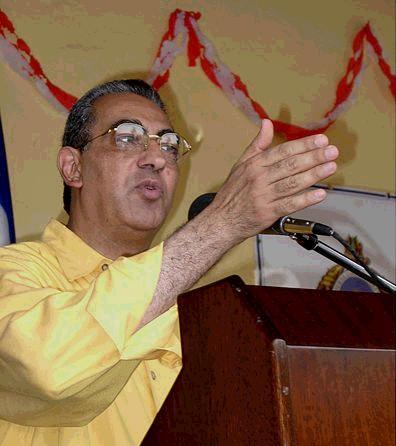


Constitutional role and functions
The powers and duties of the president are defined by the national constitution and related laws. As the head of the executive, the president is charged to "execute and enforce the Constitution, treaties and conventions, laws and other legal dispositions." The position carries authority to appoint and remove cabinet ministers, present the national budget to the legislature, issue executive decrees within legal bounds, negotiate and sign international agreements (often subject to legislative ratification), and oversee public administration and civil service.
Key powers and responsibilities
- Command of the armed forces and responsibility for national defence and internal security.
- Policy leadership in economic, social and diplomatic matters and the power to represent the state abroad.
- Appointment of senior officials, judges in some cases, and the ability to grant clemency or reprieves according to law.
- Signature or veto of legislation passed by the legislature; the legislature may override vetoes according to constitutional rules.
Election, term and succession
The president is chosen by direct popular vote for a four-year term as set out in the 1982 constitution. Elections and the formal transfer of executive authority follow procedures laid down in electoral law and the constitution. Succession in the event of temporary incapacity or vacancy is determined by constitutional provisions and normally involves the vice-presidential office or designated officials so continuity of government is maintained.
Branches of government and checks
Under the 1982 constitutional framework the national government has three branches: the Executive, the Legislative and the Judicial. The president heads the Executive and operates within a system of checks and balances: legislatures enact laws and control budgets, courts review legality of executive acts, and other institutions provide oversight. This separation of powers shapes how presidential authority is exercised in practice.
History, practice and notable issues
The presidency evolved from early republican institutions established after independence in the 19th century to the modern office codified in 1982. While the four-year tenure is a long-standing rule, the subject of re-election and its limits has generated legal debate and political controversy in recent decades; interpretations and reforms affecting eligibility and re-election have been contested and subject to judicial and political review. The president traditionally works from the official presidential residence and offices, often referred to as the national presidential house, and plays a central role in both everyday governance and moments of national crisis.
Further reading and official sources
For formal definitions and current legal texts consult constitutional documents and government publications. Additional context on the office can be found in official profiles, electoral law summaries and scholarly treatments that examine the balance of executive power and democratic institutions in Honduran government and comparative perspectives on heads of government. Electoral calendars and term details are normally published by the electoral authority and summarized in government guides to the four-year term.
Relevant institutional portals and explanatory resources can help readers follow developments: official presidential communications, constitutional commentary and legislative records provide authoritative information on the role, duties and limits of the presidency in Honduran public life. For introductory overviews see government and academic summaries available through public information services.
Related articles
Author
AlegsaOnline.com President of Honduras Leandro Alegsa
URL: https://en.alegsaonline.com/art/78831