
List of heads of state of Ivory Coast (Côte d'Ivoire)
Chronological overview and context for the presidents and interim leaders of Ivory Coast from independence to the present, with notes on constitutional change, coups, contested transfers and transitional authorities.
Overview
The heads of state of Ivory Coast (Côte d'Ivoire) are the persons who have served as the country's chief public representative since independence from France in 1960. The office has normally been held by an elected president but has at times been occupied by military or transitional authorities following coups, contested elections or political crises. Constitutional changes over time have altered the formal powers, term limits and succession rules associated with the presidency.
Image gallery
5 Images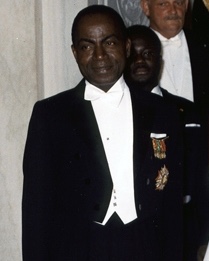
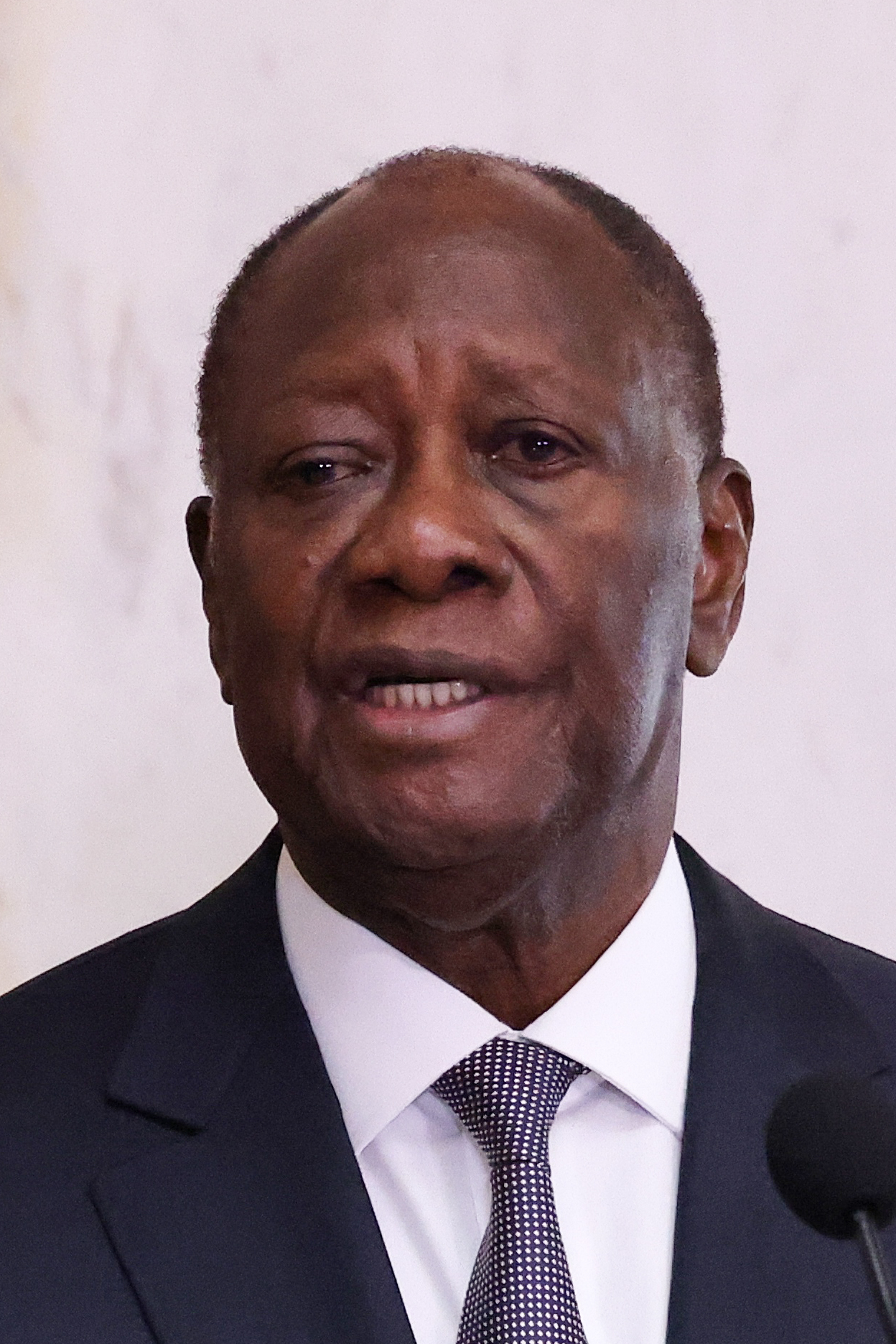


Principal officeholders
- Félix Houphouët-Boigny (1960–1993) — Founding president who led the newly independent state for over three decades and shaped early institutions and foreign policy.
- Henri Konan Bédié (1993–1999) — Succeeded Houphouët-Boigny as constitutionally designated successor; his tenure ended with a military takeover in 1999.
- Robert Guéï (1999–2000) — Military leader who led a transitional regime after the 1999 coup and contested the 2000 elections before being replaced.
- Laurent Gbagbo (2000–2011) — Elected in 2000; his refusal to cede power after disputed 2010 results produced a domestic and international crisis that was resolved in 2011.
- Alassane Ouattara (2011–present) — Recognized internationally at the end of the 2010–2011 crisis; subsequently re-elected and presided over constitutional reform and reconciliation efforts.
Constitutional evolution and political context
Ivory Coast’s constitutional framework has changed several times: the first post‑independence arrangements gave strong powers to the president; a new constitution was adopted after the turn of the century and further reforms were enacted in the 2010s. Debate over term limits, eligibility and the resetting of mandates has been central to the country’s politics. The country experienced a major armed conflict and a period of political division in the 2000s, and the 2010 presidential dispute demonstrated how institutional, legal and international factors can interact in contested successions.
Interpreting lists of heads of state
When consulting lists of heads of state, it is important to distinguish between regularly elected presidents, interim or military rulers, and claimants whose authority was internationally disputed. Dates of service are commonly given in years; some periods involved parallel claims or transitional arrangements rather than uncontested incumbency. For a complete chronology, official records and constitutional texts provide authoritative dates and legal status for each change of leadership.
Related articles
Author
AlegsaOnline.com List of heads of state of Ivory Coast (Côte d'Ivoire) Leandro Alegsa
URL: https://en.alegsaonline.com/art/78839