
Aymara people: Indigenous inhabitants of the Andean highlands
The Aymara are an Indigenous people of the central Andes, concentrated around Lake Titicaca in Bolivia, Peru and northern Chile. They have a distinct language, social organization and cultural traditions.
The Aymara are an Indigenous peoples group of the central Andes, with large communities in Bolivia, Peru and parts of northern Chile. Their traditional homeland includes the high plateau (altiplano) around Lake Titicaca, one of the cultural centers of the pre-Columbian Andes. Today the Aymara combine traditional livelihoods with participation in modern national life.
Image gallery
10 Images




Language and social organization
The Aymara language, often called Aymara, belongs to the Aymaran family and is noted for its rich agglutinative morphology. It is used in daily speech, ritual contexts and bilingual education programs in several Andean states. Aymara communities often organize through the ayllu, a kin-based cooperative unit that manages land, labor and local resources.
History and origin
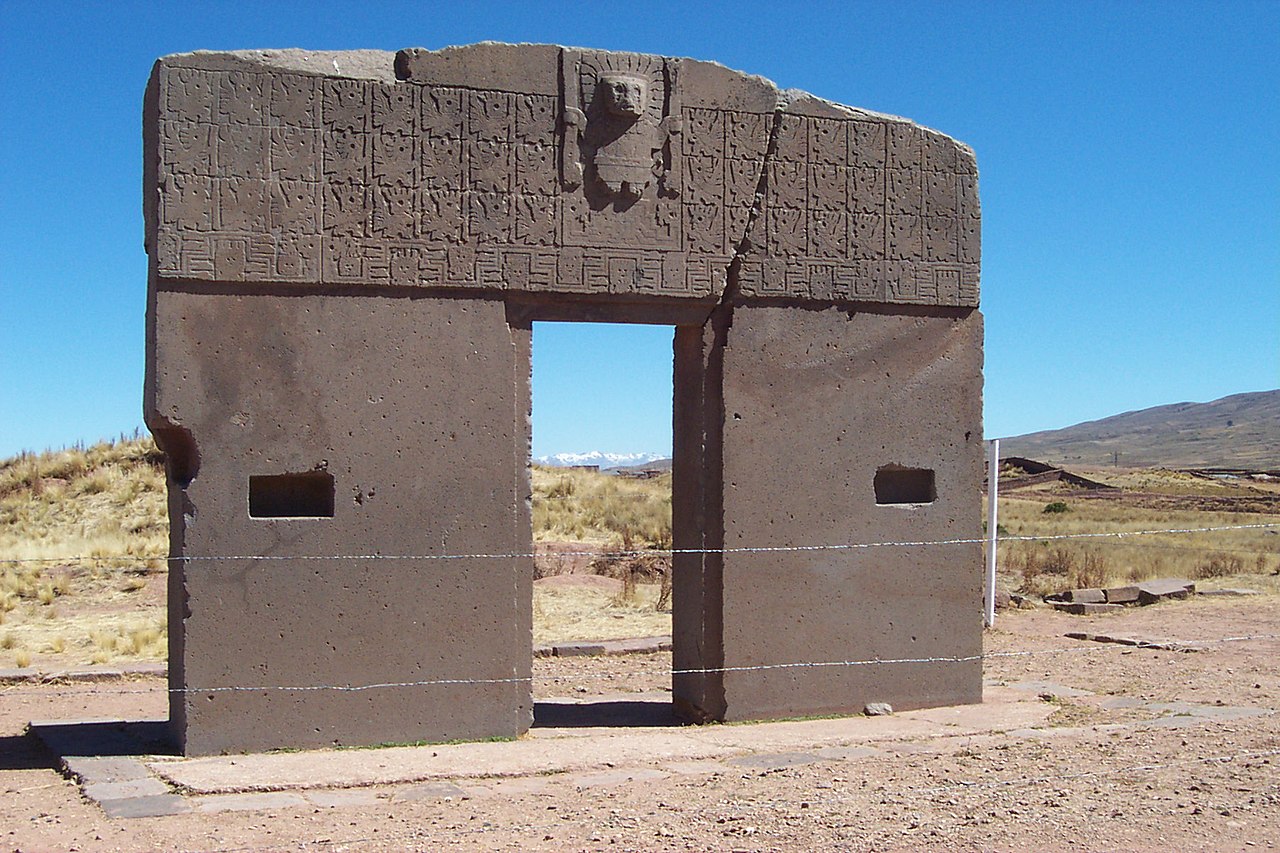
Archaeological and historical evidence connects Aymara-speaking peoples with ancient highland civilizations centered near Lake Titicaca, including societies that produced monumental sites and irrigation systems. Over centuries the Aymara experienced colonial rule, incorporation into independent republics, and social changes while preserving many cultural practices and communal institutions.
Culture, economy and daily life
Aymara culture blends ritual traditions, textile arts and high-altitude agriculture. Typical economic activities include:
- cultivation of tubers, quinoa and other cold-tolerant crops;
- herding of llamas and alpacas for transport and fiber;
- weaving and dyeing of textiles, an important expression of identity;
- participation in local markets and seasonal festivals that mark agricultural cycles.
Politics, symbols and modern visibility
The Aymara have been influential in contemporary politics and cultural life. A number of leaders of Aymara origin have taken prominent public roles—most notably the Bolivian leader Evo Morales, who symbolized greater indigenous participation in national government. The multicolored Wiphala flag is commonly used as a symbol of Andean indigenous identity and has been officially recognized in some countries.
Notable features distinguishing the Aymara include resilient highland farming systems, distinctive textile motifs and a strong sense of community responsibility. While many Aymara maintain traditional dress, music and ritual practices, others live in urban areas where they blend ancestral customs with contemporary occupations. For further context on indigenous rights, languages and cultural preservation see resources linked to regional studies and bilingual education initiatives here and cultural overviews of the Andean region here.
Related articles
Author
AlegsaOnline.com Aymara people: Indigenous inhabitants of the Andean highlands Leandro Alegsa
URL: https://en.alegsaonline.com/art/7881