
Aztecs: the Mexica and related Nahua peoples of central Mexico
Overview of the Aztecs (Mexica/Nahua): society, religion, economy, history from the 14th–16th centuries, key cities and legacy in modern Mexico and culture.
Overview
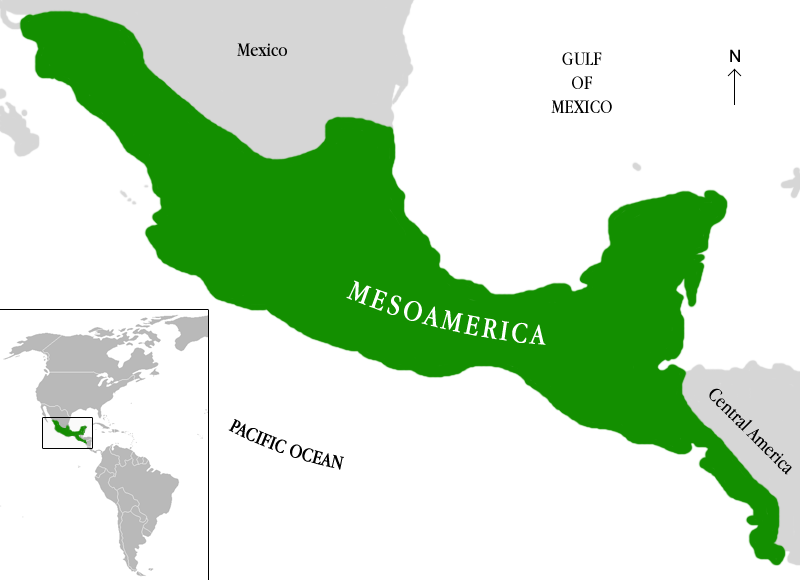
The term "Aztecs" commonly refers to the Nahua-speaking peoples who rose to prominence in central Mexico before and during European contact. Many writers use it broadly for several related groups, and more narrowly for the Mexica who founded the great city of Tenochtitlan. The Aztecs developed a complex urban civilization in Mesoamerica and are often described as a leading people of the region.
Image gallery
10 Images




Origins and name
Traditional accounts say the Mexica came from a legendary homeland called Aztlan. These legends describe Aztlan—said to mean "place of the herons" in their language—as the origin point for several Nahua groups. Over time the ethnonym "Mexica" and the legendary connection to Aztlan became central to identity; the name of the modern nation of Mexico and the Nahuatl language reflect this heritage (Nahuatl).
State formation and chronology
From the early 14th century the Mexica established their capital on an island in Lake Texcoco and joined the Triple Alliance that created the regional Aztec Empire. Their dominance extended through the next two centuries until the arrival of Spanish forces and allies in the 16th century, when the political order of central Mexico collapsed.
Capital and urban life
The island city-state of Tenochtitlan, built on an artificial island in Lake Texcoco, became the cultural and economic hub of the Aztecs. It featured monumental temples, market complexes, and an extensive system of canals and chinampas (raised-field agriculture) that supported large populations.
Society, religion and achievements
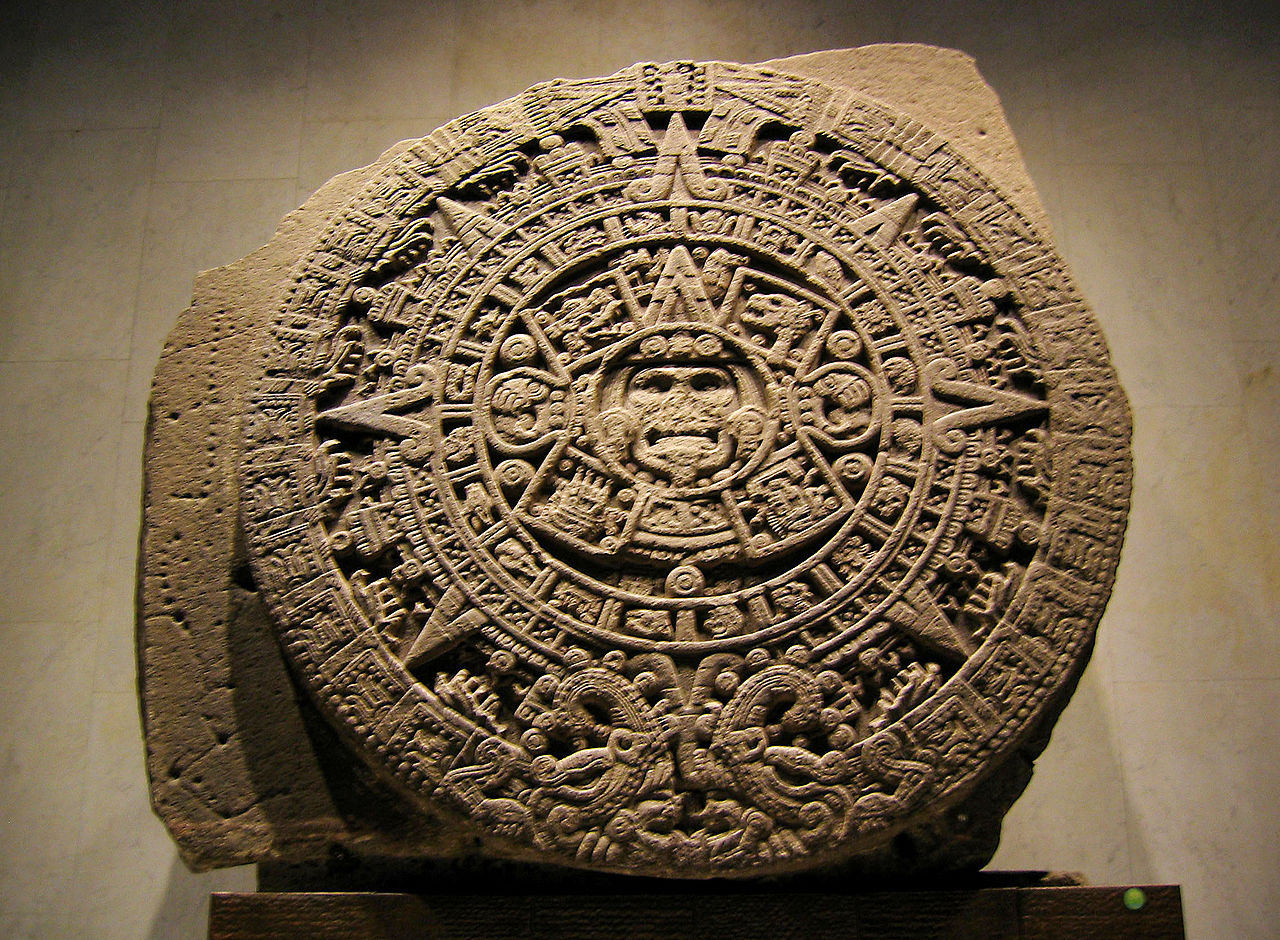
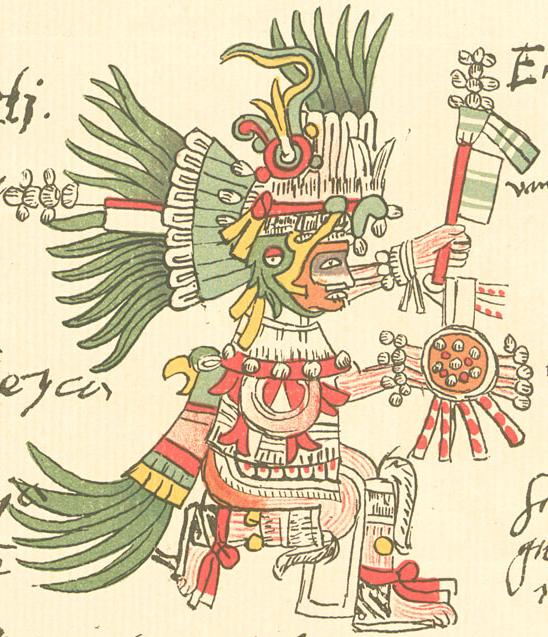
Aztec society combined hierarchical political structures with rich artistic and religious life. Priestly and military classes played central roles; public ritual, astronomy, and calendrical knowledge guided civic life. Artisans produced sculpture, featherwork and painted manuscripts (codices) while trade networks circulated goods across Mesoamerica.
Legacy and distinctions
The Aztec legacy endures in language, place names, agriculture and cultural practices in Mexico and beyond. Scholars distinguish between the broader category of Nahua peoples and the specific Mexica polity centered at Tenochtitlan. For further reading and sources, see related entries and specialized studies (people, Mesoamerica, Aztec Empire).
Questions and answers
Q: Who were the Aztecs?
A: The Aztecs were Native American people who lived in Mesoamerica and ruled the Aztec Empire from the 14th century to the 16th century.
Q: Where did the name "Aztec" come from?
A: The name "Aztec" comes from a phrase meaning "people from Aztlan".
Q: What does "Aztlan" mean?
A: In Nahuatl, "Aztlan" means "place of the herons".
Q: When is the term “Aztec” used?
A: Often, the term “Aztec” refers just to the people of Tenochtitlan, which was a city on an island in Lake Texcoco.
Q: What do these people call themselves?
A: These people called themselves either Mexica or Nahua.
Q: Why is Mexico called Mexico?
A: Mexico is called Mexico because these people called themselves Mexica.
Q: What language do they speak?
A: They speak Nahuatl, which is why their language is called Nahuatl.
Related articles
Author
AlegsaOnline.com Aztecs: the Mexica and related Nahua peoples of central Mexico Leandro Alegsa
URL: https://en.alegsaonline.com/art/7960
Sources
- ancient.eu : "Aztec Society"
- ancient.eu : "Aztec Civilization"
- indians.org : "The Aztecs/Mexicas"
- history.com : "Ask History: What Happened to the Aztecs?"
- tribaldirectory.com : "Aztec Indians"
- mesolore.org : "Keeping Time"
- amhistory.si.edu : "Mexican Flag"