
Bahun (Khas Brahmin): Nepali hill Brahmin community
Bahun, or Khas Brahmins, are the hill Brahmin community of the Khas ethno-linguistic group in Nepal, traditionally serving as priests, teachers and administrators and recognized as sacred-thread twice-born Hindus.
Bahun (Nepali: बाहुन) refers to the hill Brahmin communities associated with the Khas ethnolinguistic group of Nepal. Often called Khas Bahun, they form one of the main Brahmin (priestly) strata among Nepali Hindus and have played prominent roles in religion, education and governance in the Himalayan region. The identity combines caste status with regional and linguistic traditions.
Image gallery
6 Images


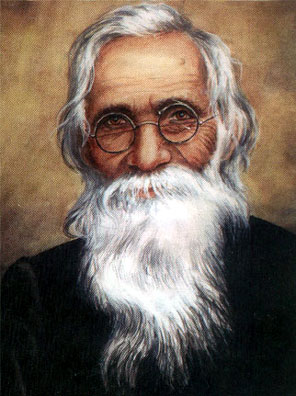
Origins and identity
The Bahun identity developed among Indo-Aryan speakers in the hills of Nepal and surrounding areas. Historically they are linked with the broader Brahmin varna while also being part of the Khas social formation; scholars describe them as hill or Parvate/Pahari Brahmins with distinct local practices. Their sense of lineage, gotra affiliation and ritual role mark them as Brahmins within local Hindu social order.
Social role and occupations
Traditionally, Bahuns served as priests, ritual specialists, astrologers and teachers. They performed temple rites and lifecycle ceremonies, taught Sanskrit and religious texts, and preserved liturgical knowledge. Over time many Bahuns entered administration, modern education and politics, taking positions in civil service and public life.
- Religious duties: priesthood, rites of passage, puja and yajna.
- Educational roles: tutors, Sanskrit scholars and schoolteachers.
- Administrative and political participation: local and national offices.
Culture and customs
Bahun cultural practices combine orthodox Hindu rites—such as sacred thread (yagyopavit) initiation and adherence to caste-related rituals—with regional Nepali traditions. Ceremonies, dietary norms and matrimonial customs vary by locality. Many families maintain oral histories, patrilineal descent and gotra-based exogamy rules common among South Asian Brahmin groups.
Legal status and modern dynamics
In nineteenth-century legal codifications like the Muluki Ain (1854), Bahuns were classified among sacred-thread bearers and described as twice-born (dvija) Hindus. In contemporary Nepal they remain influential but also face the same social changes affecting other communities: urbanization, education, occupational diversification and debates over caste-based privilege and social equality.
Distinctions and further reading
Not all Brahmins in Nepal are Bahun; the term specifically denotes Khas hill Brahmins as distinct from other regional Brahmin groups. For more on linguistic and ethnic context see resources on the Khas group and caste structures: Khas, and on broader caste and Brahmin traditions: Brahmin. These links provide entry points to cultural, historical and legal perspectives on the community.
Questions and answers
Q: Who are Bahuns?
A: Bahuns are a group of people belonging to the Brahmin caste in the Khas group, an Indo-Aryan ethno-linguistic group.
Q: What is the main occupation of Bahuns?
A: Bahuns mainly served as priests, teachers, and astrologers as per their caste.
Q: What kind of Brahmins are called Bahuns or Khas Bahuns?
A: Generally, the Parvate/Pahari (hilly) Brahmins are called as Bahuns or Khas Bahuns.
Q: What was the position of Bahuns in government and administration in Nepal?
A: Bahuns were able to hold government offices, administration, and politics.
Q: Who do Bahuns belong to according to the 1854 Muluki Ain of Nepal?
A: According to the 1854 Muluki Ain (Legal Code) of Nepal, Bahuns belong to sacred thread bearers (Yagyopavit) and twice-born (Dvija) Hindus.
Q: What is the meaning of Yagyopavit?
A: Yagyopavit is a sacred thread that Brahmins wear after undergoing Upanayana.
Q: What is the meaning of Dvija?
A: Dvija means twice-born and refers to upper-caste Hindus who have undergone a sacred thread ceremony.
Related articles
Author
AlegsaOnline.com Bahun (Khas Brahmin): Nepali hill Brahmin community Leandro Alegsa
URL: https://en.alegsaonline.com/art/8338
Sources
- books.google.com.np : Democracy, Pluralism and Change