
Bahraini people: communities, language, history, and culture
An overview of the people of Bahrain: indigenous Baharna, other Arab groups, religious and linguistic traits, historical background, cultural practices and modern social dynamics.
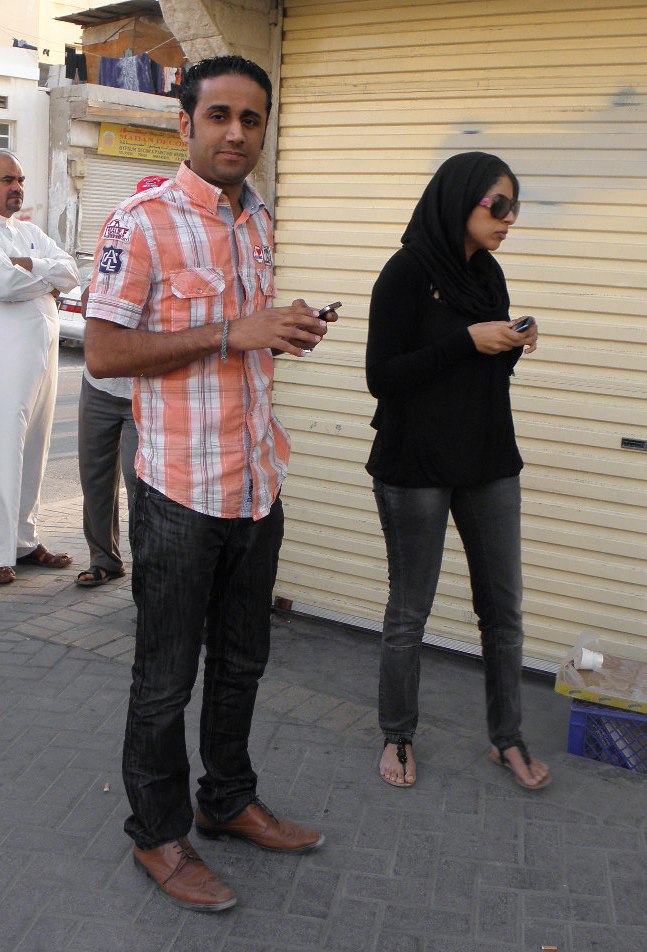
The Bahraini people are the inhabitants of the Kingdom of Bahrain, a small island archipelago in the Persian Gulf. The population is multiethnic and multicultural, shaped by centuries of seafaring trade, pearl diving, and migration. Today the society includes indigenous communities, other Arab groups, people of Persian background, and a large expatriate workforce that contributes to the economy and daily life.
Image gallery
10 Images




Major groups and characteristics
Several groups are commonly identified among Bahrain's residents. These include:
- Baharna (singular Bahrani) — historically the native Shia Arab community of the islands and nearby oases such as Qatif on the coast of Saudi Arabia. They speak a local variety of Arabic and maintain many rural and urban traditions.
- Sunni Arab groups — several tribal and urban families who have played prominent political and economic roles.
- Persian-descended communities — long-established groups with cultural and linguistic ties across the Gulf.
- Expatriates — workers and professionals from South Asia, the Philippines, Europe and elsewhere who shape contemporary life.
Language and religion
Arabic is the official language and the mother tongue of most Bahraini-born people; local varieties include the distinct Bahrani dialect often associated with the Baharna. Many residents also speak English and other regional languages. The Bahraini religious landscape is primarily Muslim: many indigenous coastal communities follow Shia Islam, while other groups practice Sunni Islam. Members of both traditions have long-established religious, social and commercial institutions.
History and development
Bahrain's strategic location made it a hub of maritime trade, connecting Mesopotamia, the Arabian Peninsula and the Indian Ocean. Ancient settlements, later Arab migrations, Persian influence and Ottoman and British contacts all contributed to the islands' population mix. Indigenous groups often trace their ancestry to Arab tribes and to centuries of local settlement and intermarriage. Modern Bahrain evolved into a petroleum-producing state and a regional financial and service center, attracting workers and new communities.
Culture, society and notable aspects
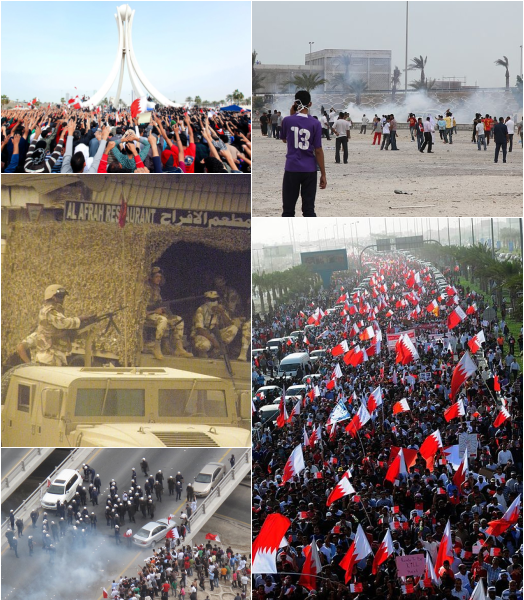
Cultural life blends Bedouin, seafaring and urban influences: traditional music, crafts, pearl-diving heritage, and culinary customs coexist with contemporary arts, festivals and sports. Social dynamics include debates over representation, citizenship and economic opportunity, but the islands continue to be defined by close-knit neighborhoods, religious commemorations and commercial vibrancy. For further context about the territory and its communities see general references to Bahrain and related Gulf settlements.
For more on regional links and the distribution of communities beyond the islands, consult sources on local oases and Gulf demography such as studies mentioning Arabic dialects (Arabic) and neighboring population centers in the Gulf region.
Tags
Related articles
Author
AlegsaOnline.com Bahraini people: communities, language, history, and culture Leandro Alegsa
URL: https://en.alegsaonline.com/art/8336