
Preschool: An Introduction to Early Childhood Education
Overview of preschool education for children aged about 3–6: purposes, common approaches, historical background, benefits, and how preschools differ by model and region.
Overview
Preschool refers to organized programs for young children, typically between ages three and six, that precede compulsory primary schooling. It forms part of broader early childhood education and aims to support social, emotional, cognitive and physical development before entrance to elementary school. Programs vary by country and community, but share goals of play-based learning, routine building and preparing children for classroom life.
Image gallery
7 Images



Characteristics and typical activities
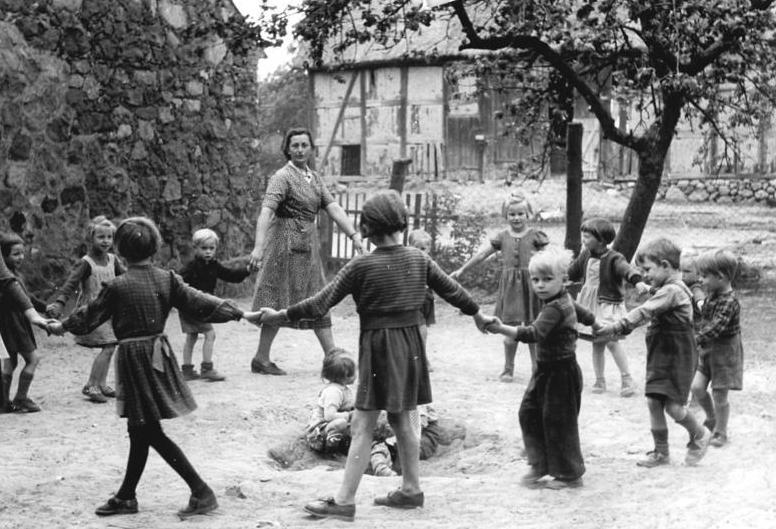
Preschools combine adult-led and child-initiated activities. Common elements include structured circle time, free play, story and language activities, arts and crafts, outdoor play and simple numeracy experiences. Staff observe milestones and encourage social skills like sharing and turn-taking.
- Play and exploration to develop creativity and problem solving
- Language-rich interactions that support early literacy
- Fine and gross motor activities for physical development
- Social-emotional learning and routines that build independence
Influences from child development theory
Preschool practice has been shaped by a range of developmental theories. Many programs draw on general child development research, including influential ideas from Jean Piaget about stages of thinking in early childhood. Other frameworks, such as social-constructivist approaches, inform practices like guided interaction and scaffolded learning.
History and regional terms
The concept of organized early childhood settings evolved during the 19th and 20th centuries as societies recognized the importance of early care and learning. In different places preschools are known by other names; for example in Europe similar services are often called nursery or kindergarten, and each term carries distinct historical and cultural associations.
Importance, models and choices
High-quality preschool can foster school readiness, language development and social skills, and may help identify special needs early. Models range from play-focused settings to more structured, academically oriented classrooms; notable approaches include Montessori, Reggio Emilia and state-funded preschool initiatives. When choosing a preschool, parents commonly consider staff qualifications, child-to-adult ratios, curriculum priorities and the balance of play and instruction.
Notable distinctions and practical considerations
Preschool is not uniform: programs differ by governance (public, private, non-profit), cultural expectations and age ranges served. Quality indicators include trained teachers, purposeful activities, safe facilities and family engagement. Transition practices that help children move from preschool into formal schooling are increasingly emphasized as an important part of early education systems.
Related articles
Author
AlegsaOnline.com Preschool: An Introduction to Early Childhood Education Leandro Alegsa
URL: https://en.alegsaonline.com/art/78775