
Child development: stages, influences, and practical significance
An overview of child development covering main domains, key influences, historical theories, practical uses, and considerations for atypical development from birth to the end of adolescence.
Overview
Child development describes the sequence of physical, cognitive, emotional and social changes that take place as a person grows from birth to the end of adolescence (adolescence). It encompasses how children acquire motor skills, language, problem solving, self‑control and relationships. Researchers study typical patterns and ranges rather than single, fixed timetables, and the field draws on biology, education and psychological science to explain growth.
Image gallery
7 Images


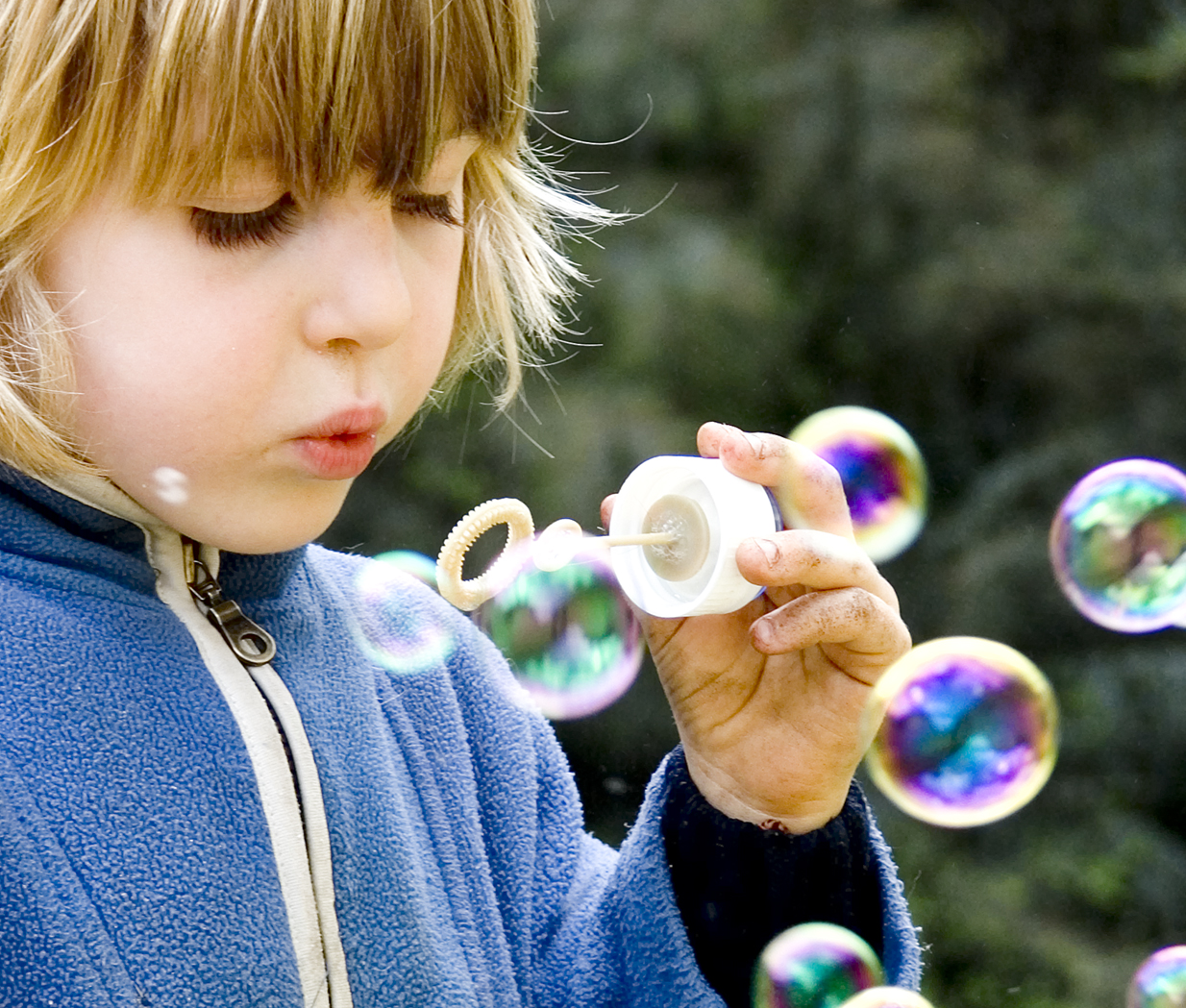


Key domains and characteristics
Development is commonly described across several interacting domains. Each area follows its own pattern but influences the others:
- Physical and motor: changes in height, weight, coordination and fine/gross motor control.
- Cognitive: learning, memory, attention, reasoning and the ability to understand abstract ideas.
- Language and communication: receptive and expressive language, literacy foundations and pragmatic use of language.
- Social-emotional: attachment, empathy, emotion regulation and peer relationships.
- Adaptive functioning: self-care, play, school readiness and everyday problem solving.
Influences on development
Multiple factors shape developmental pathways. Genetic or heritable characteristics interact with prenatal conditions, nutrition, caregiving quality, education, culture and socioeconomic context. Early experiences are particularly potent because they set up learning patterns and neural circuits; however, plasticity continues into adolescence and beyond, allowing change through intervention and supportive environments.
Theories and history
Ideas about how children develop have evolved. Classic stage theories emphasized predictable age-linked changes (for example, Piaget’s stages of cognitive development), while later approaches highlighted the role of social interaction (Vygotsky), attachment relationships (Bowlby, Ainsworth), learning processes (behaviorism) and information processing models. Contemporary work integrates biology, context and individual differences.
Uses, assessment and support
Knowledge of child development guides parenting, education, health care and public policy. Developmentally informed practices include age-appropriate curricula, screening and early intervention for delays, and supports for families. Routine assessment looks for expected milestones and can prompt supportive services when progress differs from typical patterns.
Variations and notable conditions
Children do not all develop at the same rate. Some follow divergent pathways because of medical, genetic or neurodevelopmental factors. For example, children with autism spectrum differences often show distinct patterns in social communication and behavior, and children with Down syndrome may have characteristic cognitive and motor profiles. Early identification and tailored supports can improve outcomes.
For readers seeking more detail, introductory texts and professional guidelines summarize developmental milestones, assessment tools and intervention strategies. Ongoing research continues to refine our understanding of how genes, experience and culture combine to shape individual life courses.
Questions and answers
Q: What does child development refer to?
A: Child development refers to biological, psychological and emotional changes that happen in humans between birth and the end of adolescence.
Q: What are some factors that strongly influence child development?
A: Child development is strongly influenced by genetic, mental, physical and social factors that may happen during the progression.
Q: Do all children develop at the same level?
A: No, children develop at different levels.
Q: Can children with autism spectrum troubles or Down syndrome have different development than usual?
A: Yes, children with autism spectrum troubles or Down syndrome may have different development than usual or substandard motor development.
Q: Have ideas about how children develop psychologically remained the same over time?
A: No, ideas about how children develop psychologically have changed over time.
Q: Are there any important theories on how children develop?
A: Yes, there are several important theories on how children develop.
Q: When does child development end?
A: Child development ends at the end of adolescence, at which time the individual goes from dependence to independence.
Related articles
Author
AlegsaOnline.com Child development: stages, influences, and practical significance Leandro Alegsa
URL: https://en.alegsaonline.com/art/19646
Sources
- books.google.com : Some Thoughts Concerning Education
- plato.stanford.edu : "John Locke"
- victorianweb.org : "Freud's Division of the Mind"
- haverford.edu : "Psychosocial Theory: Erikson"
- edpsycinteractive.org : "Observational (Social) Learning: An Overview"
- wadsworth.cengage.com : "Primary Sources"