
Jean Piaget: Swiss psychologist and founder of genetic epistemology
Overview of Jean Piaget, his theory of cognitive development, major concepts (schemas, assimilation, accommodation), stages of development, contributions to education, and legacy.
Jean Piaget (9 August 1896 – 16 September 1980) was a Swiss researcher widely regarded as a founding figure in the study of child development and cognitive growth. Trained originally in natural sciences, he turned to psychology and became best known for creating the field he called genetic epistemology, the study of how knowledge develops in individuals. His empirical observations and theoretical framework reshaped thinking about learning, intelligence, and education.
Image gallery
4 Images

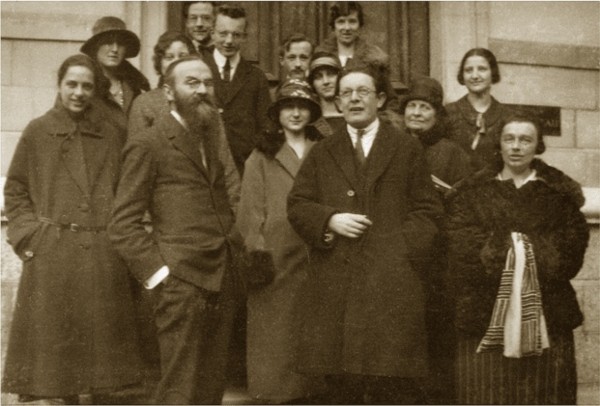

Core ideas and mechanisms
Piaget proposed that children actively construct knowledge through interaction with their environment. Central concepts include schemas (organized patterns of thought or behavior), assimilation (incorporating new experiences into existing schemas), accommodation (modifying schemas when they no longer fit), and equilibration (the process of restoring balance between assimilation and accommodation).
Stages of cognitive development
- Sensorimotor (birth to ~2 years): knowledge through sensory experience and action.
- Preoperational (approx. 2–7 years): symbolic thought, language growth, but limited logical operations.
- Concrete operational (approx. 7–11 years): emerging logical thinking about concrete objects and conservation.
- Formal operational (from ~11 years onward): capacity for abstract and hypothetical reasoning.
History and collaborators
After early work in biology and philosophy, Piaget studied children’s responses to intelligence tests and developed his clinical interview method of probing reasoning. He collaborated with colleagues such as Bärbel Inhelder and later established the International Centre for Genetic Epistemology in Geneva to promote research into cognitive development.
Applications and legacy
Piaget’s ideas influenced educational practice by emphasizing stages, discovery learning, and readiness. His work continues to inform developmental psychology, cognitive science, and educational theory. While many researchers have refined or challenged aspects of his stage model—pointing to cultural variability and more continuous development—his emphasis on active, constructivist learning remains a lasting contribution. For further context see a basic profile by a modern scholar or summary resource at developmental psychology overviews.
Questions and answers
Q: Who was Jean Piaget?
A: Jean Piaget was a Swiss developmental psychologist.
Q: What is Jean Piaget famous for?
A: Jean Piaget is famous for his work with children and how they learn.
Q: What type of study did Jean Piaget start?
A: Jean Piaget started a type of study called "genetic epistemology".
Q: What is "genetic epistemology"?
A: "Genetic epistemology" is a type of study about where knowledge comes from.
Q: What were the dates of Jean Piaget's birth and death?
A: Jean Piaget was born on August 9th, 1896 and died on September 16th, 1980.
Q: What was the country of origin of Jean Piaget?
A: Jean Piaget was from Switzerland.
Q: What was Jean Piaget's area of expertise?
A: Jean Piaget was a developmental psychologist.
Related articles
Author
AlegsaOnline.com Jean Piaget: Swiss psychologist and founder of genetic epistemology Leandro Alegsa
URL: https://en.alegsaonline.com/art/49753
Sources
- webspace.ship.edu : "Piaget"
- learningandteaching.info : "learningandteaching.info - Diese Website steht zum Verkauf! - Informationen zum Thema Scholarship"