
Prada: Italian luxury fashion house
Prada is an Italian luxury fashion house founded in Milan, known for ready-to-wear, leather goods and a blend of modern minimalism with experimental design, plus cultural projects and a notable secondary label, Miu Miu.
Overview — Prada is an Italian luxury fashion house established in Milan. It is recognised for leather goods, ready-to-wear collections, footwear and accessories. Under family leadership, the brand mixes traditional craftsmanship with experimental silhouettes and materials. Its visual identity often emphasizes clean lines, understated logos, and a modernist sensibility that has influenced global luxury trends.
Image gallery
10 Images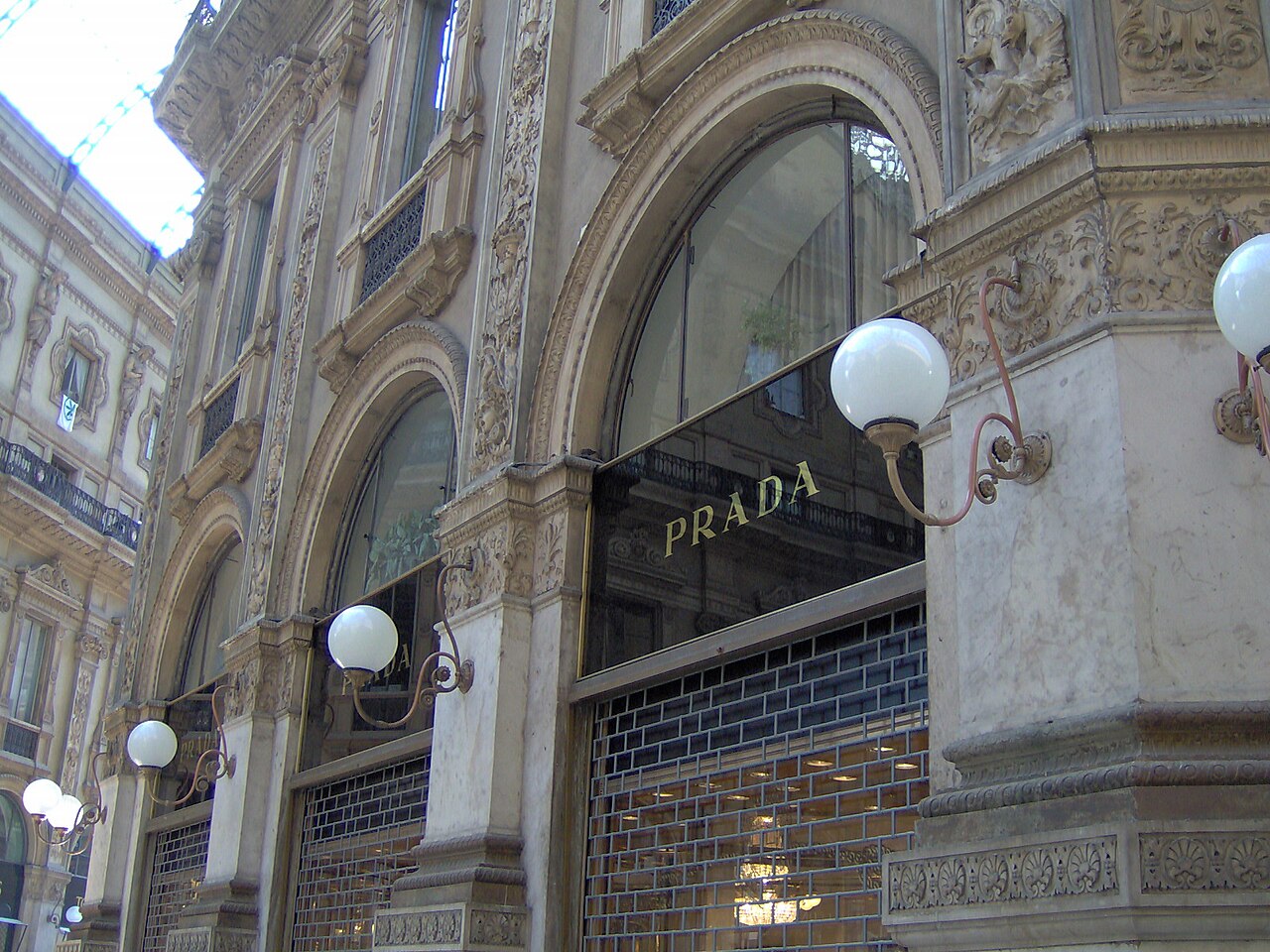



History and development
The company began as a leather goods workshop and was later transformed into an international fashion house. In the late 20th century the label shifted from a specialist trunkmaker into a full-service fashion house, expanding into womenswear, menswear and runway presentation. Leadership from family members steered a strategy of creative risk-taking combined with strong commercial management, turning the brand into a cultural as well as commercial reference.
Design, collections and lines
Prada’s work ranges from minimalist tailoring to more avant-garde experiments in texture and proportion. The house is noted for pioneering uses of everyday materials in luxury contexts, and for balancing utility and elegance. A notable companion label, Miu Miu, offers a younger, more playful counterpoint to the main line.
- Leather goods and handbags
- Ready-to-wear for women and men
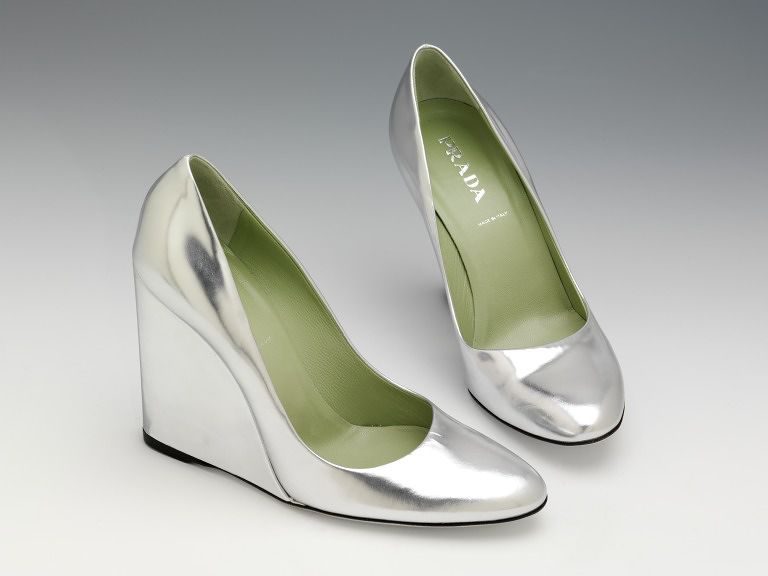
- Footwear and small leather accessories
- Eyewear, fragrances and seasonal collaborations
Business presence and cultural impact
Prada operates internationally through flagship stores and boutique locations, staging seasonal runway shows and participating in global fashion weeks. The brand also engages with contemporary art, architecture and publishing, supporting exhibitions and projects that extend its cultural footprint beyond commercial fashion. Its retail and exhibition strategy reinforces a curated brand image worldwide.
Notable facts and distinctions
Prada is often cited for: introducing refined yet unconventional luxury aesthetics; maintaining a family-run identity while growing into a global company; and creating a secondary imprint that explores different creative directions. The house has mounted institutional projects and exhibitions to document design research and collaborations, underlining its role as both a commercial label and a patron of contemporary culture. For more information and resources, see the brand pages and profiles linked below.
Further reading: designer profile, collections archive, store locator, press and projects.
Related articles
Author
AlegsaOnline.com Prada: Italian luxury fashion house Leandro Alegsa
URL: https://en.alegsaonline.com/art/78582
Sources
- prada.com : "Ca' Corner della Regina – Fondazione Prada – about"
- uk.phaidon.com : "The Giacometti Variations: John Baldessari's site-specific show for the Fondazione Prada"