
Salwar kameez: traditional South Asian tunic and trousers
A traditional two-piece outfit of loose trousers (salwar) and a tunic (kameez) originating in South Asia, worn by women and men with many regional styles, fabrics and cultural meanings.
Overview
The salwar kameez is a two-piece garment composed of loose trousers (salwar, also spelled shalwar) and a long shirt or tunic (kameez). Worn across South Asia and by diaspora communities worldwide, it functions as everyday clothing, workwear and formal attire depending on cut, fabric and decoration. The outfit is common for women in India, Pakistan and Bangladesh and constitutes the typical male dress in countries such as Pakistan and Afghanistan.
Image gallery
10 Images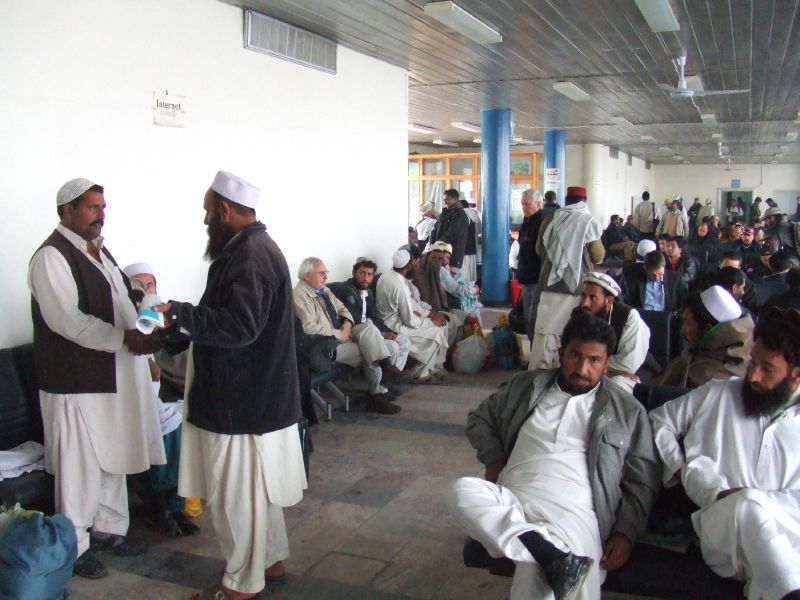


Components and distinctive features
The core pieces are simple but adaptable. The kameez is a long, straight or flared tunic; many styles include open side seams called chaak, which may extend below the waist to allow freedom of movement. The salwar are trousers that are roomy at the hips and taper toward the ankle, though many regional variations change that basic silhouette.
- Salwar types: baggy plains, narrow churidar (fitted with folds at the calf), Patiala or Punjabi salwar (heavily pleated and voluminous).
- Kameez styles: straight cut, A-line, Anarkali (fitted at the bodice with a flared skirt), and kurtas worn as shorter versions.
- Accessories: a matching or contrasting dupatta (long scarf) is often draped over the shoulders or head.
History and development
The ensemble evolved over centuries through a mix of regional dress traditions and influences from Central Asian and Persian clothing. Local tailoring, climate and social custom shaped its many regional forms. Over time, artisans introduced a variety of fabrics and embellishments — from plain cotton for daily wear to silk, brocade and intricate embroidery for ceremonial garments.
Uses, occasions and cultural importance
Salwar kameez appears in both informal and formal wardrobes. Lightweight cotton versions are common for everyday comfort; more ornate outfits are chosen for weddings, festivals and official events. For many wearers the outfit expresses cultural identity and modesty while allowing practical movement for daily activities.
Regional variation and modern trends
Styles vary by region and community. In Punjab, the Patiala salwar and Punjabi suit remain popular; in urban fashion, designers combine traditional silhouettes with contemporary cuts, prints and fusion accessories. Men’s versions tend to be simpler in cut but can be embroidered or paired with waistcoats for formality. Diaspora communities have adapted the garment to new climates and tastes while maintaining symbolic ties to origin.
Further information
To explore cultural context, tailoring techniques and regional names, consult resources on South Asian dress and costume. See general overviews of regional clothing traditions: South Asia clothing, historical studies: textile and costume history, contemporary fashion coverage: modern South Asian fashion, and regional practices: regional dress guides.
Questions and answers
Q: What is a salwar kameez?
A: Salwar kameez is a traditional dress worn by both women and men in Southern Asia.
Q: How are salvars or shalvars designed?
A: Salvars or shalvars are loose pajama-like trousers. The legs are wide at the top and narrow at the bottom.
Q: What is a kameez?
A: Kameez is a long shirt or tunic worn with salwar or shalwar.
Q: What is the chaak in salwar kameez?
A: The chaak is the side seams of the kameez that are left open below the waist-line.
Q: Why are the side seams left open in salwar kameez?
A: The side seams (chaak) are left open in salwar kameez to give the wearer greater freedom of movement.
Q: Which countries is salwar kameez the most common dress for men?
A: Salwar kameez is most commonly worn by men in Pakistan and Afghanistan.
Q: Can women wear salwar kameez as well?
A: Yes, women also wear salwar kameez in Southern Asia.
Related articles
Author
AlegsaOnline.com Salwar kameez: traditional South Asian tunic and trousers Leandro Alegsa
URL: https://en.alegsaonline.com/art/86594