
Potassium chromate (K2CrO4)
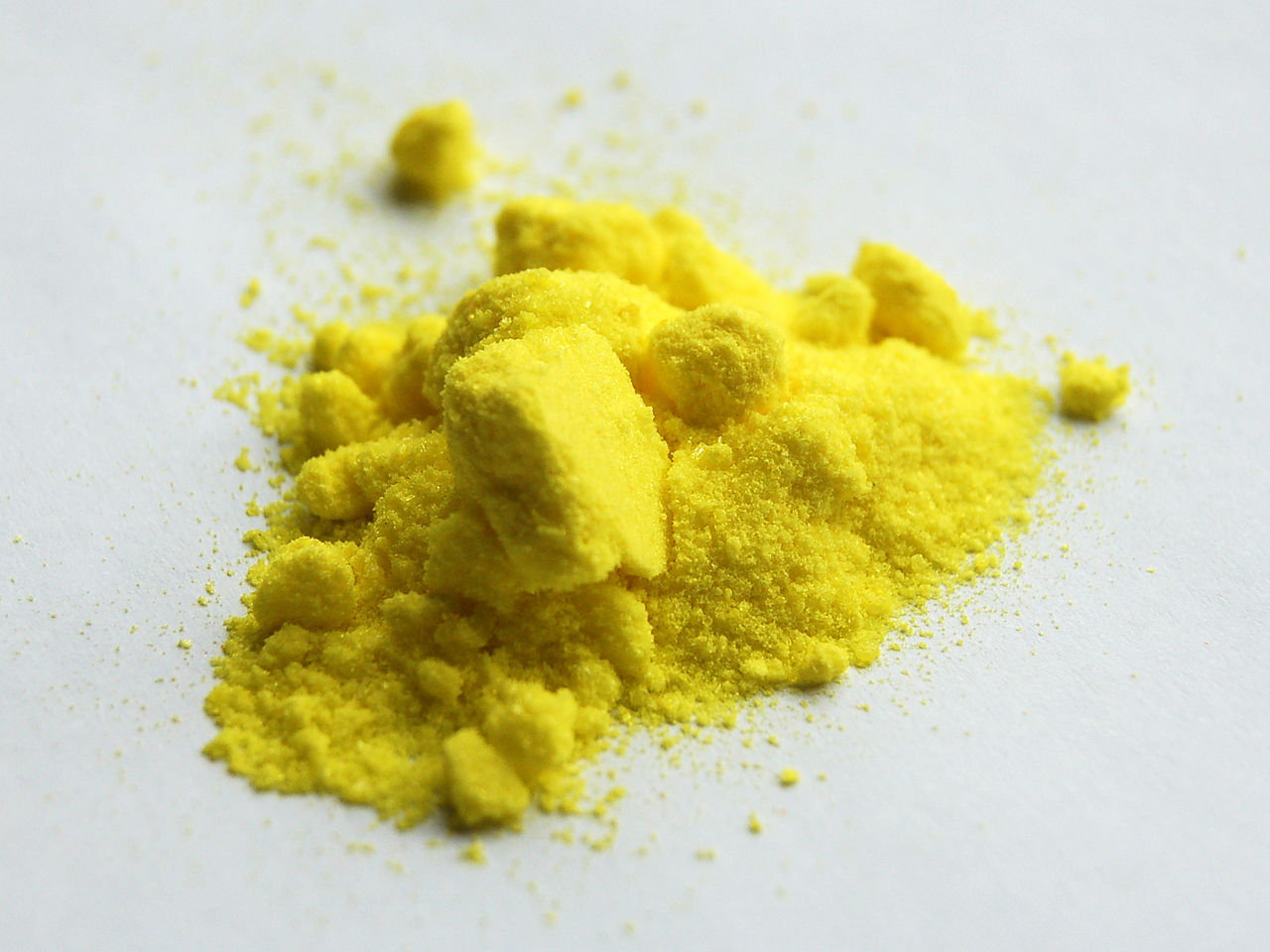
Potassium chromate (K2CrO4) is a bright yellow, water-soluble inorganic salt containing chromate anions. It is used as a laboratory reagent and industrial chemical and is a toxic, regulated hexavalent chromium compound.
Potassium chromate is an inorganic compound with the formula K2CrO4. It consists of potassium cations (K+) and chromate anions (CrO4 2−). In its common form it appears as yellow crystalline solids that dissolve readily in water. As a member of the chromate family, it is chemically related to other chromium(VI) oxyanions and participates in acid–base and redox equilibria characteristic of hexavalent chromium species.
Image gallery
5 Images


Properties and behavior
Potassium chromate is notable for its intense yellow color and its role as an oxidizing agent in some reactions. In aqueous solution the chromate ion can shift to the dichromate form (Cr2O7 2−) when the pH is lowered; this equilibrium influences analytical reactions and handling precautions. It is sparingly deliquescent under some conditions and is soluble enough for use in titrations and preparative chemistry.
Uses and applications
In laboratories K2CrO4 is used as a chemical reagent and an indicator: for example, a chromate solution serves as the endpoint indicator in chloride titrations with silver nitrate (the Mohr method). Industrially, chromate salts have been used in pigment manufacture, corrosion inhibition, and organic synthesis steps that require oxidizing conditions. Because of its bright color, chromate chemistry also appears historically in dyes and colorants.
Health, safety and regulation
Chromate compounds contain chromium in the +6 oxidation state, which is toxic and a known human carcinogen when inhaled or improperly handled. Safe use of potassium chromate requires personal protective equipment, fume hoods, and strict waste-management procedures. Disposal and workplace exposure are regulated in many jurisdictions; consult material safety data sheets and local rules for guidance. See general safety guidance: chemical safety resource and regulatory summaries: regulation overview.
History and context
The study of chromate salts followed the discovery of the element chromium in the late 18th century, and chromates were among the first chromium compounds explored for color and reactivity. Over time their practical value in analysis and industry became clear, but awareness of health hazards has increasingly limited some uses and prompted substitution or stricter controls.
Distinctions and related compounds
- Chromate vs. dichromate: K2CrO4 contains CrO4 2−; under acidic conditions two chromate ions can form a dichromate ion (Cr2O7 2−), a shift important in redox chemistry.
- Compared to potassium dichromate (K2Cr2O7), potassium chromate is often less oxidizing in neutral basic media but shares the same toxicological concerns.
- For laboratory procedures and safe handling consult an analytical methods summary: analytical methods, and for waste or environmental guidance see: environmental guidance.
Related articles
Author
AlegsaOnline.com Potassium chromate (K2CrO4) Leandro Alegsa
URL: https://en.alegsaonline.com/art/78414