
Popeye the Sailor Man — character, origins, and cultural influence
Comprehensive profile of Popeye: creation by E. C. Segar, defining traits, development in comics and animation, media adaptations, merchandising, and lasting cultural influence.
Overview
Popeye the Sailor Man is a fictional maritime character created by cartoonist E. C. Segar who first appeared in the comic strip Thimble Theatre in 1929. He quickly became the strip’s most popular figure and a fixture of 20th‑century popular culture. In most versions Popeye is a rough‑voiced sailor with a corncob pipe, a permanently squinted eye, large forearms, and a blunt manner. He is best known for eating a can of spinach to gain sudden, prodigious strength that allows him to overcome opponents and rescue his sweetheart, Olive Oyl. The character’s combination of physical comedy, moral straightforwardness and memorable mannerisms made him a successful figure in newspaper comics, animated films and branded merchandise.
Image gallery
10 Images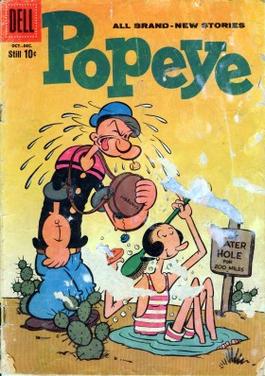


Creation and early years
E. C. Segar introduced Popeye as a supporting character in Thimble Theatre, but the sailor’s popularity grew quickly and he became the focus of ongoing storylines. Segar’s work blended slapstick, serialized adventure and idiosyncratic dialogue; those elements established the repeating situations and supporting cast that would persist under later writers and artists. The strip’s syndication exposed Popeye to a wide audience and set the stage for adaptations into other media.
Animated adaptations and theatrical shorts
Popeye moved from the comics to the screen in a series of theatrical shorts produced initially by Fleischer Studios and later by Famous/Paramount studios. Those animated films combined musical timing, visual gags and inventive animation techniques to translate the strip’s humor into motion. The shorts were instrumental in making Popeye a global cartoon figure and helped establish many of the character traits that audiences recognize today. In later decades the character appeared in television cartoons and occasional feature projects, including a live‑action film that introduced Popeye to new viewers.
Character, themes and recurring elements
Popeye is typically portrayed as honest, stubborn and courageous, with a plainspoken code of right and wrong. His relationship with Olive Oyl provides much of the strip’s emotional and comic tension, while adversaries such as Bluto (sometimes called Brutus in various productions) supply the physical challenges for Popeye’s strength‑based resolutions. The spinach gag — a can that produces immediate super strength — became a shorthand for sudden empowerment and a motif that influenced merchandising and educational campaigns.
Voice performers and depiction
Across decades of animated work, several performers provided Popeye’s distinctive gravelly voice and muttered asides; these portrayals reinforced his comic persona on screen. Olive Oyl, Bluto/Brutus and other supporting characters were likewise voiced by experienced radio and animation actors whose performances helped translate the strip’s personalities into sound. The vocal work in the classic shorts and later television series remains an important part of Popeye’s identity.
Media, games and merchandising
Beyond newspaper comics, Popeye has appeared in comic books, television series, video games and arcade cabinets. The character was extensively licensed for toys, clothing and foodstuffs, and was used in a wide range of promotional campaigns. In the mid‑20th century advertisers and health advocates invoked Popeye and his spinach habit to encourage children to eat vegetables, an association that persisted in popular memory and advertising practice. Popeye also appeared in hundreds of commercial tie‑ins and public information materials that used the character’s recognizability to convey messages.
Ownership, naming and legal history
Over time the Popeye property passed through different studios and publishers, and various corporate owners managed distribution and licensing. The rival character commonly known as Bluto has appeared under alternate names such as Brutus in some productions, reflecting changes in rights and creative choices. Major companies involved in production and distribution at various times include studios associated with theatrical exhibition and film distribution, including Paramount Pictures. Syndication and publishing arrangements also involved well‑known newspaper syndicates that reprinted and distributed the original comics.
Cultural impact and reception
Popeye influenced animation techniques, children’s entertainment and attitudes toward nutrition. The spinach motif is frequently cited in discussions of how a fictional character can affect real‑world consumer behavior; while claims about sales spikes are often anecdotal, the association between Popeye and spinach proved durable and was used by public‑health campaigns and advertisers. Scholars of animation note the Fleischer shorts and subsequent films for their timing, musical integration and visual inventiveness. Popular media outlets have repeatedly recognized Popeye among notable cartoon characters; for example, rankings by periodicals such as TV Guide have listed the sailor among influential animated figures.
Legacy and continued presence
Popeye remains a recurring subject for collectors, historians and animators who study early American comic strips and film cartoons. Original strips by Segar continue to be reprinted in collected editions, and retrospectives examine the series’ transition from newspaper panels to animated cartoons, studio distribution, and commercial tie‑ins. Video and arcade adaptations preserved aspects of the character for later generations, while museums, archives and scholarly works document the production history and cultural footprint of the franchise.
- First appearance: Thimble Theatre (1929)
- Defining elements: spinach, Olive Oyl, Bluto/Brutus, pipe, sailor persona (sailor)
- Major media: theatrical shorts, television, video games, arcade titles, comic books
- Commercial use and promotion: advertisements, public‑health efforts, licensed merchandise
- Notable recognition: listed among top cartoon characters by outlets such as TV Guide
Popeye’s combination of comic toughness and simple moral clarity has helped the character persist across changing media landscapes. For readers interested in production histories, curated archives, and collected strips, a range of print and online resources document the evolution of the character from Segar’s original panels to later animated and commercial incarnations. These resources also examine the broader context of early American popular culture, the development of animation studios, and the commercial strategies that turned a newspaper figure into a cross‑media icon.
Related articles
Author
AlegsaOnline.com Popeye the Sailor Man — character, origins, and cultural influence Leandro Alegsa
URL: https://en.alegsaonline.com/art/78102