
Popol Vuh: The K'iche' Maya Book of Counsel and Creation
The Popol Vuh is the central mytho-historical text of the K'iche' Maya. It records creation narratives, the Hero Twins' exploits, and a royal genealogy preserved in an early colonial transcription.
Overview
The Popol Vuh (Modern K'iche': Popol Wuj), often translated as "Council Book" or "Book of the Community," is the best-known narrative from the highland K'iche' Maya. Composed in the Classical K'iche' language and written in the Latin alphabet after the Spanish conquest, it combines cosmogony, mythological biography, ritual instructions and a dynastic record. Its material has been central to both scholarly reconstructions of Maya religion and to modern Maya cultural revival.
Image gallery
7 Images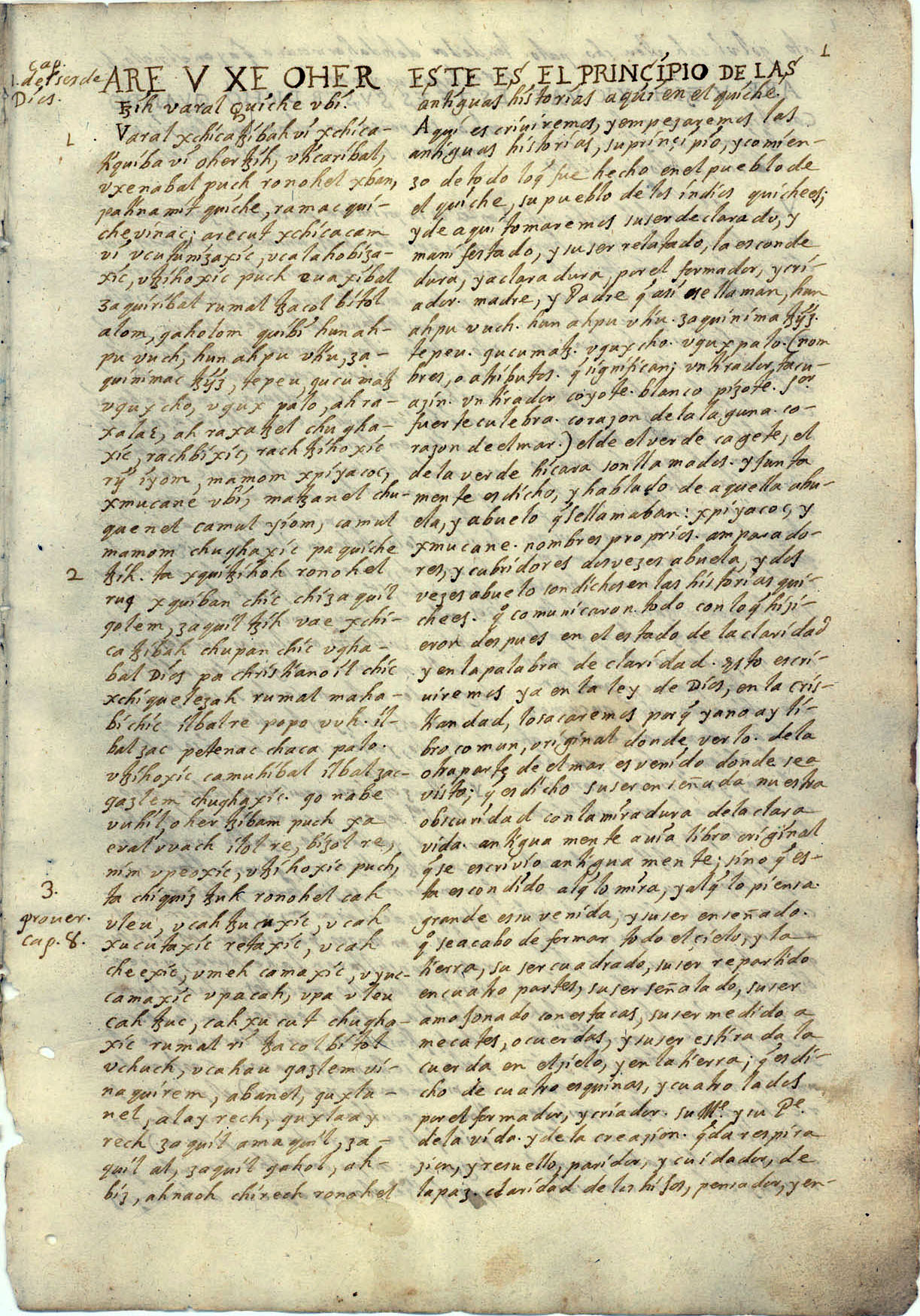



Contents and structure
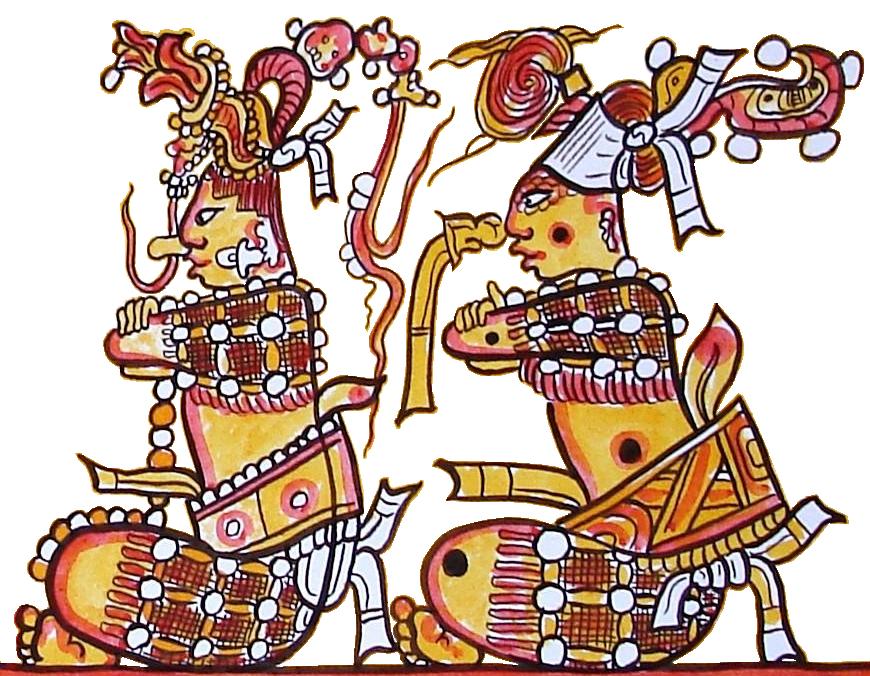
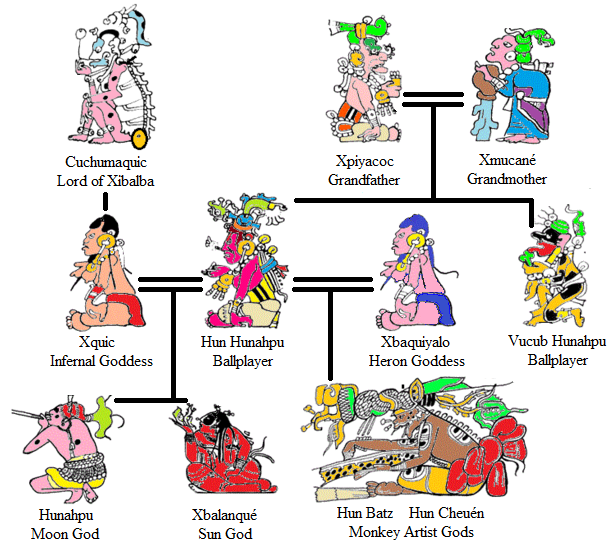
The work opens with a creation sequence that recounts several attempts by supernatural beings to fashion human beings before a lasting creation is achieved. This is followed by the dramatic adventures of the Hero Twins, Hunahpu and Xbalanque, whose descent into and triumph over the underworld are a major mythic theme. Later sections contain a detailed genealogy and origin stories for the K'iche' ruling line and foundation narratives for their towns and institutions. For an accessible guide to the genealogical portions see genealogy.
Key components of the text include:
- Creation episodes and origin myths (creation myth).
- The Hero Twins' trials and the cosmological defeats of Xibalba's lords.
- Mythic histories and the lineage of K'iche' rulers tied to place and ritual.
Language, transmission and surviving manuscript
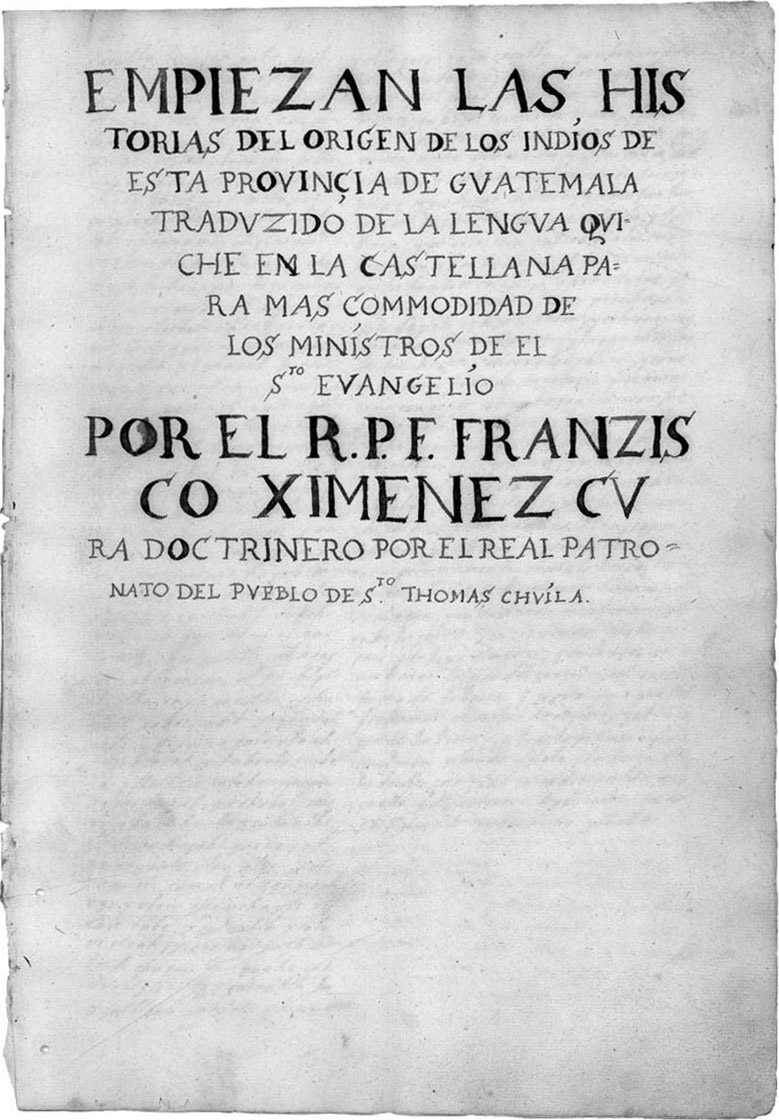
Although the Popol Vuh preserves pre-Columbian stories and themes, the form in which we know it was written using the Latin script after contact with Europeans. Scholars have long identified a transcription made and preserved by a colonial-era Dominican friar; this bilingual manuscript is an early 18th-century copy that survives and is kept in a collection today in Chicago location. Another useful reference to the manuscript's colonial context appears in discussions of the early copy 18th-century manuscript.
Historical background and scholarship
The Popol Vuh was recorded in a period when indigenous literate traditions were adapting to new writing systems and pressures from missionaries. Its mixture of myth, ritual, and history made it a primary source for later historians and anthropologists studying Maya religion and social organization. Modern editions and translations have been produced by several scholars and translators; their work has helped bring the narratives to broader audiences and shaped interpretations of pre-Columbian belief systems. Readers can consult general resources on the K'iche' realm in highland Guatemala highland Guatemala.
Significance and modern relevance
The Popol Vuh is often described as the single most important surviving text for understanding Maya mythology because it preserves elaborate cosmological ideas, ritual imagery and stories that resonate with material culture across Mesoamerica. Beyond academic study, the text functions as a cultural touchstone for many Maya people today: it informs contemporary ceremonies, literature, and identity politics. For comparative approaches and further reading on themes introduced in the Popol Vuh, consult general overviews of Mesoamerican myths genealogical and mythic links and specialized entries on creation narratives creation myth resources.
Notable distinctions and facts
- Popol Vuh blends cosmogony with political foundation myths, linking sacred story to rulership.
- While echoes of its tales appear in archaeological and iconographic data, the narrative survives chiefly in its post-contact transcription rather than as a pre-Columbian codex.
- Its preservation depended on manuscript transmission across centuries; critical studies often begin with the colonial copy now preserved in Chicago manuscript location and comparative accounts of its earlier forms archival copies.
The Popol Vuh continues to be translated, interpreted and reimagined, serving as both a primary source for the history of Maya religion and a living emblem of Maya cultural endurance. Interested readers can follow introductory resources and scholarly bibliographies to explore its literary complexity and historical significance regional studies and mythic comparisons.
Questions and answers
Q: What is the Popol Vuh?
A: The Popol Vuh is a book written in the Classical Quiché language that contains mythological stories and a genealogy of the rulers of the Post-Classic Quiché Maya kingdom of highland Guatemala.
Q: What kind of stories does the Popol Vuh contain?
A: The Popol Vuh contains mythological stories of two Hero Twins: Hunahpu and Xbalanque, as well as a creation myth.
Q: What is the significance of the Popol Vuh?
A: The significance of the Popol Vuh is enormous since it is one of a small number of early Mesoamerican mythological texts — it is often considered the single most important piece of Mesoamerican literature.
Q: What is the Latin alphabet used for in the Popol Vuh?
A: The Latin alphabet is used to write the Classical Quiché language in the Popol Vuh.
Q: Has the original manuscript of the Popol Vuh been found?
A: No, the original manuscript of the Popol Vuh, which was written around 1550, has been lost.
Q: Is there a copy of the Popol Vuh that still exists today?
A: Yes, a copy of another handwritten copy of the Popol Vuh from the early 18th century exists today in Chicago.
Q: Was the Popol Vuh based on an original Maya codex?
A: It is thought that the Popol Vuh was based on an original Maya codex.
Related articles
Author
AlegsaOnline.com Popol Vuh: The K'iche' Maya Book of Counsel and Creation Leandro Alegsa
URL: https://en.alegsaonline.com/art/78114