
Portal 2: Valve's puzzle-driven sequel combining single‑player story and co‑op robotics
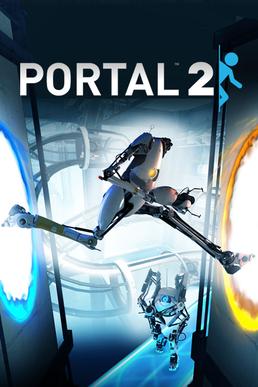
Portal 2 is Valve Corporation's acclaimed puzzle-focused first‑person video game sequel, expanding the original with new mechanics, an extended narrative, and a cooperative campaign featuring robotic protagonists.
Overview
Portal 2 is a critically well‑received first‑person shooter that emphasizes environmental puzzles over traditional combat. Developed and published by Valve Corporation, it continues the conceptual and narrative arc begun in the original Portal. The title keeps the core portal‑based mechanics while expanding story, level design, voice acting, and tone to reach a broader single‑player and multiplayer audience.
Image gallery
10 Images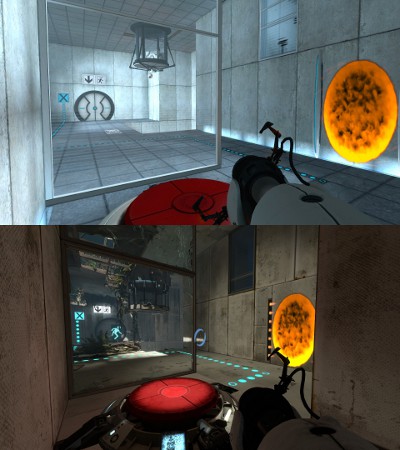


Gameplay and features
The central gameplay revolves around creating linked portals on suitable surfaces to move the player and objects, solve spatial puzzles, and manipulate momentum. Portal 2 introduces new mechanics and devices that deepen puzzle complexity, and it offers both a structured single‑player campaign and a separate co‑op campaign designed for two players.
- Single‑player: an expanded narrative, new test chambers, and several puzzle elements that build on the original game's foundation.
- Co‑op: two players control custom robots created within the game's fiction, requiring coordinated actions that emphasize communication and timing.
- Tools and hazards: additional field elements such as excursion funnels, gels, and other interactive objects broaden puzzle possibilities.
Story and characters
Portal 2 develops the setting of Aperture Science and expands the cast beyond the silent protagonist of the first game. The facility's enigmatic artificial intelligence plays a prominent role, and the sequel adds supporting characters and backstory that explore the company's history and the origins of its technology. The co‑op mode frames its puzzles as experiments run by that same intelligence, providing a different narrative perspective.
Development and release
As the official sequel, Portal 2 was created to preserve what players enjoyed in the original while introducing fresh ideas and greater scope. Development emphasized playtesting to balance puzzle difficulty and to ensure that new mechanics were intuitive. Upon release, the game was made available across several platforms and later supported by community content and level editors.
Reception, importance, and legacy
Portal 2 was praised for its inventive puzzles, darkly humorous writing, and polished design. Critics and players noted how the cooperative campaign offered a distinct experience from the single‑player story, encouraging social problem solving. The game's tools and approach influenced subsequent puzzle design and remain a reference point for how narrative and mechanics can be tightly integrated in interactive entertainment.
Notable distinctions
Unlike many titles marketed as shooters, Portal 2 centers on thought‑based challenges rather than direct combat. Its co‑op mode features two autonomous test subjects (robots) rather than human characters, which allows the game to present puzzles that require simultaneous, interdependent actions. For more detailed information on mechanics, community resources, or purchasing options, see related entries and guides via the following links: genre overview, puzzle mechanics, game page, developer, sequel context, original game, co‑op details, robot characters.
Related articles
Author
AlegsaOnline.com Portal 2: Valve's puzzle-driven sequel combining single‑player story and co‑op robotics Leandro Alegsa
URL: https://en.alegsaonline.com/art/78254
Sources
- steamforlinux.com : steamforlinux.com/?q=en/node/387
- esrb.org : "Official ESRB Rating"
- classification.gov.au : "Official OFLCA Rating"
- store.steampowered.com : "Steam, The Ultimate Online Game Platform"