
Pope Telesphorus — Early Bishop of Rome and Christian traditions
Overview of Pope Telesphorus (c.125–136), his origins, disputed liturgical contributions (Midnight Mass, Lent, Easter observance), reported martyrdom, and later veneration.
Overview
Pope Telesphorus served as Bishop of Rome in the early second century (commonly dated c. 125–136 C.E.). He is listed among the early successors to Saint Peter and appears in traditional episcopal catalogues as a Roman bishop during a formative period for Christian worship and identity. Modern accounts stress that many details of his life come from later writings and church tradition rather than contemporary records. For a general reference to his office see Bishop of Rome and the broader context of the early church at Catholic Church.
Image gallery
3 Images

Origins and early life
Later sources describe Telesphorus as of Greek background and connect his birth to the region of Calabria in southern Italy. These traditions link him culturally to the Hellenic-speaking Christian communities of the Mediterranean; a typical reference to his origin is found in local dedications such as a parish church that honors him today (Calabria, Greek). Precise biographical details—family, education, and early ministry—are sparse and mostly preserved in later ecclesiastical compilations rather than contemporary documentary evidence.
Papacy and liturgical associations
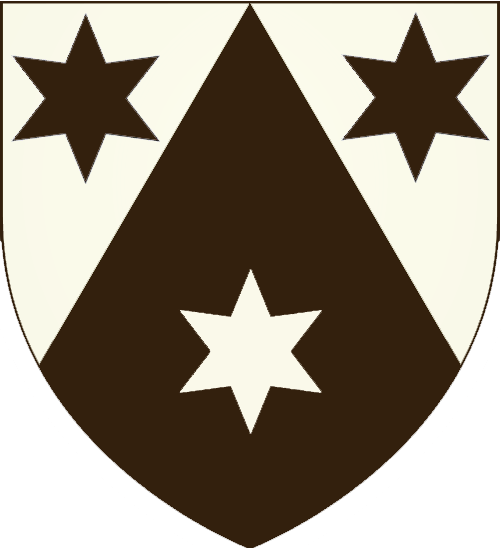
Telesphorus is traditionally credited with several liturgical customs. Medieval and later writers ascribe to him the celebration of a Christmas midnight Mass and an early form of the Lenten preparatory season. These attributions are treated cautiously by historians: they reflect how later communities projected liturgical developments back onto early leaders. The Carmelite Order, which emerged much later, also venerates Telesphorus and preserves a memory of his connection with hermit communities in Palestine (Mount Carmel); this link is devotional and part of later monastic tradition rather than contemporary evidence.
Easter observance and the Quartodeciman context
One recurrent claim about Telesphorus is that he celebrated Easter on Sunday rather than following a Passover-timed observance, aligning with the practice that became normative in most of the western and many eastern churches. This issue sits within the larger Quartodeciman controversy in which different Christian communities marked Easter according to different calendars and local customs. References to his role on this matter appear in later lists of bishops and in summaries of early controversies: see discussions about the practice (Easter) versus celebrating on the Jewish Passover (Passover).
Martyrdom, sainthood, and veneration
Tradition holds that Telesphorus suffered martyrdom during the reign of the Roman emperor Antoninus Pius, a claim that appears in ancient martyrologies and the Liber Pontificalis. Because contemporary documentation is lacking, modern scholars describe this as a long-standing ecclesiastical tradition of his death (martyrdom) rather than a fact established by primary evidence. He is commemorated as a saint in a number of Christian calendars and martyrologies (Saint), and devotional observances associated with him occur on various dates in different rites. Some sources list feast dates such as January 5 and a few local commemorations on other days; these variations reflect divergent liturgical calendars and later developments.
Legacy and notable facts
Telesphorus is remembered primarily through later ecclesiastical tradition rather than contemporary records. He is included in episcopal lists that shaped the early church's sense of apostolic succession and was invoked by later communities to anchor emerging liturgical customs, such as the Sunday celebration of Easter (Lent, Antoninus Pius). Local churches and monastic orders continued to venerate him; for example, there is at least one parish dedicated in his name today (parish church). For summaries and further reading consult traditional catalogues and modern studies of early papal lists (Greek heritage, Christian tradition).
- Approximate papacy: c. 125–136 C.E.
- Traditional origin: Calabria, of Greek family.
- Associated traditions: Sunday Easter observance, later attributions of Midnight Mass and Lenten practice.
- Veneration: regarded as a saint, commemorated on various dates in different local calendars.
Questions and answers
Q: Who was Pope Telesphorus?
A: Pope Telesphorus was the seventh Pope of the Catholic Church, officially known as Bishop of Rome from approximately 125-136 C.E.
Q: Where was he born?
A: He was born in Calabria to Greek parents.
Q: What is his connection to the Carmelite Order of Monks?
A: Earlier in his life he worked with the hermits of Mount Carmel in Palestine and is still remembered in the Carmelite Order of Monks.
Q: Is it true that he introduced the custom of Midnight Mass at Christmas?
A: This is disputed, but it is credited that he introduced this custom for Christmas and for a period of reflection during Lent.
Q: How did his celebration of Easter differ from other early Catholics?
A: He celebrated Easter on Sundays whereas many early Catholics were observing the Jewish custom and celebrating it on Passover.
Q: Was there any evidence confirming his martyrdom under Roman Emperor Antoninus Pius?
A: Yes, there is evidence confirming his martyrdom under Roman Emperor Antoninus Pius.
Q: Was Pope Telesphorus made a Saint by the Catholic Church?
A: Yes, he was made a Saint by the Catholic Church.
Related articles
Author
AlegsaOnline.com Pope Telesphorus — Early Bishop of Rome and Christian traditions Leandro Alegsa
URL: https://en.alegsaonline.com/art/78091