
Pope Urban I (c. 222–230) — Bishop of Rome and early Christian saint
Pope Urban I led the Christian community in Rome around 222–230 CE. Little contemporary record survives; he is venerated as a saint and is buried in the Catacombs of Callixtus on the Appian Way.
Overview
Pope Urban I served as the seventeenth Bishop of Rome in the early third century, traditionally dated c. 222–230 CE. His tenure falls within the reign of the Roman emperor Alexander Severus, a period often described as relatively tolerant toward Christians. Urban I is commemorated as a saint in later Christian calendars and his feast day is observed on May 25.
Image gallery
3 Images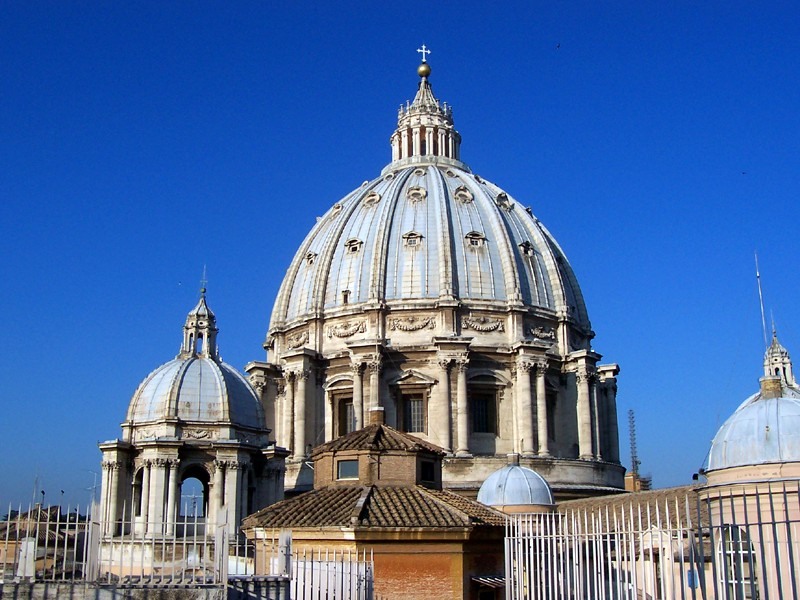


Historical context
The first half of the third century was a formative era for Christian communities in the Roman Empire. Although more detailed records survive for some later pontificates, documentation for Urban I is sparse. The broader environment under Alexander Severus allowed Roman Christians a respite from the more systematic persecutions of other decades, which likely contributed to the absence of notable martyrdom narratives or conflict attached to Urban's name.
Reign and recorded activities
Contemporary sources offer very little about Urban I's actions or decisions. Later compilations of papal biographies, such as the Liber Pontificalis, preserve brief notices about many early bishops of Rome, but these accounts were written centuries after the events and often mix fact with tradition. Archaeological evidence confirms his burial place in the cemetery of Callixtus on the Appian Way, a prominent Christian burial ground near Rome.
Legacy and veneration
Urban I's importance rests largely on his place in the continuous line of bishops of Rome. The institutional role of the pontiff grew slowly during this period; even when individual pontificates are poorly documented, their succession contributes to the historical identity of the Catholic Church. Urban's recognition as a saint reflects later ecclesiastical practice of honoring early bishops whose lives were linked to the founding age of the Roman church.
Notable facts and sources
- Dates of pontificate: commonly given as c. 222–230 CE, though exact years are not securely documented.
- Burial: interred in the Catacombs of Callixtus along the Appian Way—a major Christian necropolis of the period.
- Feast day: May 25 in traditional Roman calendars.
- Documentation: knowledge of Urban I depends on later church writings and archaeological finds rather than contemporary narratives.
Because of the limited primary material, many specific claims about Urban I (for example, particular administrative reforms or building projects) remain speculative and are treated cautiously by historians. His lasting significance derives from his role in the unbroken succession of early bishops of Rome and from the place he holds in liturgical memory.
Questions and answers
Q: Who was Pope Urban I?
A: Pope Urban I was the seventeenth Pope and the Bishop of Rome of the Catholic Church from 222-230 C.E.
Q: What was the main achievement of Pope Urban I during his reign?
A: There is not much known about Pope Urban I's reign, but it was a peaceful one.
Q: During which imperial reign did Pope Urban I serve as head of the Catholic Church?
A: Pope Urban I served as head of the Catholic church during the imperial reign of Alexander Severus.
Q: Where is Pope Urban I buried?
A: Pope Urban I is buried in the cemetery at Callistus on the Appian Way.
Q: Is Pope Urban I considered a saint in the Catholic Church?
A: Yes, Pope Urban I is considered a saint of the Catholic Church.
Q: When is Pope Urban I's feast day celebrated?
A: Pope Urban I's feast day is celebrated on May 25.
Q: How long did Pope Urban I serve as the Bishop of Rome?
A: Pope Urban I served as the Bishop of Rome from 222-230 C.E., for a total of eight years.
Related articles
Author
AlegsaOnline.com Pope Urban I (c. 222–230) — Bishop of Rome and early Christian saint Leandro Alegsa
URL: https://en.alegsaonline.com/art/78092
Sources
- catholic.org : catholic.org/encyclopedia/view.php?id=11827
- newadvent.org : "List of Popes"