
Pope Leo III — Life, Papacy, and the Coronation of Charlemagne
Pope from 795 to 816, Leo III is best known for crowning Charlemagne emperor in 800 and for securing papal authority through an alliance with the Frankish kingdom.
Overview
Leo III governed the Roman Church from 795 until his death on June 12, 816. He is most widely remembered for presiding over the Christmas Day coronation of Charlemagne, an event that shaped relations between the papacy and western rulers and influenced medieval ideas about imperial authority.
Image gallery
5 Images


Background and election
Details of Leo's early life are limited; he appears to have been of Roman background and rose through clerical ranks in the late eighth century. He was chosen as Pope at a moment of political instability in Italy, where the papacy navigated competing pressures from the Lombards, the Byzantine Empire, and the rising Frankish power under Charlemagne.
Attack, refuge, and political alignment
Shortly after his election, Leo survived a violent episode in Rome in which members of the local nobility assaulted him and attempted to remove him from office. He sought protection at the Frankish court, and his reliance on Frankish support deepened the bond between pope and king. This alliance provided Leo with the military and political backing needed to restore his position in Rome.
The 800 coronation and its effects
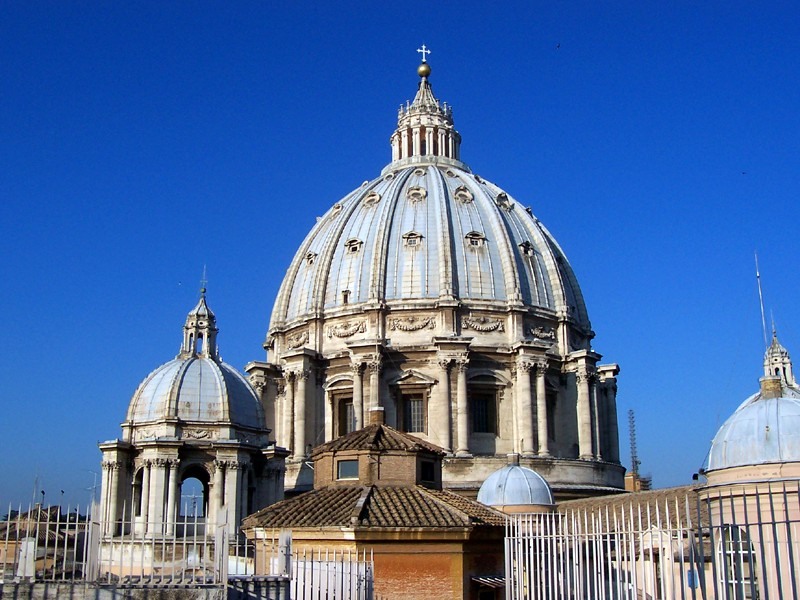
On December 25, 800, during Mass at St. Peter's Basilica, Leo placed a crown on Charlemagne's head and declared him emperor. The act carried immediate symbolic weight: it revived the notion of a western Roman imperial dignity and implied that the papacy could confer legitimacy on secular rulers. Historians debate whether Charlemagne sought the crown or accepted it by surprise, but the coronation clearly altered the balance of power in western Christendom and complicated relations with Byzantium.
Administration and legacy
Leo's papacy combined spiritual duties with pragmatic politics. He convened councils to defend his authority and addressed clerical discipline and governance in the city of Rome. While he did not found lasting legal codes, his agreements with the Frankish monarchy strengthened the institutional ties that later medieval popes and emperors would build upon. Leo died in 816, leaving a mixed legacy as both a shepherd of the church and an astute political actor.
Notable facts
- Leo's coronation of Charlemagne is often seen as a turning point for the medieval idea of a Christian empire.
- His dependence on Frankish protection set a precedent for later papal reliance on secular rulers.
- Debate continues among scholars about the motivations and consent surrounding the 800 coronation.
For further reading on Leo III's life and context, consult modern histories of the early medieval papacy and studies of the Carolingian period. Primary and secondary sources explore how a single ceremonial act helped reshape western political and religious institutions.
Death and dates | Papal records | Coronation accounts | Charlemagne studies | Imperial title
Related articles
Author
AlegsaOnline.com Pope Leo III — Life, Papacy, and the Coronation of Charlemagne Leandro Alegsa
URL: https://en.alegsaonline.com/art/78081