
Polynesian rat (Rattus exulans): overview, spread, and island impacts
Small Pacific rat known as kiore in Māori; native to Southeast Asia and spread across the Pacific by human voyagers, with important ecological, archaeological and cultural roles on island ecosystems.
The Polynesian rat (Rattus exulans), commonly called the Pacific rat and known to Māori as kiore, is one of the world’s most widely distributed rats after the brown and black rats. It is typically smaller and more lightly built than its larger relatives. Its presence across many Pacific islands reflects a close association with human movement and settlement.
Image gallery
4 Images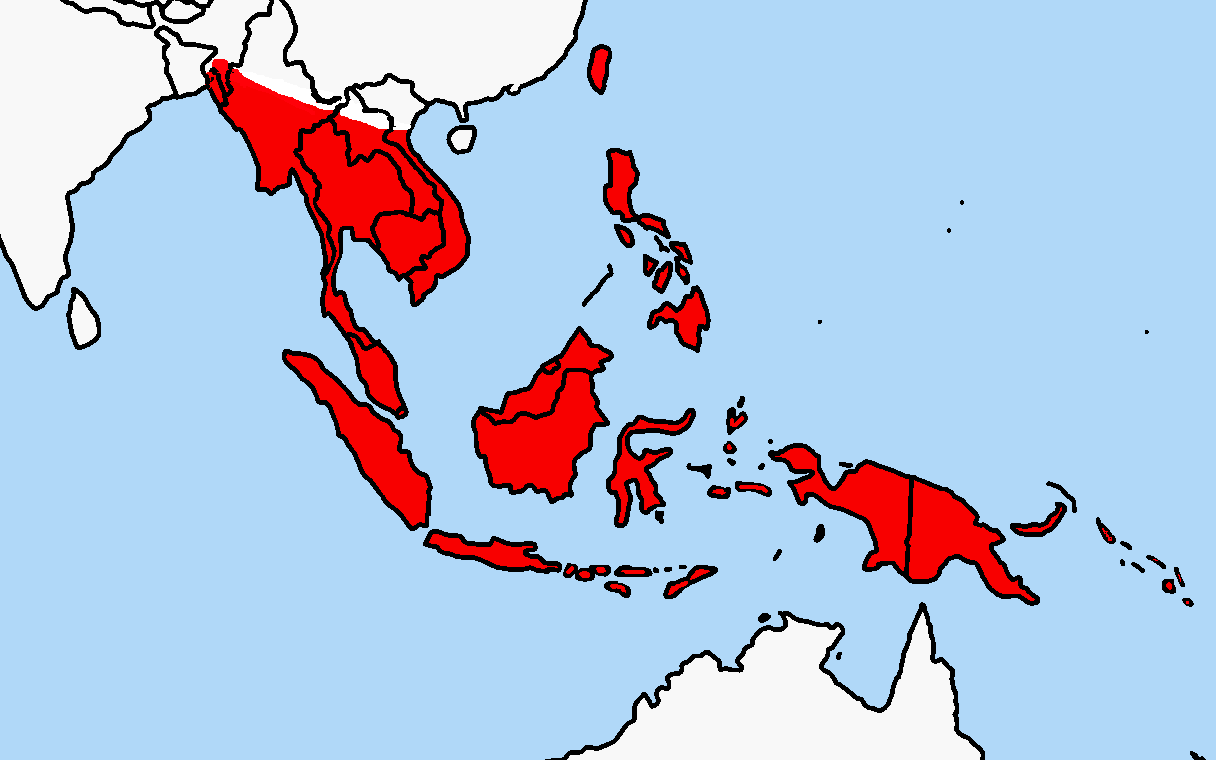


Characteristics
Rattus exulans is generally slender, with a tail often as long as or longer than the body. Fur coloration ranges from grey to brown. It is omnivorous and flexible in its habits, feeding on seeds, fruits, invertebrates, bird eggs and occasional human food stores. It is primarily nocturnal and an able climber, which allows it to exploit both ground and arboreal food sources.
- Size and build: smaller than black (R. rattus) and brown (R. norvegicus) rats.
- Diet: broad omnivore; eats plant and animal matter.
- Behavior: nocturnal, agile climber, nests in sheltered sites.
Distribution and human-assisted spread
Originating in mainland Southeast Asia, the Polynesian rat travelled widely with Austronesian and Polynesian voyagers as they colonized the Pacific islands during the period of human expansion across Oceania. It established populations on thousands of islands, including areas where it arrived with early settlers, such as Māori lands. Historical and modern records note its occurrence in places like New Zealand, Fiji and Hawaii.
Ecological and cultural significance
On isolated islands, the Polynesian rat can have outsized ecological effects. Predation on bird eggs and hatchlings, consumption of native seeds and invertebrates, and competition with native fauna have contributed to declines in vulnerable species. Conversely, remains of the rat are useful in archaeology: rat bones and gnawed seeds appear in ancient deposits and help trace routes and timing of human colonization. In some cultures the species also has symbolic or practical roles; for example, kiore occupy a place in traditional Māori stories and were once hunted for food.
Management, differences, and notable facts
Conservationists often target Polynesian rats in island restoration work because removing invasive rodents can allow native species to recover. Management techniques include trapping, baiting and carefully planned eradication campaigns on restricted islands. Distinguishing R. exulans from other commensal rats is important for control planning: it is typically smaller, with proportionally longer tail and different ecological habits than the black and brown rats.
Because of its close historical tie to people, the Polynesian rat remains both an ecological problem and a source of information about human history in the Pacific. Studies of its spread, genetics and impacts continue to inform conservation and cultural heritage work across Oceania.
Related articles
Author
AlegsaOnline.com Polynesian rat (Rattus exulans): overview, spread, and island impacts Leandro Alegsa
URL: https://en.alegsaonline.com/art/77869